
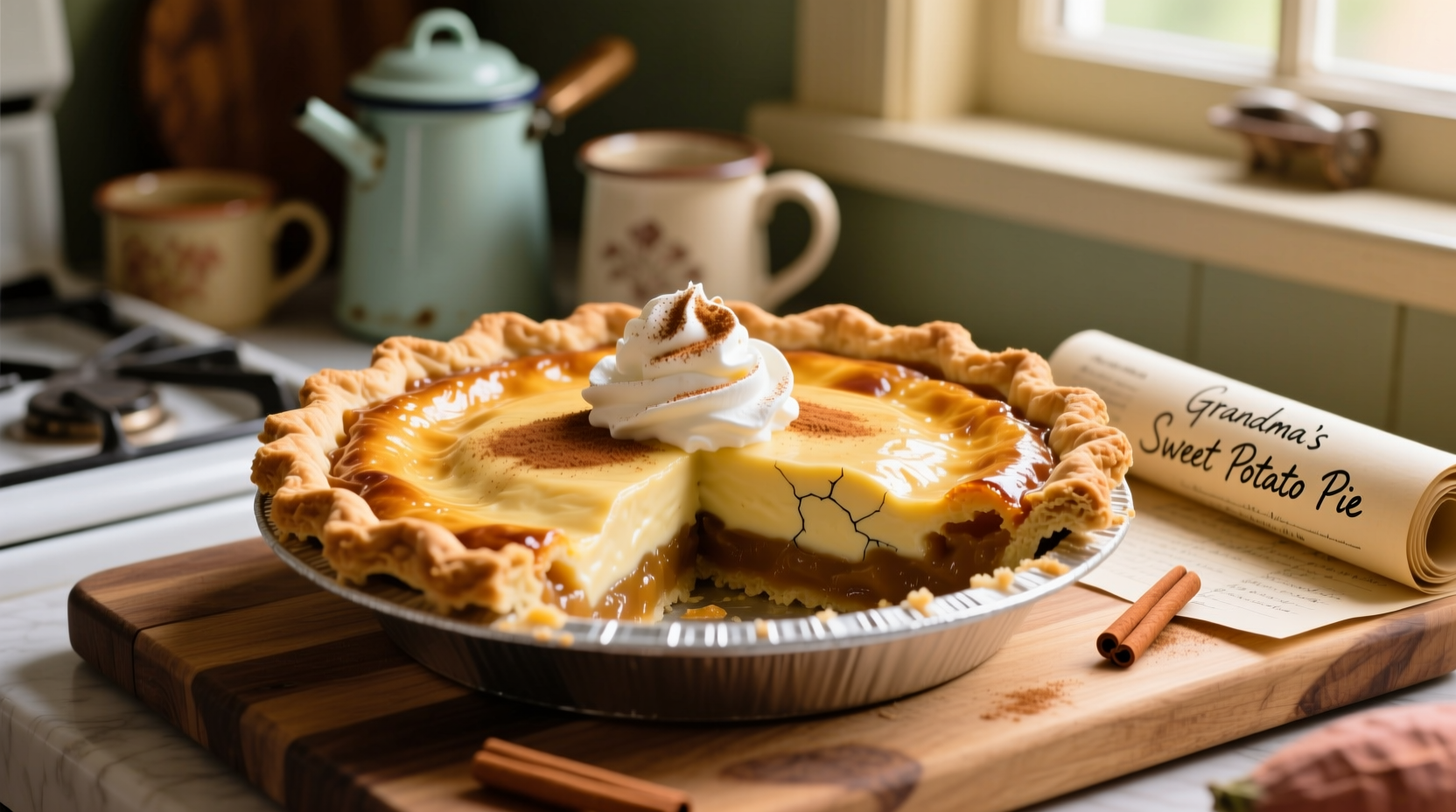
Discover authentic sweet potato pie recipes that deliver perfect texture and flavor balance every time. This guide features tested techniques for creamy filling, flaky crust, and spice combinations that honor the dish's cultural heritage while accommodating modern dietary needs. You'll learn why certain sweet potato varieties work best, how to avoid common texture pitfalls, and variations for gluten-free, vegan, and nut-free diets without sacrificing traditional flavor.
Nothing says comfort like a perfectly baked sweet potato pie with its velvety filling and golden crust. This beloved Southern classic has evolved from humble plantation kitchens to modern holiday tables, adapting to regional preferences while maintaining its essential character. Whether you're a first-time baker or looking to refine your technique, understanding the science behind the ingredients transforms good pies into exceptional ones.
Why Sweet Potato Variety Matters
The foundation of great sweet potato pie starts with selecting the right tubers. Contrary to popular belief, not all sweet potatoes work equally well in pies. The orange-fleshed varieties like Beauregard and Covington contain higher sugar content and beta-carotene, creating that signature vibrant color and rich flavor profile essential for traditional recipes.
| Sweet Potato Type | Best For Pie? | Flavor Profile | Texture Result |
|---|---|---|---|
| Beauregard (orange) | ✓ Ideal | Sweet, caramel notes | Creamy, smooth |
| Covington (orange) | ✓ Excellent | Balanced sweetness | Firm yet creamy |
| Japanese (purple) | △ Limited use | Nutty, earthy | Dense, grainy |
| Garnet (red skin) | ✓ Good | Robust sweetness | Slightly fibrous |
According to USDA agricultural research, orange-fleshed sweet potatoes contain up to 400% more beta-carotene than white varieties, directly impacting both color vibrancy and nutritional value in your pie. The starch-to-sugar ratio in these varieties creates the ideal texture when cooked properly.
Mastering the Classic Recipe
Traditional sweet potato pie relies on precise ingredient ratios and technique. The perfect balance comes from understanding how each component contributes to the final product:
- Sweet potato puree: Must be smooth with no lumps (1½ cups)
- Unsalted butter: Provides richness without overpowering (½ cup)
- Freshly grated nutmeg: Essential for authentic flavor (¼ tsp)
- Pure vanilla extract: Enhances sweetness perception (1 tsp)
- Eggs: Bind ingredients while adding structure (2 large)
Avoid the common mistake of adding too much liquid. The sweet potatoes naturally release moisture during baking, so additional milk or cream often leads to a soggy filling. Professional bakers recommend roasting sweet potatoes rather than boiling to concentrate flavors and reduce excess water content.
Step-by-Step Baking Process
Follow this professional technique for flawless results:
- Roast sweet potatoes at 400°F until fork-tender (45-60 minutes)
- Cool completely before scooping flesh from skin
- Pass through food mill for ultra-smooth texture
- Whip puree with butter until fully incorporated
- Add eggs one at a time, mixing just until combined
- Pour into pre-baked 9-inch pie crust
- Bake at 350°F for 50-60 minutes until center sets
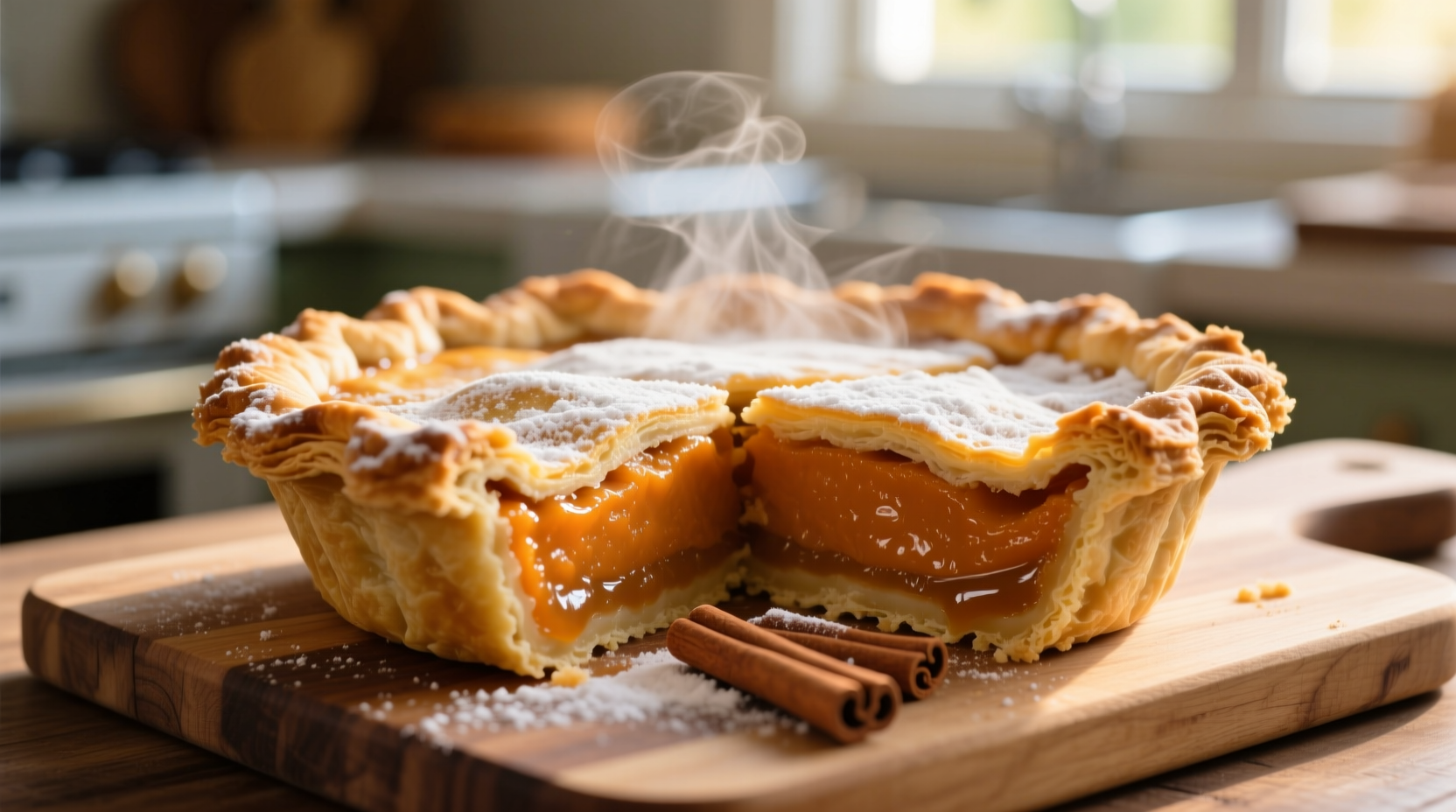
The critical moment comes when checking for doneness. Insert a knife near the center - it should come out mostly clean with slight moist residue. Overbaking causes cracking, while underbaking results in a runny filling. The pie continues to set as it cools.
Modern Variations for Dietary Needs
Traditional recipes can be adapted without sacrificing flavor. These tested modifications maintain the pie's essential character while accommodating different dietary requirements:
Vegan Sweet Potato Pie
Replace eggs with ¼ cup cornstarch slurry (2 tbsp cornstarch + 6 tbsp water) and use coconut oil instead of butter. Add 1 tsp apple cider vinegar to enhance flavor complexity. The cornstarch provides necessary binding while creating a similar custard texture.
Gluten-Free Crust Option
Mix 1¼ cups gluten-free flour blend with ½ tsp xanthan gum, ½ cup cold butter, and 3-4 tbsp ice water. The xanthan gum replicates gluten's binding properties, preventing crumbly texture. Chill dough for 30 minutes before rolling.
Avoiding Common Pitfalls
Even experienced bakers encounter issues with sweet potato pie. Understanding these problems helps prevent disappointment:
- Cracking surface: Usually from overbaking or rapid temperature changes. Let pie cool gradually in turned-off oven with door ajar.
- Soggy bottom crust: Always pre-bake crust for 10-15 minutes before adding filling. Use pie weights or dried beans during blind baking.
- Watery filling: Results from insufficiently cooked sweet potatoes or excess liquid. Roasting instead of boiling reduces moisture content significantly.
- Dense texture: Overmixing incorporates too much air. Mix ingredients just until combined.
Serving and Storage Guidelines
Sweet potato pie tastes best when allowed to rest for at least 4 hours after baking, letting flavors meld and texture set properly. For optimal flavor development, refrigerate overnight before serving.
Store leftovers covered in the refrigerator for up to 4 days. Freezing whole pies works well - wrap tightly in plastic wrap and aluminum foil. Thaw in refrigerator before serving. According to FDA food safety guidelines, cooked pies containing eggs should not remain at room temperature for more than 2 hours.
Historical Evolution of Sweet Potato Pie
Sweet potato pie's journey reflects America's culinary history. Originating in colonial times when sweet potatoes were more readily available than wheat in Southern plantations, the dish evolved from necessity to tradition. By the 19th century, it appeared in prominent cookbooks like What Mrs. Fisher Knows About Old Southern Cooking (1881), one of the earliest African American-authored cookbooks.
The pie gained national prominence during the Great Depression when sweet potatoes provided affordable nutrition. Modern variations emerged in the late 20th century as dietary preferences diversified. This evolution demonstrates how traditional recipes adapt while maintaining cultural significance across generations.
Frequently Asked Questions
Here are answers to common sweet potato pie questions based on professional baking experience and culinary research:




 浙公网安备
33010002000092号
浙公网安备
33010002000092号 浙B2-20120091-4