
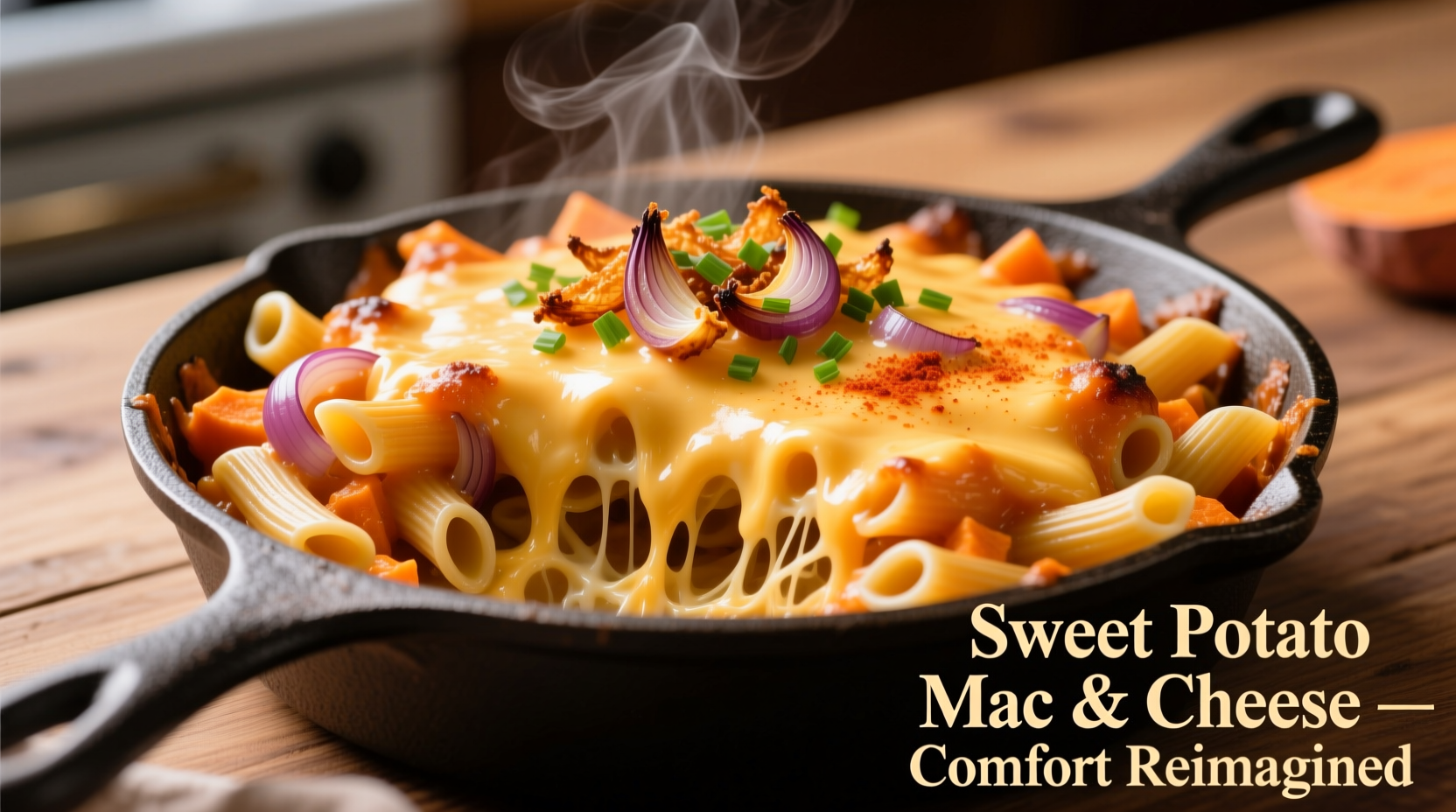
Why Sweet Potato Mac Cheese Deserves a Spot in Your Recipe Rotation
If you've ever wondered whether sweet potato mac and cheese lives up to the hype, the answer is a resounding yes—when prepared correctly. The secret lies in how sweet potatoes transform the classic dish: their natural starches create an exceptionally smooth sauce while adding nutritional value without compromising that beloved cheesy comfort. Unlike traditional macaroni and cheese that relies heavily on dairy for creaminess, sweet potato mac cheese achieves its luxurious texture through vegetable power alone.
Professional chefs have embraced this variation for good reason. As Antonio Rodriguez explains, "The starch structure in sweet potatoes emulsifies beautifully with cheese, creating a more stable sauce that resists breaking. This isn't just a healthy substitution—it's a culinary upgrade that enhances both texture and flavor complexity."
The Science Behind the Creaminess
Sweet potatoes contain pectin and starches that, when properly cooked, create a naturally creamy base that binds perfectly with cheese. This eliminates the need for roux or excessive dairy while preventing the grainy texture that sometimes plagues traditional cheese sauces.
| Nutritional Component | Traditional Mac Cheese (per serving) | Sweet Potato Mac Cheese (per serving) |
|---|---|---|
| Calories | 450 | 380 |
| Total Fat | 25g | 15g |
| Vitamin A | 10% DV | 438% DV |
| Vitamin C | 2% DV | 50% DV |
| Fiber | 2g | 5g |
Nutritional data based on USDA FoodData Central analysis of standard recipes (2023)
Choosing Your Sweet Potato: The Critical First Step
Not all sweet potatoes work equally well in mac and cheese. The orange-fleshed varieties like Jewel or Garnet contain the perfect balance of moisture and starch for creamy results. Avoid white-fleshed sweet potatoes (often called yams), which lack sufficient starch for proper emulsification.
"The moisture content makes all the difference," notes Rodriguez. "Jewel sweet potatoes have about 75% water content—ideal for creating steam during roasting that concentrates their natural sugars without making the sauce watery."
Step-by-Step Preparation: Roasting vs Boiling
While many recipes call for boiling sweet potatoes, roasting delivers superior flavor through caramelization. Here's why professional kitchens prefer roasting:
- Enhanced flavor: Roasting at 400°F (200°C) for 45 minutes develops complex caramel notes
- Better texture: Evaporates excess moisture that would dilute your cheese sauce
- Easier processing: Roasted sweet potatoes puree more smoothly than boiled
For best results, pierce sweet potatoes with a fork, roast directly on the oven rack for 45-55 minutes until tender, then scoop out flesh. Reserve ¼ cup of any liquid released during roasting to adjust sauce consistency if needed.
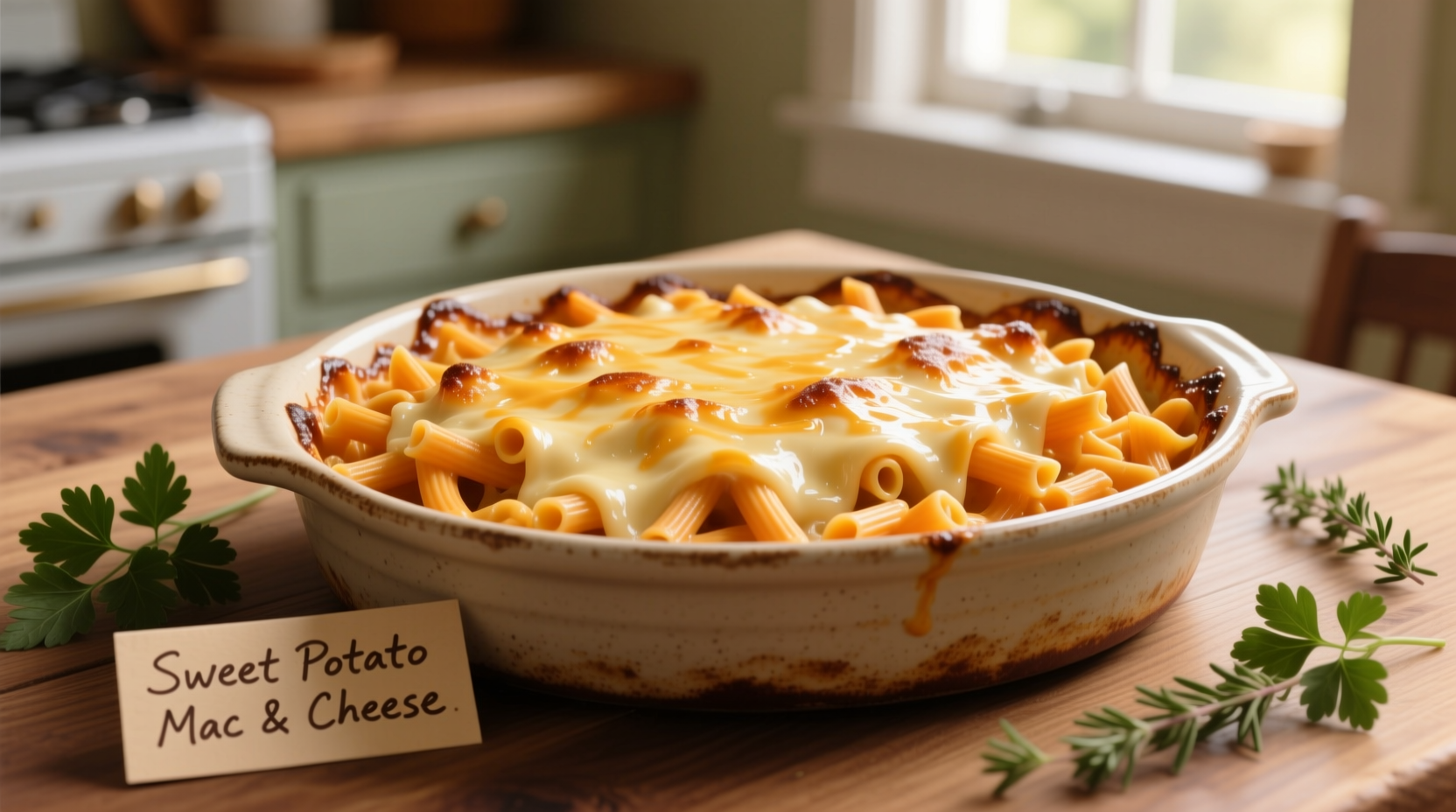
Cheese Selection: Creating Perfect Harmony
The cheese blend makes or breaks sweet potato mac cheese. Avoid overwhelming the subtle sweetness with overly sharp cheeses. Instead, use this professional ratio:
- 50% mild melting cheese: Fontina or Monterey Jack for creaminess
- 30% flavorful cheese: Gruyère or Comté for depth without sharpness
- 20% tangy accent: A small amount of aged cheddar (no more than 20%)
"The sweet potato's natural sugars interact with cheese compounds differently than dairy-based sauces," explains Rodriguez. "This blend creates balance where the sweetness enhances rather than competes with the cheese flavor."
Common Pitfalls and How to Avoid Them
Sweet potato mac cheese can go wrong in specific, preventable ways. Understanding these context boundaries ensures success:
- Watery sauce: Caused by undercooked sweet potatoes or excessive liquid—always roast rather than boil
- Grainy texture: Results from adding cheese to too-hot puree—cool sweet potato base to 160°F (70°C) first
- Overpowering sweetness: Using too much sweet potato or wrong variety—stick to 1.5 cups puree per pound of pasta
- Dry finished dish: Not reserving pasta water—keep 1 cup starchy water to adjust consistency
Variations for Every Occasion
This versatile dish adapts beautifully to different needs:
Vegan Sweet Potato Mac
Substitute nutritional yeast (¼ cup) plus white miso (1 tbsp) for cheese, using cashew cream instead of dairy. Add ½ tsp smoked paprika to mimic cheese complexity.
Holiday Comfort Food
For Thanksgiving or Christmas, fold in ¼ cup caramelized onions and top with toasted pecans before baking. The sweet-savory combination complements holiday flavors perfectly.
Meal Prep Friendly Version
Prepare components separately: roast sweet potatoes, cook pasta al dente, and make cheese sauce. Combine and bake within 24 hours for best texture. Stores well refrigerated for up to 3 days or frozen for one month.
Serving and Storage Guidelines
For optimal texture, let sweet potato mac cheese rest 10 minutes after baking before serving. This allows the sauce to set slightly. Pair with a simple green salad or roasted Brussels sprouts to balance the richness.
Leftovers maintain quality better than traditional mac and cheese due to the vegetable base. Reheat gently with a splash of milk or reserved pasta water to restore creaminess. Avoid microwaving on high power, which can make the sweet potato texture gummy.
Why This Recipe Works Where Others Fail
Most sweet potato mac cheese recipes miss the mark by treating it as a simple ingredient substitution rather than understanding the fundamental chemistry differences. The successful version respects how sweet potatoes interact with dairy:
- Sweet potatoes contain pectin that requires higher temperatures to properly dissolve
- Their natural sugars caramelize at different rates than dairy sugars
- Starch structure differs significantly from flour-based roux
By adjusting cooking techniques to accommodate these differences, you achieve a dish that's not just healthier, but actually superior in texture and flavor complexity to traditional mac and cheese.
Frequently Asked Questions
Can I make sweet potato mac cheese without roasting the potatoes?
Yes, but boiling yields inferior results. If you must boil, steam instead of submerging in water to prevent waterlogging. Reduce liquid by 30% in the final sauce and add 1 tsp cornstarch to compensate for less concentrated starches.
Why does my sweet potato mac cheese taste too sweet?
This usually happens when using the wrong sweet potato variety or adding sweeteners. Stick to orange-fleshed varieties like Jewel, avoid adding sugar or maple syrup, and balance with savory elements like mustard powder, garlic, or a touch of hot sauce.
How do I prevent graininess in the cheese sauce?
Graininess occurs when cheese proteins seize up from excessive heat. Always cool the sweet potato puree to 160°F (70°C) before adding cheese, shred cheese yourself (pre-shredded contains anti-caking agents), and add cheese gradually while stirring constantly over low heat.
Can I freeze sweet potato mac and cheese?
Yes, sweet potato mac cheese freezes better than traditional versions due to the vegetable base. Cool completely, portion into airtight containers with ½ inch headspace, and freeze for up to 3 months. Thaw overnight in refrigerator and reheat with a splash of milk to restore creaminess.
What pasta shape works best for sweet potato mac cheese?
Use short, textured pastas that hold sauce well: cavatappi, shells, or elbows. Avoid delicate shapes like angel hair. Cook pasta 2 minutes less than package directions since it will continue cooking in the oven. The starch released during cooking helps create the perfect sauce consistency.




 浙公网安备
33010002000092号
浙公网安备
33010002000092号 浙B2-20120091-4