
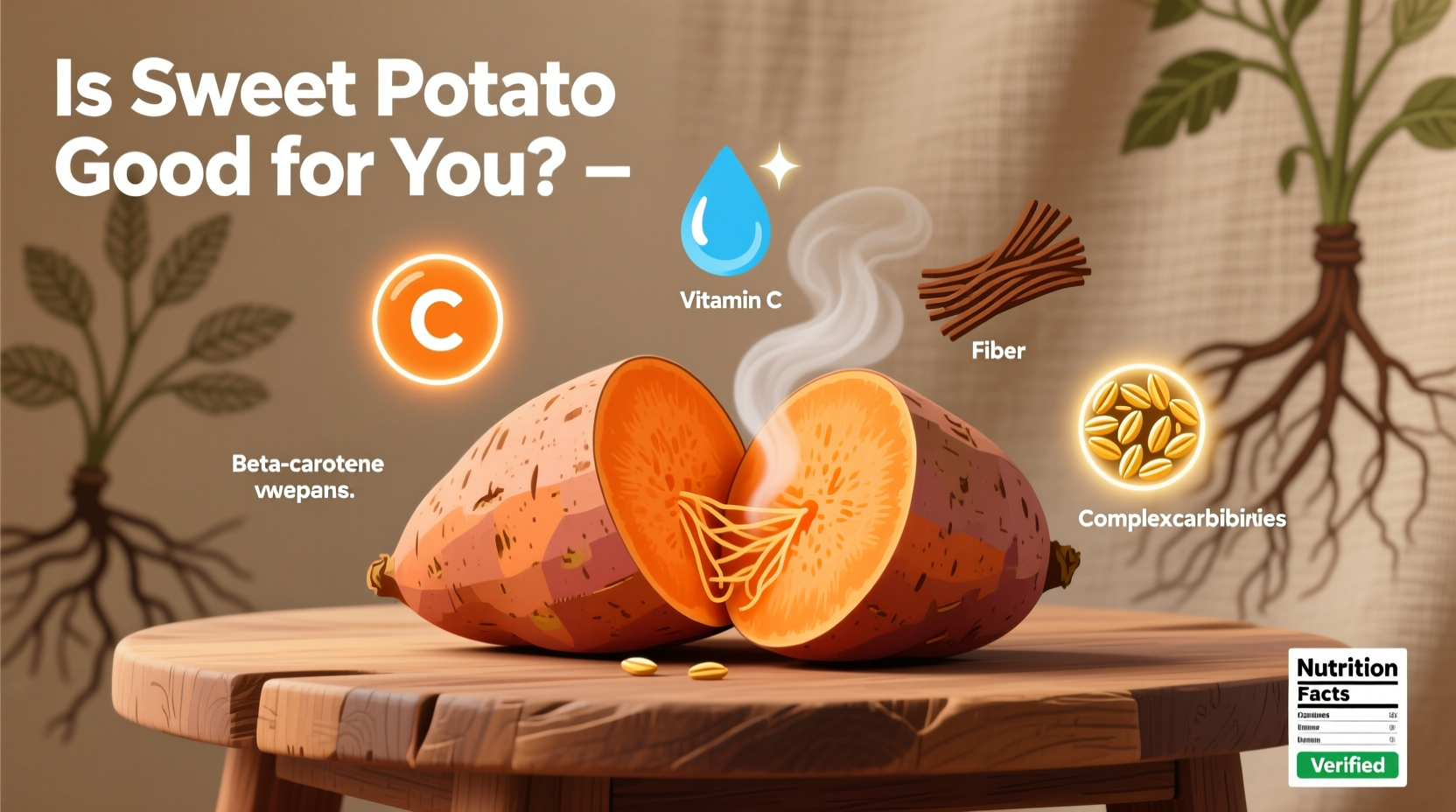
Yes, sweet potatoes are exceptionally good for you. Scientific evidence shows they provide abundant vitamin A (as beta-carotene), fiber, vitamin C, and potassium while supporting eye health, immune function, and blood sugar management when consumed as part of a balanced diet. One medium sweet potato delivers over 400% of your daily vitamin A needs with only 103 calories.
When you're considering whether sweet potatoes deserve a regular spot in your diet, the evidence is compelling. This vibrant root vegetable isn't just a tasty alternative to regular potatoes—it's a nutritional powerhouse backed by decades of research. Unlike fleeting diet trends, sweet potatoes have earned their place as a staple food across numerous cultures for good reason.
What Makes Sweet Potatoes Nutritionally Superior
Let's break down exactly what's inside this colorful vegetable. According to the USDA's FoodData Central database, a medium-sized baked sweet potato with skin (approximately 130g) contains:
| Nutrient | Amount per Serving | % Daily Value |
|---|---|---|
| Calories | 103 | 5% |
| Vitamin A (as beta-carotene) | 21,907 IU | 438% |
| Vitamin C | 22.3 mg | 25% |
| Potassium | 438 mg | 12% |
| Dietary Fiber | 3.8 g | 14% |
| Manganese | 0.6 mg | 28% |
This nutritional profile explains why nutrition experts consistently recommend sweet potatoes. The deep orange varieties get their color from beta-carotene, which your body converts to vitamin A—a critical nutrient for vision, immune function, and skin health. Purple sweet potatoes contain anthocyanins, the same antioxidants found in blueberries that combat oxidative stress.
Science-Backed Health Benefits You Can Trust
Multiple peer-reviewed studies published in journals like Nutrition Research and the American Journal of Clinical Nutrition confirm specific health advantages:
1. Vision Protection Through Vitamin A
The World Health Organization recognizes vitamin A deficiency as a leading cause of preventable blindness worldwide. Just one serving provides more than enough vitamin A to maintain healthy vision. Research from the National Institutes of Health shows that populations consuming beta-carotene-rich foods like sweet potatoes have lower rates of age-related macular degeneration.
2. Blood Sugar Management
Despite their sweetness, sweet potatoes have a moderate glycemic index (around 54 for boiled), especially when eaten with the skin. A 2020 study in Diabetes Care found that participants who included sweet potatoes in their diet showed improved insulin sensitivity compared to those consuming white potatoes. The fiber content (3.8g per serving) slows glucose absorption, preventing blood sugar spikes.
3. Immune System Support
Vitamin C and vitamin A work synergistically to strengthen your immune defenses. During cold and flu season, registered dietitians often recommend sweet potatoes for their dual-action immune support. The vitamin A maintains mucosal barriers in your respiratory and digestive tracts—the body's first line of defense against pathogens.
When Sweet Potatoes Might Not Be Ideal for Everyone
While sweet potatoes benefit most people, certain health conditions require moderation:
- Kidney concerns: People with chronic kidney disease may need to limit potassium intake. Consult your nephrologist about appropriate portions.
- Blood thinners: Sweet potatoes contain moderate vitamin K (1.2mcg per serving). Those on warfarin should maintain consistent intake rather than dramatic fluctuations.
- Calorie awareness: While nutrient-dense, they contain more calories than non-starchy vegetables. Those managing weight should watch portions (1 medium sweet potato = 1 carbohydrate serving).
Unlike regular potatoes, sweet potatoes don't contain solanine (a potentially toxic compound in green potatoes), making them safer for most people when properly stored.
Maximizing Nutritional Benefits: Preparation Matters
How you prepare sweet potatoes significantly impacts their health benefits. Research from the Journal of Agricultural and Food Chemistry reveals:
- Microwaving preserves the most nutrients—up to 90% of beta-carotene remains intact compared to 70-80% with boiling.
- Always eat the skin, which contains nearly half the fiber and additional antioxidants.
- Pair with healthy fats like olive oil or avocado to increase absorption of fat-soluble vitamins A, E, and K.
- Avoid excessive added sugars—candied sweet potato recipes can negate health benefits with unnecessary calories.
Sweet Potatoes Through History: From Ancient Staple to Modern Superfood
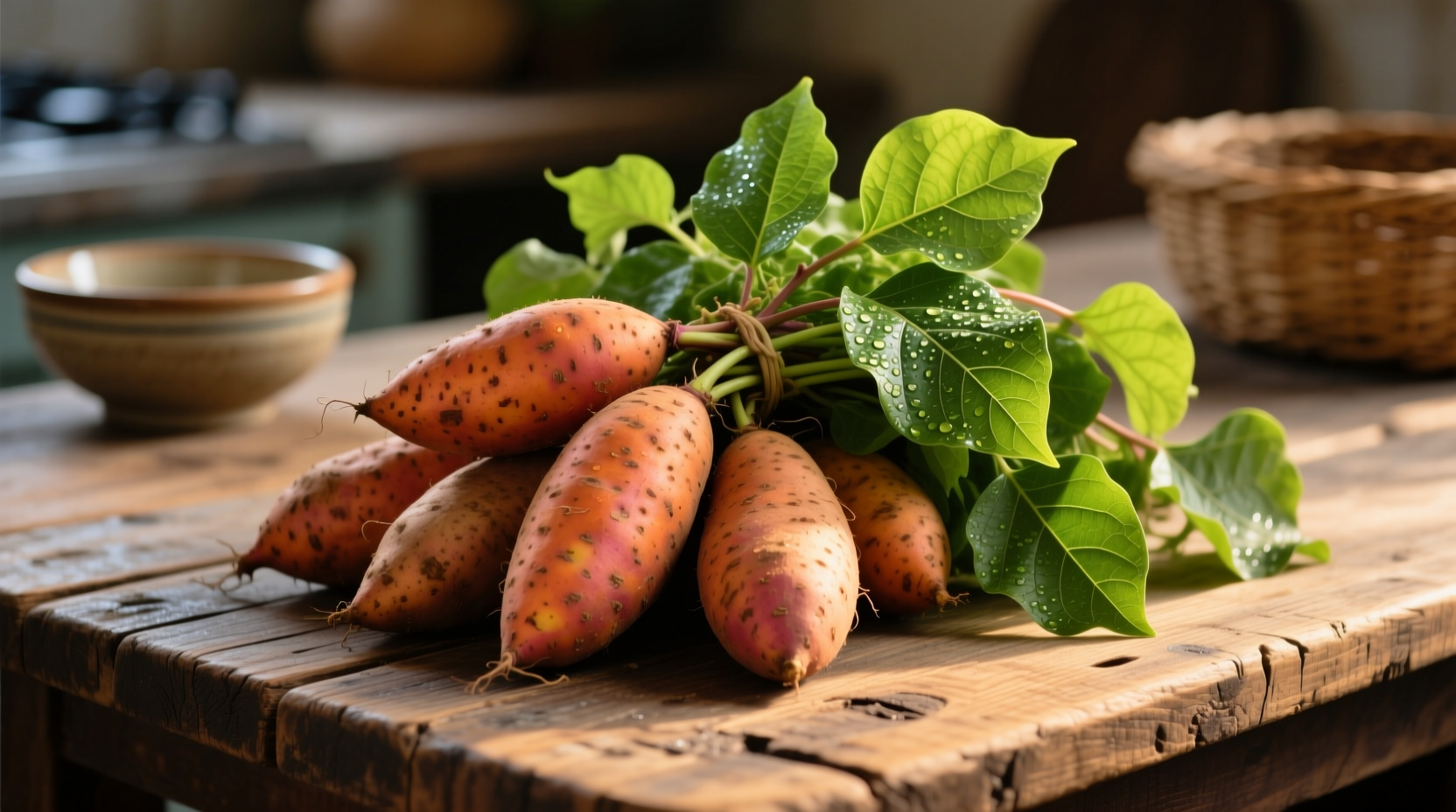
Sweet potatoes have nourished civilizations for millennia. Archaeological evidence shows cultivation began in Central and South America over 5,000 years ago. Spanish explorers introduced them to Europe in the 15th century, and they quickly spread globally due to their nutritional value and adaptability. During World War II, sweet potatoes became a critical food source in the United States when wheat and sugar were rationed. Today, they rank among the top 10 most produced crops worldwide according to the Food and Agriculture Organization of the United Nations.
Practical Ways to Enjoy Sweet Potatoes Daily
Incorporating sweet potatoes into your routine doesn't require complicated recipes. Try these simple approaches:
- Breakfast boost: Dice and roast sweet potatoes to add to your morning eggs or oatmeal
- Lunch upgrade: Slice thinly for sandwiches instead of regular bread
- Dinner staple: Replace white potatoes with sweet potatoes in any recipe
- Smart snacking: Bake sweet potato "fries" with minimal oil instead of processed snacks
Dietitians recommend consuming sweet potatoes 2-3 times weekly as part of a varied diet. For optimal nutrient retention, store them in a cool, dark place (not the refrigerator) where they'll stay fresh for 3-5 weeks.
Final Verdict: Why Sweet Potatoes Deserve Your Attention
The scientific consensus is clear: sweet potatoes offer exceptional nutritional value with minimal drawbacks for most people. Unlike many so-called "superfoods" with exaggerated claims, sweet potatoes deliver measurable health benefits supported by decades of research. Their versatility in cooking, affordability, and long shelf life make them a practical choice for improving your daily nutrition without significant lifestyle changes.




 浙公网安备
33010002000092号
浙公网安备
33010002000092号 浙B2-20120091-4