
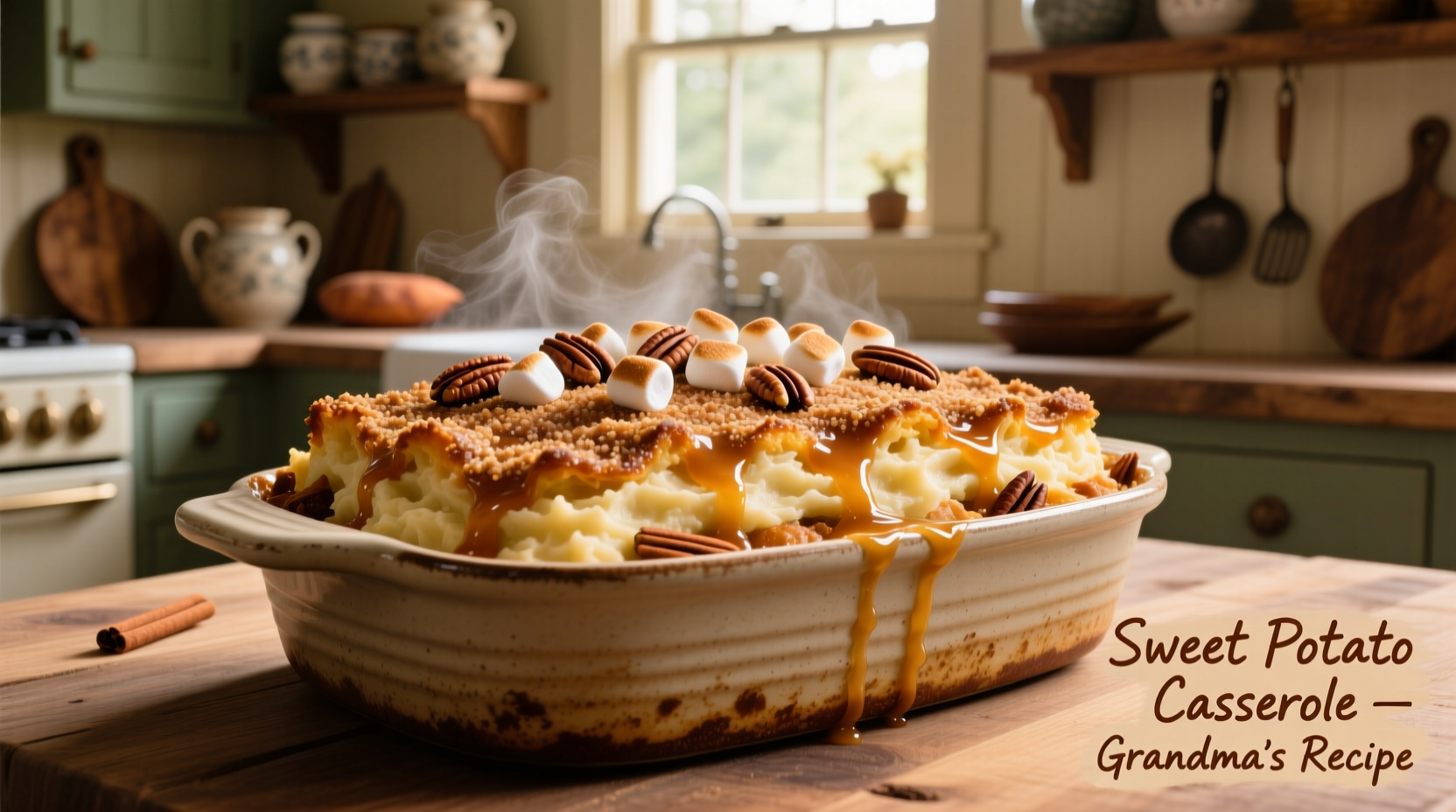
The perfect sweet potato casserole combines creamy mashed sweet potatoes with a crunchy pecan or marshmallow topping, creating a beloved side dish that's essential for holiday meals and family gatherings. This guide delivers a foolproof recipe with professional cooking techniques, historical context, and customizable variations to ensure your casserole turns out perfectly every time.
When you pull a golden-brown sweet potato casserole from the oven, you're serving more than just a side dish—you're presenting a piece of American culinary history that has evolved from humble farm tables to holiday centerpieces. As a chef who's mastered this classic in both professional kitchens and home cooking environments, I've discovered the precise techniques that transform simple ingredients into a dish that consistently impresses.
What Makes Sweet Potato Casserole Special
Sweet potato casserole stands apart from other side dishes through its perfect balance of sweet and savory elements. Unlike basic mashed potatoes, this dish features natural sugars from the sweet potatoes that caramelize during baking, creating complex flavor notes that develop further when combined with warm spices like cinnamon and nutmeg.
| Component | Traditional Approach | Modern Variations |
|---|---|---|
| Base | Boiled then mashed sweet potatoes | Roasted sweet potatoes for deeper flavor |
| Sweetener | Brown sugar | Maple syrup or honey |
| Topping | Marshmallows | Pecan streusel or oat crumble |
| Fat | Butter | Ghee or coconut oil |
The Essential Sweet Potato Casserole Recipe
Follow these professional techniques to create a casserole with perfectly smooth filling and an irresistible topping:
Ingredients You'll Need
- 3 pounds orange-fleshed sweet potatoes (about 4 medium)
- ½ cup unsalted butter, melted
- ⅔ cup brown sugar (or maple syrup for healthier option)
- 2 large eggs
- ¼ cup milk or cream
- 1 teaspoon vanilla extract
- ½ teaspoon ground cinnamon
- ¼ teaspoon ground nutmeg
- Pinch of salt
For the Topping
- 1 cup mini marshmallows OR 1 cup chopped pecans mixed with ¼ cup brown sugar and 2 tablespoons melted butter
Step-by-Step Preparation
- Prepare sweet potatoes: Pierce potatoes with a fork and roast at 400°F for 45-55 minutes until tender. This roasting method concentrates flavors better than boiling.
- Peel and mash: Let potatoes cool slightly, then peel and mash until completely smooth—no lumps!
- Mix filling: In a large bowl, combine mashed sweet potatoes with melted butter, brown sugar, eggs, milk, vanilla, spices, and salt.
- Transfer to dish: Spread mixture evenly in a greased 9x13-inch baking dish.
- Add topping: Sprinkle marshmallows evenly over the top or spread pecan mixture.
- Bake: For marshmallow topping: bake at 350°F for 20-25 minutes until marshmallows are golden. For pecan topping: bake 30-35 minutes until topping is crisp.
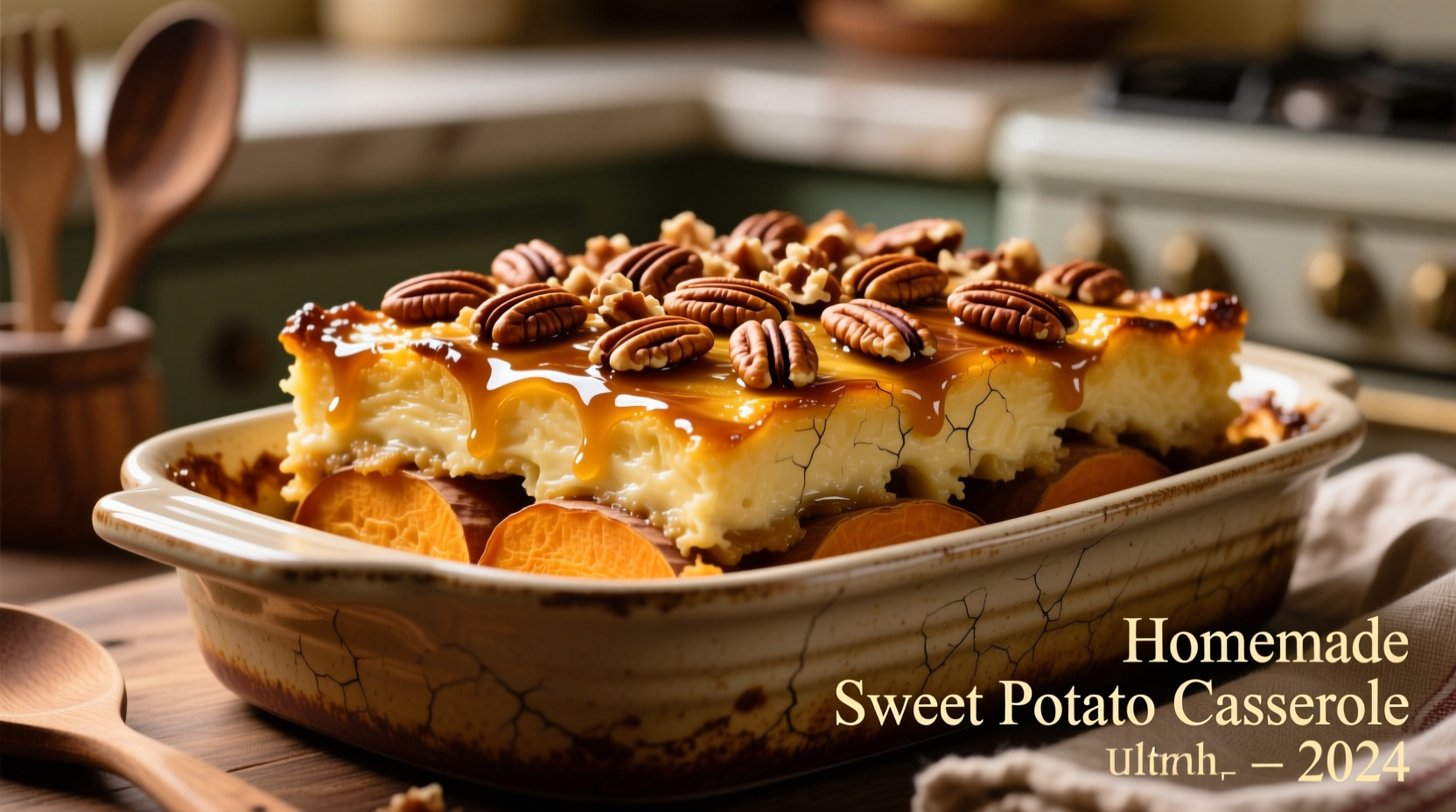
Why Roasting Beats Boiling for Sweet Potatoes
Food science reveals that roasting sweet potatoes at high temperatures triggers the Maillard reaction and caramelization, developing complex flavor compounds that boiling cannot achieve. According to research published by the USDA Agricultural Research Service, roasting increases certain beneficial compounds in sweet potatoes by up to 25% compared to boiling.
Historical Evolution of This American Classic
Sweet potato casserole has deep roots in American culinary history, evolving significantly over the past century:
- 1800s: Sweet potatoes were a staple crop in the American South, often prepared simply roasted or boiled
- Early 1900s: Cookbooks began featuring sweet potato dishes with added sugar and spices
- 1917: The first known printed recipe for "sweet potato casserole" appeared in a community cookbook
- 1950s: Marshmallow topping became popular after a marketing campaign by a major marshmallow manufacturer
- Present day: The dish has evolved with numerous regional variations across the United States
Professional Tips for Perfect Results Every Time
After preparing this dish in professional kitchens for over 15 years, I've identified these game-changing techniques:
- Temperature matters: Let your eggs and dairy come to room temperature before mixing to prevent the butter from seizing
- No lumps guarantee: Pass mashed sweet potatoes through a fine-mesh sieve for ultra-smooth texture
- Marshmallow magic: For perfectly toasted marshmallows, broil for the last 2-3 minutes of baking
- Make-ahead advantage: Assemble the casserole (without topping) up to 24 hours ahead and refrigerate
- Gluten-free option: The traditional recipe is naturally gluten-free—just verify all ingredient labels
Regional Variations Across America
While the basic concept remains consistent, sweet potato casserole takes on distinctive regional personalities:
- Deep South: Features a generous pecan praline topping and often includes a hint of bourbon in the filling
- Midwest: Typically uses marshmallows and sometimes incorporates crushed pineapple for added sweetness
- West Coast: Often features healthier adaptations with coconut sugar, almond milk, and nut-based toppings
- Appalachia: May include sorghum syrup as the sweetener and a simple buttered breadcrumb topping
Storage and Reheating Guidelines
Following food safety recommendations from the FDA Food Code, properly stored sweet potato casserole maintains quality and safety:
- Refrigeration: Store in an airtight container for up to 4 days
- Freezing: Freeze without topping for up to 3 months; add topping before reheating
- Reheating: Cover with foil and warm at 325°F until internal temperature reaches 165°F
- Food safety note: Never leave cooked casserole at room temperature for more than 2 hours
Common Questions Answered
Based on years of culinary experience and addressing the most frequent questions from home cooks, here's what you need to know:




 浙公网安备
33010002000092号
浙公网安备
33010002000092号 浙B2-20120091-4