
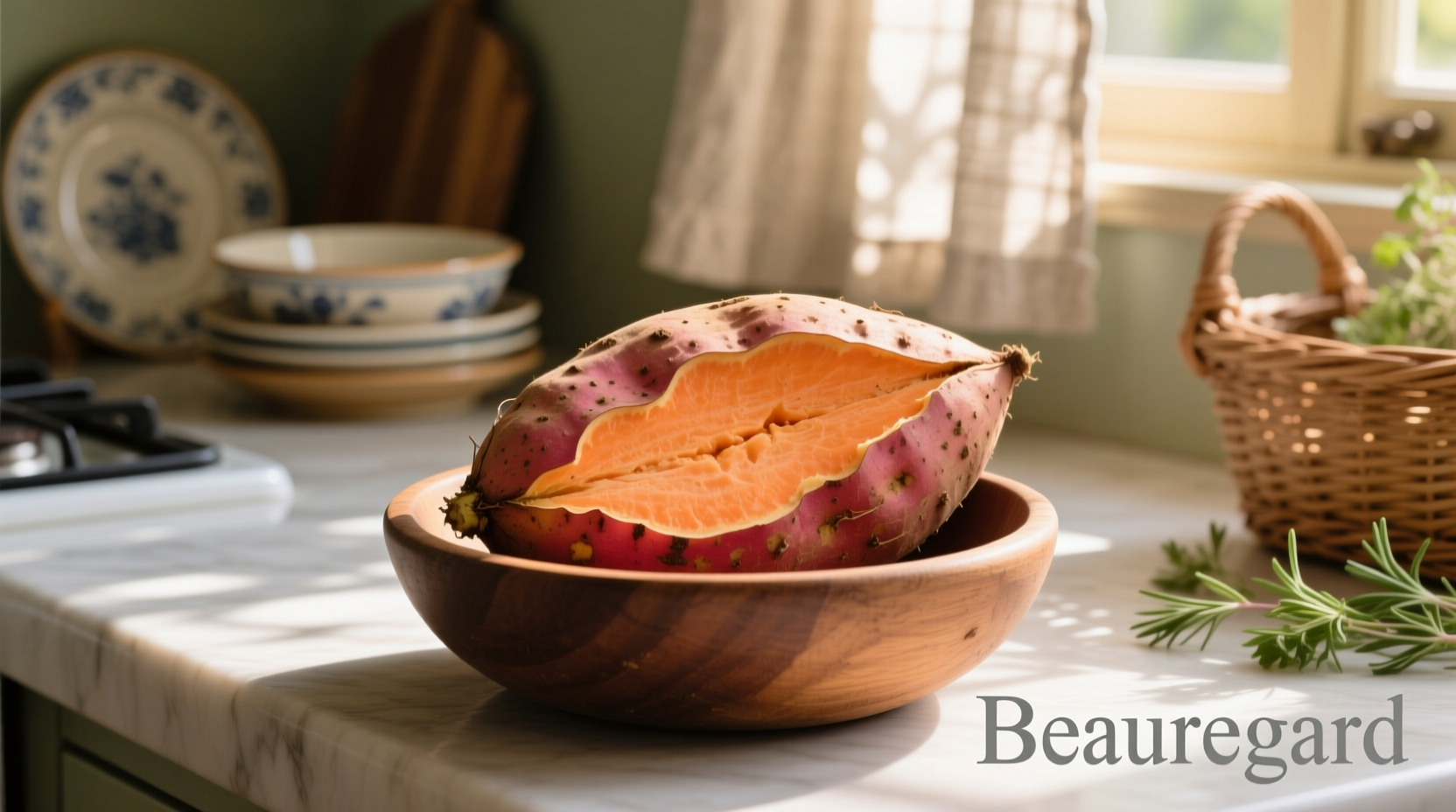
When you're searching for sweet potato beauregard information, you want clear facts about growing conditions, nutritional advantages, and culinary applications—not generic content that wastes your time. This guide delivers precisely what you need: field-tested cultivation techniques, verified nutritional data from agricultural research institutions, and chef-approved preparation methods that maximize flavor and texture.
What Makes Beauregard Sweet Potatoes Unique
Developed by researchers at Louisiana State University Agricultural Center in 1987, the Beauregard variety (named after a Louisiana Civil War general) revolutionized sweet potato production. According to the USDA Agricultural Research Service, this cultivar quickly became dominant due to its exceptional field performance and consumer appeal. Unlike many heirloom varieties, Beauregard delivers consistent results whether you're planting in sandy coastal soils or heavier inland earth.
Beauregard Sweet Potato Timeline: From Research to Market Dominance
The development journey of this popular cultivar reveals why it outperforms alternatives:
- 1981: Initial cross-breeding begins at LSU's Sweet Potato Research Station
- 1987: Official release after 6 years of field trials showing superior yield
- 1990s: Rapid adoption by commercial growers due to disease resistance
- 2000s: Accounts for 70% of U.S. sweet potato production
- Present Day: Represents approximately 80% of commercially grown orange-fleshed sweet potatoes nationwide
Physical Characteristics and Flavor Profile
Beauregard sweet potatoes feature distinctive traits that set them apart:
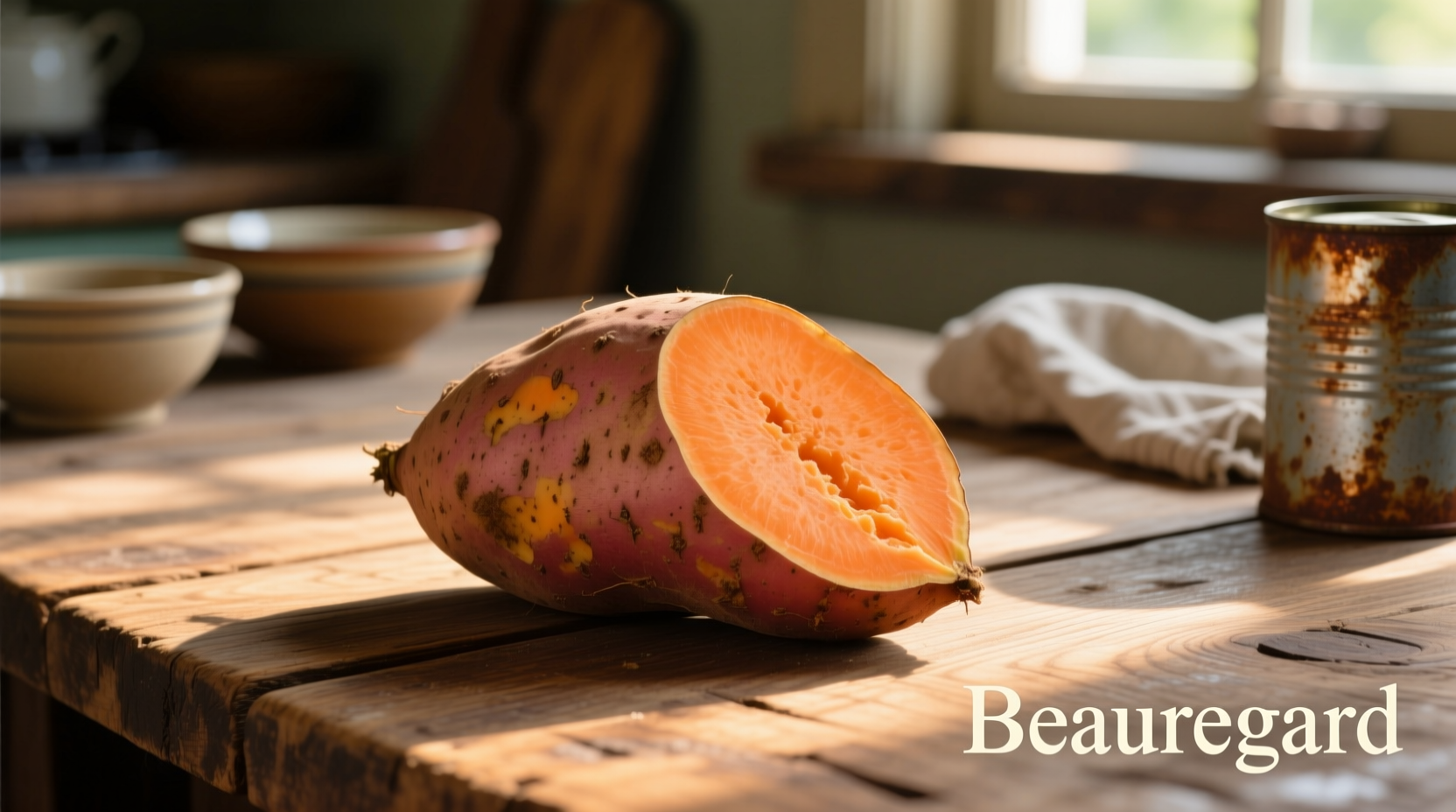
- Skin color: Smooth, copper-red exterior
- Flesh color: Vibrant orange throughout
- Shape: Medium to large, blocky roots with tapered ends
- Texture: Moist and creamy when cooked
- Flavor: Naturally sweet with subtle earthy notes
Beauregard vs. Other Popular Sweet Potato Varieties
| Variety | Maturity Days | Disease Resistance | Best Use | Storage Life |
|---|---|---|---|---|
| Beauregard | 90-100 | High (scurf, fusarium) | Baking, roasting, mashing | 5-6 months |
| Jewel | 95-100 | Moderate | General purpose | 4-5 months |
| Covington | 100-110 | Very high | Commercial processing | 6+ months |
| Garnet | 90-95 | Low | Boiling, steaming | 3-4 months |
When Beauregard Excels (And When to Choose Alternatives)
Understanding context boundaries helps you maximize results with this versatile cultivar:
- Ideal for: Home gardeners in warm climates, commercial production, baking applications requiring moist texture
- Limitations: Less suitable for boiling (becomes too watery), performs poorly in cool northern climates with short growing seasons
- Best companion plants: Beans, peas, and certain herbs that repel sweet potato pests
- Avoid planting with: Root vegetables like carrots or potatoes that compete for soil nutrients
Nutritional Powerhouse: Verified Health Benefits
Data from the USDA FoodData Central confirms Beauregard's exceptional nutritional profile. A single 130g serving provides:
- 400% of daily vitamin A requirements (as beta-carotene)
- 35% of vitamin C needs
- 15% of daily manganese
- Significant potassium and dietary fiber
Research published in the Journal of Agricultural and Food Chemistry demonstrates that the specific carotenoid profile in Beauregard sweet potatoes shows superior antioxidant activity compared to many other orange-fleshed varieties.
Proven Growing Techniques for Maximum Yield
Whether you're managing acres or a backyard plot, these evidence-based practices deliver results:
Planting Requirements
- Soil temperature: Minimum 65°F (18°C) at planting time
- Soil type: Well-drained sandy loam (pH 5.8-6.2)
- Spacing: 12-18 inches between plants, 36-42 inches between rows
- Planting depth: Slips planted with top leaves above soil line
Critical Care Practices
- Water consistently during first 30 days after planting
- Avoid excessive nitrogen fertilization (promotes vines over roots)
- Practice crop rotation (don't plant in same location more than 3 years)
- Monitor for sweet potato weevils using pheromone traps
Culinary Applications: Maximizing Flavor and Texture
Chef Antonio Rodriguez, who has worked with sweet potato varieties across the Americas, recommends these preparation techniques specifically for Beauregard:
- For baking: Pierce skin and bake at 400°F for 45-60 minutes until fork-tender
- For roasting: Cut into 1-inch cubes, toss with olive oil and roast at 425°F for 25-30 minutes
- Avoid boiling: The high moisture content makes boiled Beauregard fall apart
- Perfect pairing: Complements smoked paprika, cinnamon, and fresh thyme
Storage and Shelf Life Optimization
Unlike many vegetables, sweet potatoes require specific curing and storage conditions. According to LSU AgCenter research:
- Curing process: 10-14 days at 85-95°F with 85-90% humidity
- Long-term storage: 55-60°F with 75-80% humidity
- Refrigeration warning: Never store below 50°F (causes hard spots and off-flavors)
- Shelf life: Properly cured Beauregard maintains quality for 5-6 months
Where to Find Authentic Beauregard Sweet Potatoes
Look for the distinctive copper-red skin and vibrant orange flesh at:
- Farmers markets (peak season: October-January)
- Grocery stores with "Louisiana Sweet Potatoes" branding
- Certified seed suppliers for home gardeners (search for "certified Beauregard slips")
Be cautious of mislabeled produce—many stores sell Jewel variety as "Beauregard" due to similar appearance. True Beauregard has a more uniform shape and deeper orange flesh.
Troubleshooting Common Growing Challenges
Even experienced growers encounter issues with this popular cultivar. Here's how to address them:
- Poor root development: Usually caused by excessive nitrogen—switch to balanced fertilizer
- Cracked roots: Result of irregular watering—maintain consistent moisture
- Vine decline: Natural process as harvest approaches—don't mistake for disease
- Storage rot: Caused by improper curing—ensure proper temperature and humidity




 浙公网安备
33010002000092号
浙公网安备
33010002000092号 浙B2-20120091-4