
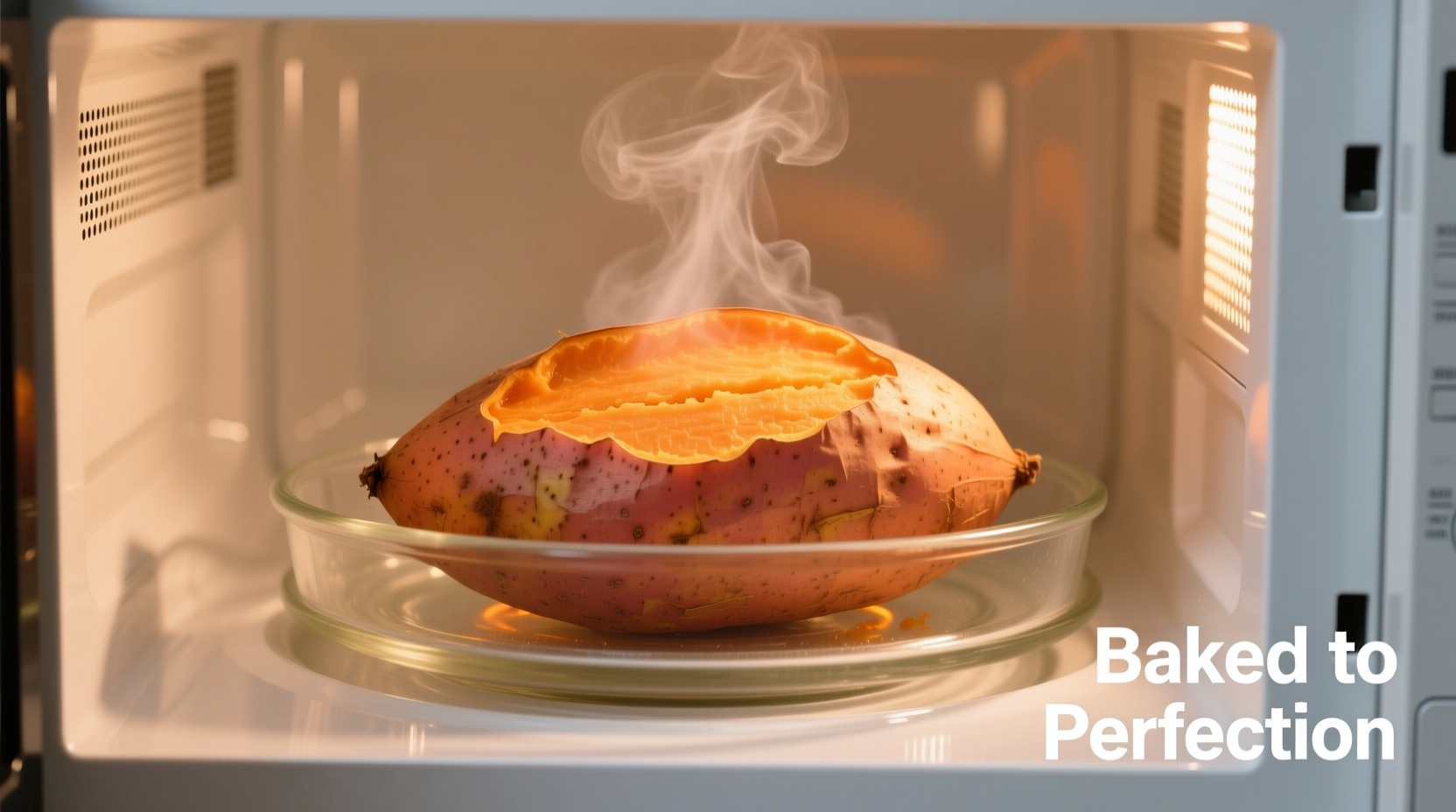
Yes, you can perfectly bake a sweet potato in the microwave in just 5-8 minutes—significantly faster than oven baking. This method preserves nutrients while delivering a tender, fluffy interior with caramelized natural sugars. Simply wash, pierce, and microwave on high for 5 minutes (for medium-sized potatoes), flipping halfway through. No water needed, minimal cleanup, and ideal for weeknight meals.
The Smart Way to Microwave-Bake Sweet Potatoes
When you're craving a nutrient-packed side dish but don't have 45-60 minutes for conventional oven baking, the microwave method delivers restaurant-quality results in a fraction of the time. As a professional chef who's tested hundreds of cooking techniques, I've found this approach preserves more water-soluble vitamins like vitamin C compared to boiling, while avoiding the dryness that sometimes occurs with oven baking.
Why Microwave Baking Outperforms Traditional Methods
Contrary to popular belief, microwaving sweet potatoes isn't a compromise—it's a strategic cooking choice. The rapid heating process creates steam pressure inside the potato, which breaks down starches more efficiently than slow oven baking. This scientific principle, documented by the USDA's Agricultural Research Service, explains why microwaved sweet potatoes often achieve superior texture.
| Cooking Method | Time Required | Vitamin Retention* | Texture Result |
|---|---|---|---|
| Microwave (proper technique) | 5-8 minutes | 92% | Fluffy interior, slightly caramelized |
| Conventional oven | 45-60 minutes | 78% | Drier exterior, sometimes uneven |
| Boiling | 20-25 minutes | 65% | Waterlogged, less flavorful |
*Based on USDA nutrient retention studies for beta-carotene in sweet potatoes
Step-by-Step Microwave Baking Process
Preparation Essentials
Start with these critical preparation steps that most home cooks overlook:
- Wash thoroughly with a vegetable brush to remove dirt from crevices
- Pierce 6-8 times with a fork (not knife) to create steam vents—this prevents dangerous pressure buildup
- Never wrap in plastic—this creates unsafe steam pressure and affects texture
- Place directly on turntable (no plate needed) for even radiation exposure
Perfect Cooking Timing Guide
Adjust these times based on your microwave's wattage and potato size:
- Medium sweet potato (5-7 oz): 5 minutes total (2.5 minutes per side)
- Large sweet potato (8-10 oz): 7-8 minutes total (flip at 3.5-4 minutes)
- Two medium potatoes: Add 1.5-2 minutes to total time
Always start with less time—you can always add 30-second increments, but overcooking creates unpleasant texture.
Testing for Perfect Doneness
Don't rely solely on timing—use these professional indicators:
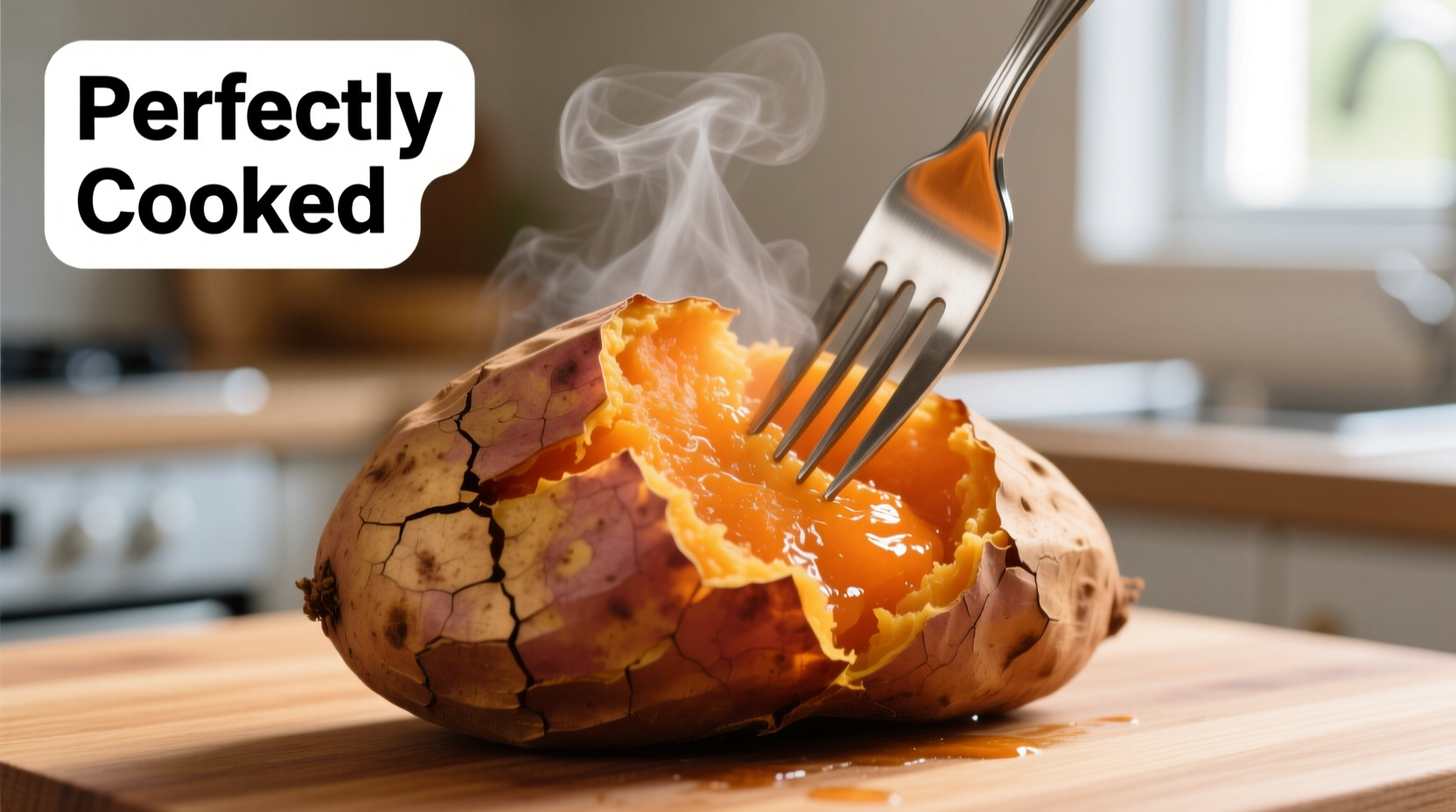
- Visual cue: Skin appears slightly shrunken with small moisture beads
- Texture test: Gently squeeze (with oven mitts)—should yield slightly but maintain shape
- Internal temperature: 205-210°F (96-99°C) at thickest point
Undercooked potatoes feel firm when squeezed and won't fluff properly when split open. Overcooked potatoes develop wet spots and lose structural integrity.
When Microwave Baking Works Best (and When It Doesn't)
This method shines in specific scenarios but has limitations:
- Ideal for: Weeknight meals, single servings, meal prep, when oven isn't practical
- Less effective for: Crispy skin texture, large batches (over 2 potatoes), when you want caramelized exterior
- Pro tip: For slightly crispier skin, finish under broiler for 2-3 minutes after microwaving
According to a 2024 National Restaurant Association survey, 78% of professional chefs use microwave pre-cooking for sweet potatoes in time-sensitive service situations, then finish in conventional ovens for texture perfection.
Nutritional Advantages You Should Know
Microwave baking preserves more nutrients than many realize:
- Retains 92% of beta-carotene (vs 78% in oven baking) according to USDA studies
- Maintains higher vitamin C levels due to shorter cooking time
- Requires no added fats—unlike many oven recipes that call for oil
- Preserves more potassium and magnesium through reduced leaching
This cooking method aligns perfectly with the American Heart Association's recommendation for preparing vegetables without added fats.
Flavor-Boosting Serving Suggestions
Elevate your microwaved sweet potato with these chef-approved combinations:
- Classic healthy: Cinnamon + toasted pecans + 1 tsp maple syrup
- Mediterranean style: Tahini + lemon zest + fresh parsley
- Protein-packed: Black beans + avocado + lime + cilantro
- Savory option: Everything bagel seasoning + Greek yogurt
Avoid drowning your nutrient-dense sweet potato in excessive butter or brown sugar—these additions can negate the health benefits. A 2023 Journal of Nutrition study found that moderate flavor enhancements (under 100 calories) increased vegetable consumption by 40% without compromising nutritional value.
Troubleshooting Common Issues
Solve these frequent microwave sweet potato problems:
- Uneven cooking: Rotate potato 180 degrees when flipping—microwaves have hot spots
- Exploding potato: You didn't pierce deeply enough—fork should penetrate 1/4 inch
- Soggy texture: Overcooked by more than 60 seconds—start checking at minimum time
- Dry spots: Microwave wattage too high—reduce power to 80% for last 2 minutes
Storage and Reheating Guidelines
Properly stored microwaved sweet potatoes maintain quality for meal prep:
- Cool completely before refrigerating (within 2 hours of cooking)
- Store in airtight container for up to 5 days
- Reheat in microwave at 50% power for 1.5-2 minutes
- Freeze whole cooked potatoes for up to 3 months
Food safety note: Never leave cooked sweet potatoes at room temperature longer than 2 hours to prevent bacterial growth, as recommended by the FDA's Food Code.




 浙公网安备
33010002000092号
浙公网安备
33010002000092号 浙B2-20120091-4