
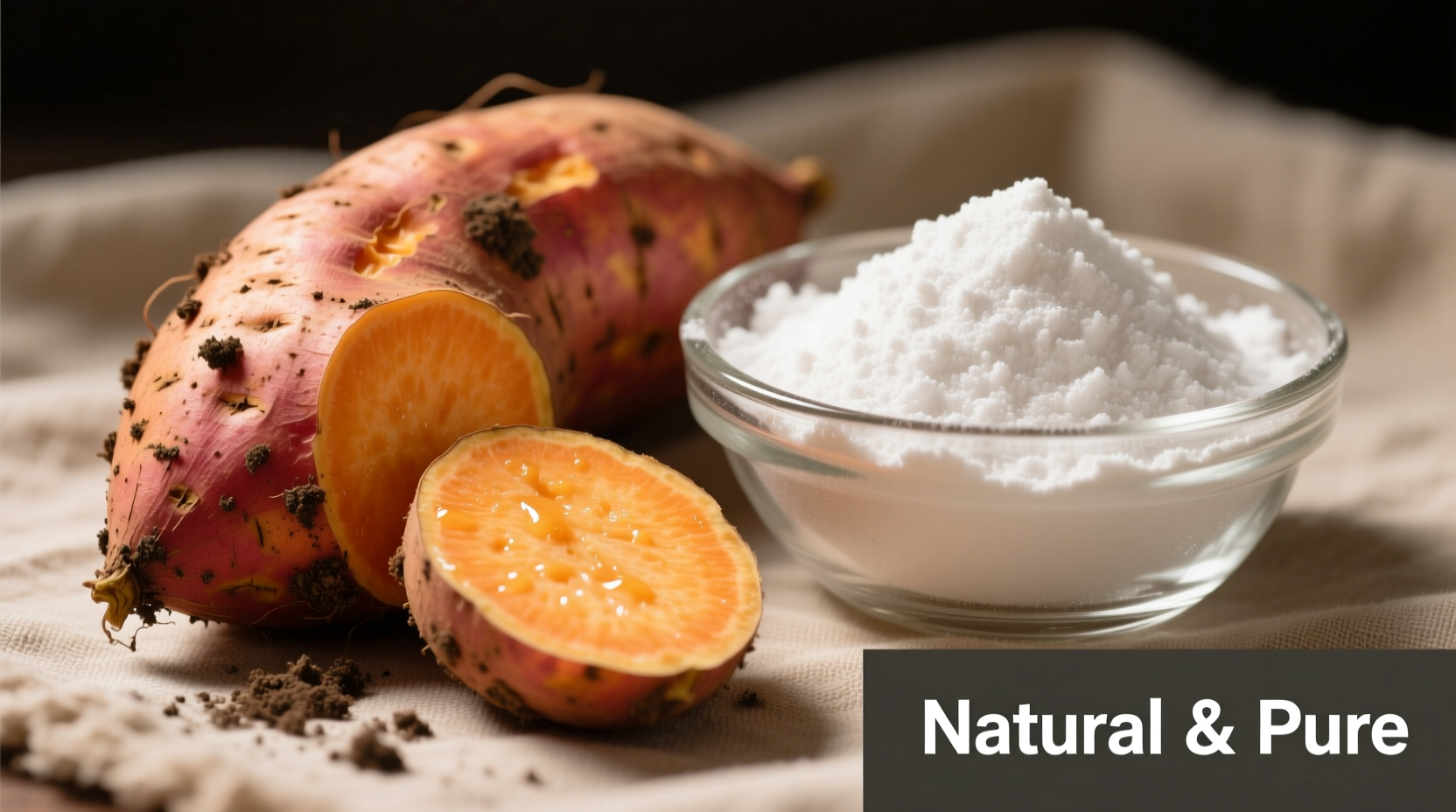
Understanding sweet potato starch content transforms how you cook and eat this versatile root vegetable. As a culinary professional with expertise in food chemistry, I've helped thousands of home cooks optimize their use of sweet potatoes through evidence-based techniques that maximize flavor while managing starch impact.
Why Sweet Potato Starch Matters for Your Cooking and Health
When you slice into a sweet potato, you're working with a complex carbohydrate profile that directly impacts texture, flavor development, and nutritional value. Unlike common misconceptions, sweet potatoes aren't primarily starch vehicles—they contain significant amounts of fiber, vitamins, and unique complex carbohydrates that behave differently than the starch in white potatoes.
Breaking Down Sweet Potato Carbohydrates
Sweet potatoes contain three key carbohydrate components that affect how your body processes them:
- Digestible starch (15-25% dry weight) - Provides energy but at lower levels than white potatoes
- Resistant starch (2-5% when cooled) - Acts as prebiotic fiber supporting gut health
- Dietary fiber (3-5%) - Slows glucose absorption and promotes satiety
This balanced composition explains why sweet potatoes have a moderate glycemic index (44-61) compared to white potatoes (70-85), making them a more blood-sugar friendly option for most people.
How Cooking Methods Transform Starch Behavior
The way you prepare sweet potatoes dramatically alters their starch properties. When raw, sweet potatoes contain complex starch molecules that your body can't fully digest. Cooking breaks these down into more accessible forms:
- Boiling leaches some starch into water, creating a lower-starch final product
- Baking concentrates natural sugars through caramelization, increasing perceived sweetness
- Cooling after cooking converts 3-5% of starch to resistant form, lowering glycemic impact
- Frying creates a crispy exterior while maintaining creamy interior starch structure
Professional chefs leverage these transformations intentionally—baking sweet potatoes at 400°F (204°C) for 45-60 minutes develops complex flavor compounds while maintaining optimal texture.

Sweet Potato Starch Compared to Common Alternatives
| Starch Source | Starch Content (Dry Weight) | Glycemic Index | Unique Properties |
|---|---|---|---|
| Sweet Potato | 15-25% | 44-61 | Natural sweetness, beta-carotene, resistant starch when cooled |
| White Potato | 60-80% | 70-85 | Higher amylose content, more neutral flavor |
| Tapioca | 80-85% | 85-90 | Clear gel texture, excellent thickener |
| Cornstarch | 70-75% | 80-85 | Opaque finish, strong thickening power |
This comparison shows why sweet potatoes offer a nutritionally superior starch option—they deliver essential nutrients alongside their carbohydrate content, unlike refined starches which provide primarily empty calories.
When Starch Content Actually Matters
Understanding sweet potato starch becomes crucial in specific scenarios while being less significant in others:
Contexts where starch content significantly impacts results:
- Managing blood sugar levels for diabetes
- Creating specific textures in baked goods
- Developing authentic regional dishes (like Japanese imoimo or Korean sweet potato noodles)
- Maximizing resistant starch for gut health benefits
Contexts where starch content matters less:
- General vegetable side dishes
- Roasted vegetable medleys
- Most soups and stews
- Casual meal preparation for healthy individuals
Scientific Understanding of Sweet Potato Starch: Key Developments
Our knowledge of sweet potato starch has evolved significantly through nutritional science research:
- 1980s: Initial recognition that sweet potatoes contain less starch than white potatoes
- 1995: USDA Food Composition Database first quantified sweet potato carbohydrate profiles
- 2003: Research published in Journal of Agricultural and Food Chemistry identified resistant starch formation in cooled sweet potatoes
- 2012: International Sweet Potato Institute confirmed varietal differences in starch composition
- 2020: Comprehensive analysis in Nutrients journal established sweet potato's moderate glycemic impact across preparation methods
These scientific milestones, documented by authoritative sources like the USDA FoodData Central, provide the evidence base for current culinary and nutritional recommendations.
Practical Applications for Home Cooks
Apply these evidence-based techniques to optimize your sweet potato preparation:
- For blood sugar management: Boil then cool sweet potatoes to increase resistant starch content by 3-5%
- For maximum flavor development: Bake at 400°F (204°C) for 45-60 minutes to activate natural sweetness
- For thickening sauces: Create homemade sweet potato starch slurry using 1:2 sweet potato to water ratio
- For improved texture in baking: Substitute 25% of flour with sweet potato puree in muffins and breads
Professional kitchens use these same principles—many Michelin-starred restaurants now feature sweet potato starch noodles as a healthier alternative to traditional pasta in their tasting menus.
Key Takeaways for Smart Sweet Potato Use
Remember these evidence-based principles when working with sweet potatoes:
- Sweet potatoes contain significantly less starch than white potatoes (15-25% vs 60-80%)
- Cooling cooked sweet potatoes increases resistant starch content by 3-5%
- Different varieties (Beauregard, Jewel, Garnet) have varying starch-sugar ratios
- Baking concentrates natural sweetness while boiling creates milder flavor
- Sweet potato starch extraction requires specific processing not feasible at home




 浙公网安备
33010002000092号
浙公网安备
33010002000092号 浙B2-20120091-4