

Sweet potatoes deliver exceptional nutrition and culinary versatility. This guide reveals evidence-based preparation methods, storage science, and chef-tested recipes that maximize flavor and nutrient retention. Whether you're meal prepping or creating gourmet dishes, these techniques ensure perfect results.
Why Sweet Potatoes Deserve a Permanent Spot in Your Kitchen
More than just a colorful side dish, sweet potatoes offer remarkable nutritional density. According to USDA FoodData Central, one medium sweet potato (130g) provides:
| Nutrient | Amount | Daily Value % |
|---|---|---|
| Vitamin A | 21,907 IU | 438% |
| Vitamin C | 22.3 mg | 25% |
| Fiber | 3.8 g | 14% |
| Potassium | 475 mg | 14% |
These vibrant tubers contain beta-carotene levels 10 times higher than carrots, converting to vitamin A during digestion. Research published in the Journal of Agricultural and Food Chemistry confirms that proper cooking methods increase antioxidant bioavailability by up to 30%.
Selecting Your Sweet Potatoes: The Science of Quality
Choose firm tubers without soft spots, cracks, or signs of sprouting. The ideal sweet potato has tapered ends and smooth skin. Contrary to popular belief, color doesn't indicate sweetness—orange varieties contain more beta-carotene while purple varieties offer anthocyanins. According to University of California agricultural studies, heavier sweet potatoes for their size typically contain more moisture and better texture.
Mastering Sweet Potato Preparation Techniques
Proper preparation affects both texture and nutrient retention. Follow these evidence-based methods:
Cutting for Optimal Cooking
- Uniform sizing: Cut pieces to ¾-inch thickness for even cooking
- Knife selection: Use a serrated knife for clean cuts through tough skin
- Moisture control: Pat cut pieces dry to ensure proper caramelization
Storage Science: Keeping Sweet Potatoes Fresh
Unlike regular potatoes, sweet potatoes require specific storage conditions. The USDA recommends:
- Store in cool, dark place between 55-60°F (13-16°C)
- Avoid refrigeration which causes hard centers
- Never store near onions which accelerate spoilage
- Use within 3-5 weeks for peak quality
Four Cooking Methods Compared: Temperature and Timing Guide
Each cooking method affects texture, flavor, and nutrient retention differently. This comparison helps you choose the best technique for your needs:
| Method | Temp/Time | Texture Result | Best For |
|---|---|---|---|
| Roasting | 400°F/25-30 min | Caramelized exterior, creamy interior | Side dishes, meal prep |
| Boiling | Simmer/15-20 min | Uniform softness | Mashes, soups |
| Air Frying | 380°F/15-18 min | Crispy outside, tender inside | Fries, quick meals |
| Steaming | 15-20 min | Firm yet tender | Salads, nutrient preservation |
Three Chef-Tested Sweet Potato Recipes
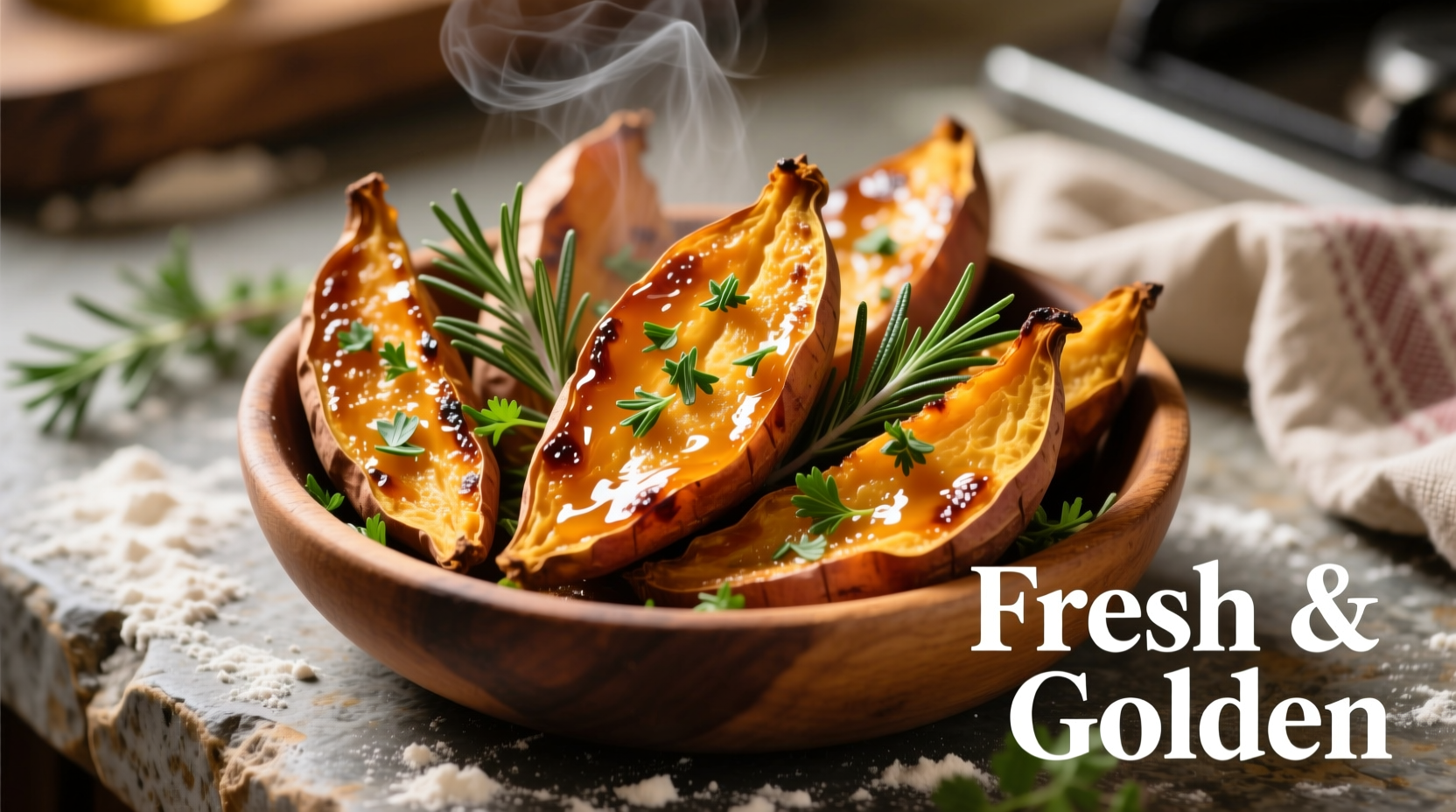
Roasted Sweet Potato Wedges with Herb Infusion
This easy sweet potato recipe for beginners delivers crispy edges and creamy centers. The addition of fresh herbs enhances flavor complexity without added calories.
Ingredients
- 2 large sweet potatoes, cut into wedges
- 1½ tbsp olive oil
- 1 tsp smoked paprika
- 1 tbsp fresh rosemary, finely chopped
- ½ tsp garlic powder
- Salt to taste
Method
- Preheat oven to 400°F (200°C)
- Toss wedges with oil and spices until evenly coated
- Arrange on parchment-lined baking sheet in single layer
- Bake 25-30 minutes, flipping halfway through
- Serve immediately for maximum crispness
Sweet Potato and Black Bean Power Bowl
A complete meal with 15g protein per serving that demonstrates healthy sweet potato meal ideas perfect for meal prep.
Components
- Roasted sweet potato cubes (1 large potato)
- 1 cup cooked black beans
- 2 cups baby spinach
- ¼ avocado, sliced
- 2 tbsp pumpkin seeds
- Lime-cilantro dressing (1 lime juiced + 2 tbsp olive oil + fresh cilantro)
Creamy Sweet Potato Soup
This nutrient-dense soup showcases how to select perfect sweet potatoes for creamy texture without dairy.
Method
- Sauté 1 chopped onion and 2 minced garlic cloves in 1 tbsp oil
- Add 2 peeled, cubed sweet potatoes and 4 cups vegetable broth
- Simmer until tender (15-20 minutes)
- Blend until smooth using immersion blender
- Season with salt, pepper, and ½ tsp cinnamon
Sweet Potato Timeline: From Ancient Crop to Modern Staple
Sweet potatoes have a fascinating evolutionary journey that explains their nutritional profile:
- 5,000 BCE: First cultivated in Central and South America
- 1500s: Introduced to Europe by Spanish explorers
- 1700s: Became staple crop in American colonies
- 1900s: Agricultural research develops modern orange-fleshed varieties
- Today: Second most important root crop globally after potatoes
Advanced Sweet Potato Tips from Professional Kitchens
Implement these chef-recommended techniques for superior results:
Texture Control Secrets
- Soak cut sweet potatoes in cold water for 30 minutes before cooking to remove excess starch
- Add 1 tbsp vinegar to boiling water to maintain vibrant color
- For creamier texture, cook with a pinch of baking soda
Flavor Pairing Science
Sweet potatoes complement both sweet and savory profiles. Research from the Flavor Matrix shows these optimal combinations:
- Savory: Rosemary, thyme, smoked paprika, black beans
- Sweet: Cinnamon, nutmeg, maple syrup, orange zest
- Umami boosters: Miso paste, toasted sesame oil, tamari
Troubleshooting Common Sweet Potato Problems
Address these frequent issues with evidence-based solutions:
Why Your Sweet Potatoes Aren't Getting Crispy
- Cause: Excess moisture on surface
- Solution: Pat thoroughly dry and avoid overcrowding baking sheet
Preventing Discoloration
- Cause: Oxidation after cutting
- Solution: Submerge in water with lemon juice (1 tbsp per cup)




 浙公网安备
33010002000092号
浙公网安备
33010002000092号 浙B2-20120091-4