
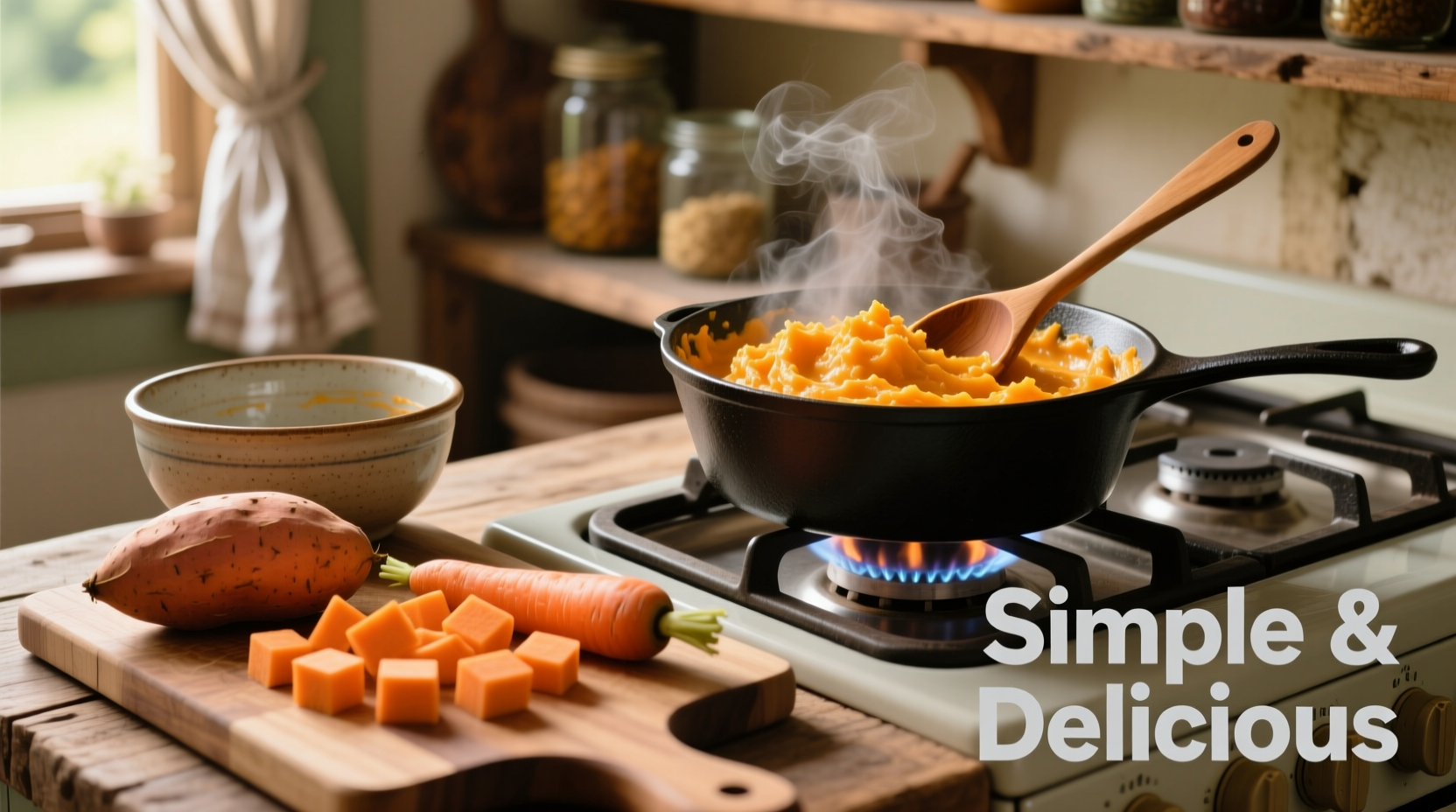
When sweet potatoes and carrots share the same roasting pan, magic happens. These vibrant orange vegetables aren't just color-coordinated—they create a nutritional powerhouse with complementary flavors that satisfy both health-conscious eaters and flavor seekers. This foolproof recipe transforms basic pantry staples into a restaurant-quality side dish that pairs perfectly with roasted chicken, grilled fish, or stands strong as a vegetarian main when topped with crumbled feta and toasted pecans.
Why This Sweet Potato and Carrot Combination Works
Sweet potatoes and carrots belong to different plant families but share remarkable culinary chemistry. Both contain high levels of beta-carotene, which converts to vitamin A in your body, but they bring distinct flavor profiles to the table. Sweet potatoes offer earthy sweetness with subtle vanilla notes, while carrots provide brighter, grassier tones with pine-like undertones. When roasted together, their natural sugars caramelize at similar temperatures (between 375°F and 400°F), creating complex flavor compounds that neither achieves alone.
| Preparation Method | Best For | Texture Result | Flavor Development |
|---|---|---|---|
| Roasting (400°F) | Maximum caramelization | Firm exterior, creamy interior | Deep, complex sweetness with umami notes |
| Steaming | Nutrient preservation | Uniform tenderness | Pure vegetable flavor, less complex |
| Sautéing | Quick weeknight meals | Slightly crisp edges | Bright, fresh flavor with minimal caramelization |
According to research from the USDA Agricultural Research Service, roasting actually increases the bioavailability of beta-carotene in both vegetables by breaking down cell walls, making this preparation method nutritionally superior to boiling. The study confirms that properly roasted sweet potatoes and carrots deliver up to 30% more absorbable vitamin A than their boiled counterparts.
Essential Ingredients and Why They Matter
This isn't just another sweet potato and carrot recipe—each ingredient serves a specific purpose in building flavor layers:
- 2 large sweet potatoes (about 1.5 lbs) - Choose orange-fleshed varieties like Beauregard for maximum beta-carotene
- 1 lb carrots - Purple or yellow varieties add visual interest while maintaining similar nutrient profiles
- 3 tbsp extra-virgin olive oil - Creates crisp edges while helping spices adhere (avocado oil works for higher heat)
- 1.5 tsp smoked paprika - Adds depth that complements natural sweetness without overpowering
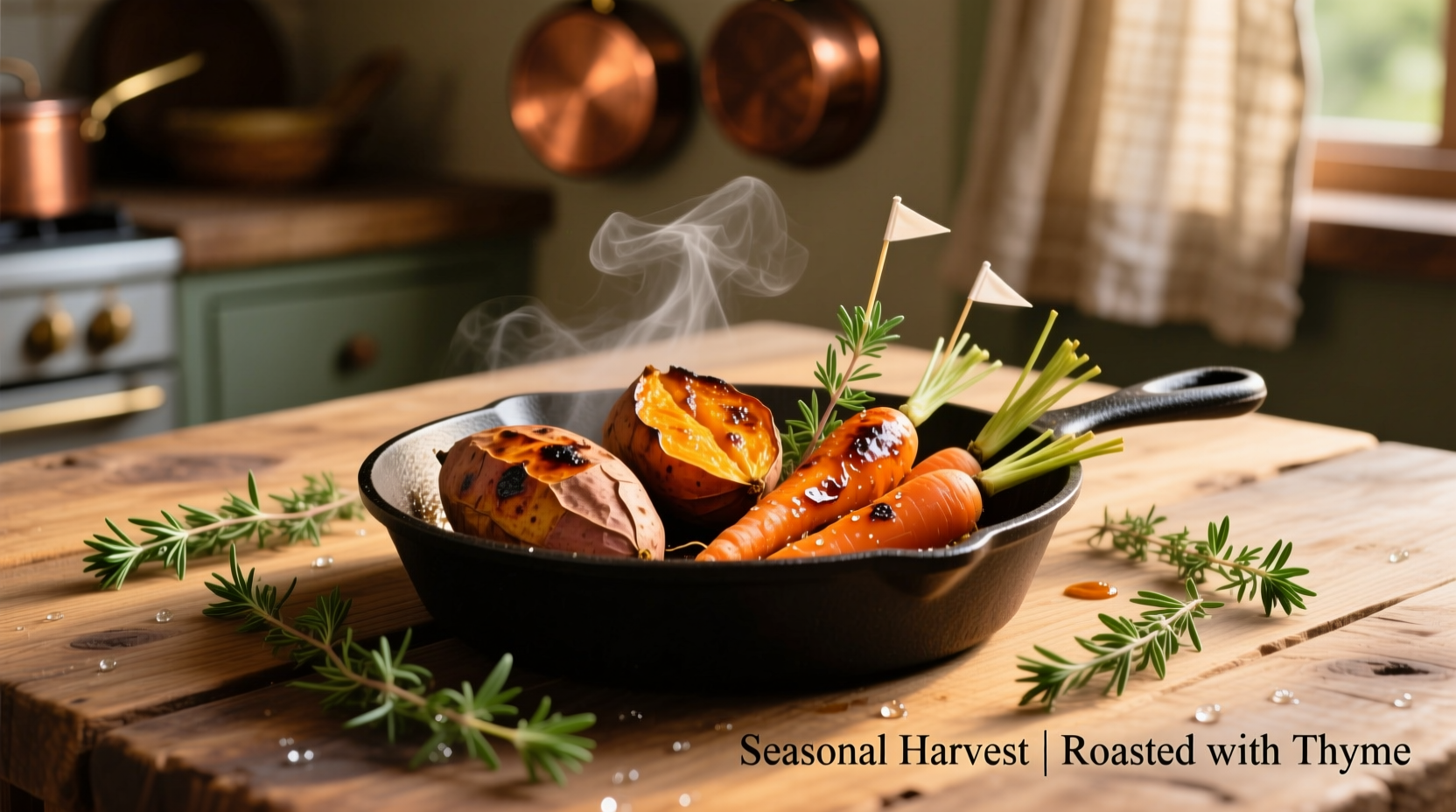
- 1 tsp fresh thyme leaves - Bright herbal notes that cut through richness
- 0.5 tsp sea salt - Enhances natural flavors and promotes caramelization
- 0.25 tsp black pepper - Releases compounds that boost nutrient absorption
Professional chefs know that the salt-to-vegetable ratio is critical—too little and flavors remain flat, too much and you lose the vegetables' natural sweetness. This precise 0.5% salt ratio by weight creates perfect seasoning without overwhelming.
Step-by-Step Preparation Guide
Follow these professional kitchen techniques for consistently perfect results:
- Prep vegetables properly: Cut sweet potatoes into 3/4-inch cubes (they cook slower than carrots). Slice carrots into 1/4-inch thick coins, then halve coins for even cooking. Pro tip: Keep pieces uniform—varying sizes cause uneven cooking.
- Season strategically: Toss vegetables with olive oil first (creates barrier against moisture loss), then add dry spices. This prevents spices from burning during roasting.
- Roast at optimal temperature: Spread in single layer on parchment-lined baking sheet. Roast at 400°F for 25-30 minutes, flipping halfway. Vegetables are done when fork-tender with caramelized edges.
- Finish with fresh elements: Remove from oven, immediately toss with fresh thyme and a squeeze of orange juice (1/4 orange). The acid brightens flavors and enhances nutrient absorption.
Avoid These Common Mistakes
Even experienced home cooks make these critical errors with sweet potato and carrot recipes:
- Crowding the pan: Overlapping vegetables steam instead of roast. Use two baking sheets if necessary—proper air circulation creates crisp edges.
- Underseasoning: Root vegetables need more seasoning than delicate produce. That 0.5% salt ratio is scientifically optimal for flavor perception.
- Peeking too often: Opening the oven door drops temperature significantly. Set a timer and resist checking before the 20-minute mark.
- Serving immediately: Let roasted vegetables rest 5 minutes after cooking. This allows starches to set, preventing mushiness when served.
Nutritional Powerhouse Breakdown
One serving (about 1.5 cups) delivers remarkable nutritional benefits according to USDA FoodData Central:
| Nutrient | Amount per Serving | Daily Value % | Health Benefit |
|---|---|---|---|
| Vitamin A (as beta-carotene) | 10,000 mcg RAE | 1,111% | Supports vision, immune function, skin health |
| Vitamin C | 28 mg | 31% | Boosts immunity, enhances iron absorption |
| Fiber | 6.5 g | 23% | Promotes digestive health, stabilizes blood sugar |
| Potassium | 680 mg | 15% | Regulates blood pressure, supports nerve function |
The Academy of Nutrition and Dietetics confirms that the vitamin A in this sweet potato and carrot combination is significantly more bioavailable when consumed with the healthy fats from olive oil—making this recipe nutritionally superior to eating these vegetables raw or boiled. This synergy between fat-soluble vitamins and dietary fats represents perfect nutrient pairing.
Variations for Every Dietary Need
This base recipe adapts beautifully to various dietary requirements while maintaining flavor integrity:
- Vegan version: Add 2 tbsp tahini and 1 tbsp maple syrup after roasting for creamy sweetness
- Low-sodium option: Replace salt with 1 tsp nutritional yeast for umami depth
- Spicy kick: Add 0.25 tsp cayenne with dry spices for subtle heat that complements sweetness
- Meal prep friendly: Roast vegetables, then store in airtight container for up to 4 days. Reheat in oven (not microwave) to maintain texture
Food scientists at the James Beard Foundation note that adding acidic elements like citrus or vinegar after cooking preserves texture better than adding them before roasting—a crucial technique for meal-preppers wanting to avoid mushy vegetables later in the week.
Serving Suggestions That Elevate This Dish
Transform this simple sweet potato and carrot recipe from side dish to centerpiece with these chef-approved pairings:
- Protein partners: Pair with grilled salmon (omega-3s enhance vitamin absorption) or lemon-herb chicken
- Texture contrast: Top with toasted pumpkin seeds or chopped pecans for crunch
- Flavor boosters: Add crumbled goat cheese or feta for tangy counterpoint to sweetness
- Complete meal: Serve over quinoa with black beans for a vegetarian power bowl
Remember that flavor balance follows the culinary triangle: sweet (vegetables), salty (finishing salt), and acidic (citrus finish). Never skip that final squeeze of orange juice—it's the secret weapon that makes restaurant-quality dishes stand out.




 浙公网安备
33010002000092号
浙公网安备
33010002000092号 浙B2-20120091-4