
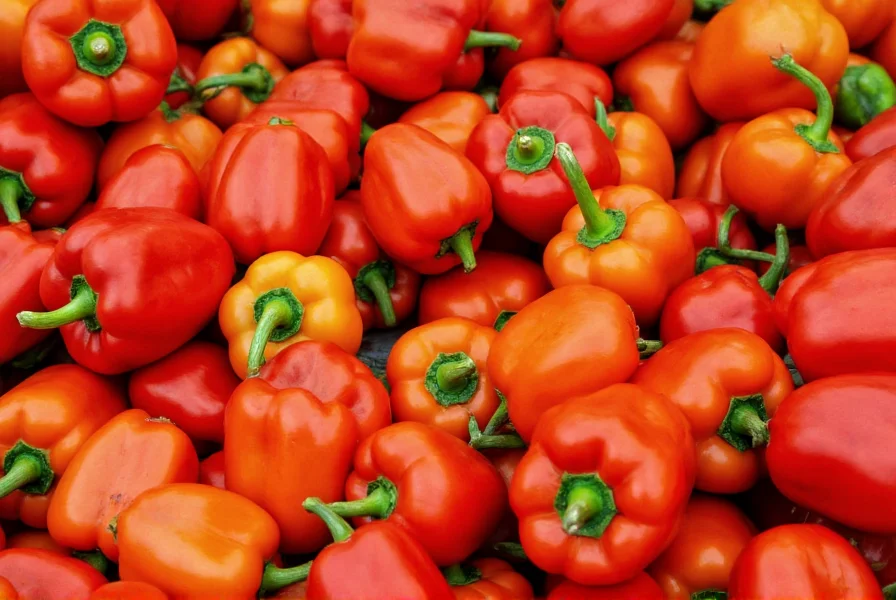
Understanding the diverse world of sweet pepper varieties helps gardeners and cooks make informed choices. Unlike hot peppers containing capsaicin, sweet peppers provide crisp textures and varying flavor notes without heat, making them versatile kitchen staples. This comprehensive guide explores the most popular sweet pepper varieties, their distinctive characteristics, and optimal uses.
Understanding Sweet Peppers
Sweet peppers belong to the Capsicum annuum species but lack significant capsaicin due to a recessive gene (pun1) that suppresses production of this compound, resulting in true non-pungency (0 Scoville Heat Units). This genetic distinction separates them from even mild hot peppers. As peppers mature, enzymatic processes convert starches to sugars while carotenoid pigments replace chlorophyll, enhancing sweetness and nutritional value—a biochemical transformation confirmed by research at the University of Vermont Extension.
Popular Sweet Pepper Varieties
Bell Peppers
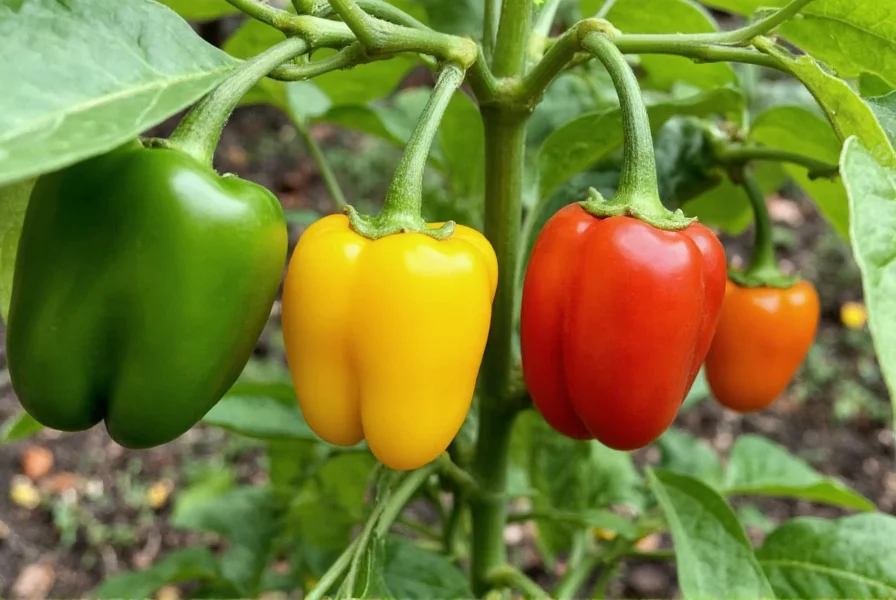
Bell peppers represent the most widely recognized sweet pepper varieties, featuring blocky shapes and four lobes. Their color progression follows a natural maturation pattern:
- Green bell peppers - Harvested immature, offering grassy flavor and firm texture
- Yellow bell peppers - Intermediate stage with developing sweetness
- Orange bell peppers - Further maturity with increased sugar content
- Red bell peppers - Fully mature with highest sweetness and vitamin content
- Purple and chocolate varieties - Specialty types with unique pigmentation
The maturation timeline reveals critical biochemical changes: green peppers reach harvest readiness in 65-75 days after transplanting, while full ripening to red requires an additional 20-25 days (85-95 days total). This extended period allows for significant nutrient development, with vitamin C increasing by 30% and beta-carotene by 200% during the final ripening phase (University of Florida IFAS Extension, 2022).
Cubanelle Peppers
Often called "frying peppers," Cubanelles feature thin walls, elongated shape, and pale yellow-green color. These sweet pepper varieties for container gardening perform well in limited spaces and mature in approximately 65 days. Their delicate flavor makes them ideal for sautéing, stuffing, and pickling.
Banana Peppers
Misleadingly named, these sweet varieties resemble bananas in shape but not flavor. They transition from yellow to red as they mature, offering mild, slightly tangy flavor. Gardeners seeking best sweet pepper varieties for gardening appreciate their high yields and disease resistance. Both sweet and hot varieties exist, so verify seed packets carefully.
Pimento Peppers
These heart-shaped peppers deliver exceptional sweetness with thick walls, making them perfect for stuffing and roasting. Traditionally used for pimento cheese and jarred pimentos, they require a long growing season (80+ days). Their deep red color indicates high lycopene content.
| Variety | Days to Maturity | Flavor Profile | Best Uses | Special Characteristics |
|---|---|---|---|---|
| Bell Peppers | 60-80 | Mild, grassy to sweet | Raw, grilling, stuffing | Color changes indicate maturity |
| Cubanelle | 65-75 | Delicate, mild sweetness | Frying, pickling, stuffing | Excellent for containers |
| Banana | 70-75 | Subtly tangy, sweet | Pickling, salads, sandwiches | High yield, disease resistant |
| Pimento | 80-90 | Exceptionally sweet | Stuffing, roasting, cheese spreads | Thick walls, high lycopene |
| Shishito | 60-70 | Peppery with occasional heat | Blistering, grilling, appetizers | 1 in 10 may have mild heat |
| Nutritional Evidence: Red bell peppers provide 128mg vitamin C (142% DV) per 100g (USDA FoodData Central, 2023). Pimentos contain 15-30mg lycopene per 100g, a carotenoid antioxidant with documented cardiovascular benefits (American Journal of Clinical Nutrition, 2021). | ||||
Gypsy Peppers
This hybrid variety offers early maturity (60 days) with crinkled skin and tapered shape. Gypsy peppers transition from green to red, providing complex flavor with hints of earthiness. They represent excellent sweet pepper varieties for home gardens due to their adaptability and consistent production.
Sweet Italian Frying Peppers
Similar to Cubanelles but slightly hotter (though still classified as sweet), these long, thin peppers feature glossy skin and tapered ends. They're essential for preparing traditional Italian dishes like peperonata and perform well in both cool and warm climates.
Shishito Peppers
Originating in Japan, these slender green peppers typically register as sweet with only about 10% developing mild heat. Their thin walls make them perfect for quick cooking methods. When exploring comparing sweet pepper varieties by flavor profile, Shishitos offer unique versatility as they're mostly sweet with occasional surprises.
Growing Sweet Pepper Varieties
Successful cultivation requires strict adherence to context boundaries that significantly impact yield and quality:
- Temperature - Productive growth occurs only between 70-85°F (21-29°C); below 60°F (15°C) causes blossom drop, while above 90°F (32°C) inhibits fruit set (Cornell University Cooperative Extension)
- Container Constraints - For container gardening: Minimum 5-gallon pots required (smaller containers reduce yields by 40%+); soil volume must exceed 3 gallons per plant; in temperatures above 90°F, dark containers require afternoon shading to prevent root damage (University of Minnesota Extension)
- Soil - Well-draining soil with pH 6.0-6.8 and ample organic matter
- Water - Consistent moisture without waterlogging (1-2 inches weekly); fluctuations cause blossom-end rot
These context boundaries explain why container gardening fails in extreme climates without adjustments. Start seeds indoors 8-10 weeks before last frost for optimal results.
Culinary Applications
Each sweet pepper variety contributes unique qualities to dishes:
- Bell peppers - Ideal for raw applications, fajitas, and stuffed dishes
- Cubanelles - Perfect for Italian and Mediterranean cooking
- Banana peppers - Excellent for sandwiches and pickling
- Pimentos - Traditional for cheese spreads and roasting
- Shishitos - Best quickly blistered with sea salt as appetizers
When selecting peppers at market, choose those with firm, glossy skin and heavy weight for their size. Store unwashed peppers in the crisper drawer for up to two weeks. For long-term storage, freeze roasted peppers in airtight containers.
Selecting Sweet Peppers for Your Needs
Consider these evidence-based factors when choosing varieties:
- Growing season length - Match varieties to your climate's frost-free period (e.g., Gypsy for short seasons)
- Space requirements - Compact varieties suit container gardening but require strict boundary adherence
- Culinary chemistry - Wall thickness affects caramelization; sugar content determines roasting suitability
- Disease resistance - TMV-resistant varieties prevent 50-70% yield loss in virus-prone areas (American Phytopathological Society)
Understanding these distinctions helps both home gardeners and cooks maximize the potential of culinary uses for sweet pepper varieties in their kitchens and gardens.




 浙公网安备
33010002000092号
浙公网安备
33010002000092号 浙B2-20120091-4