
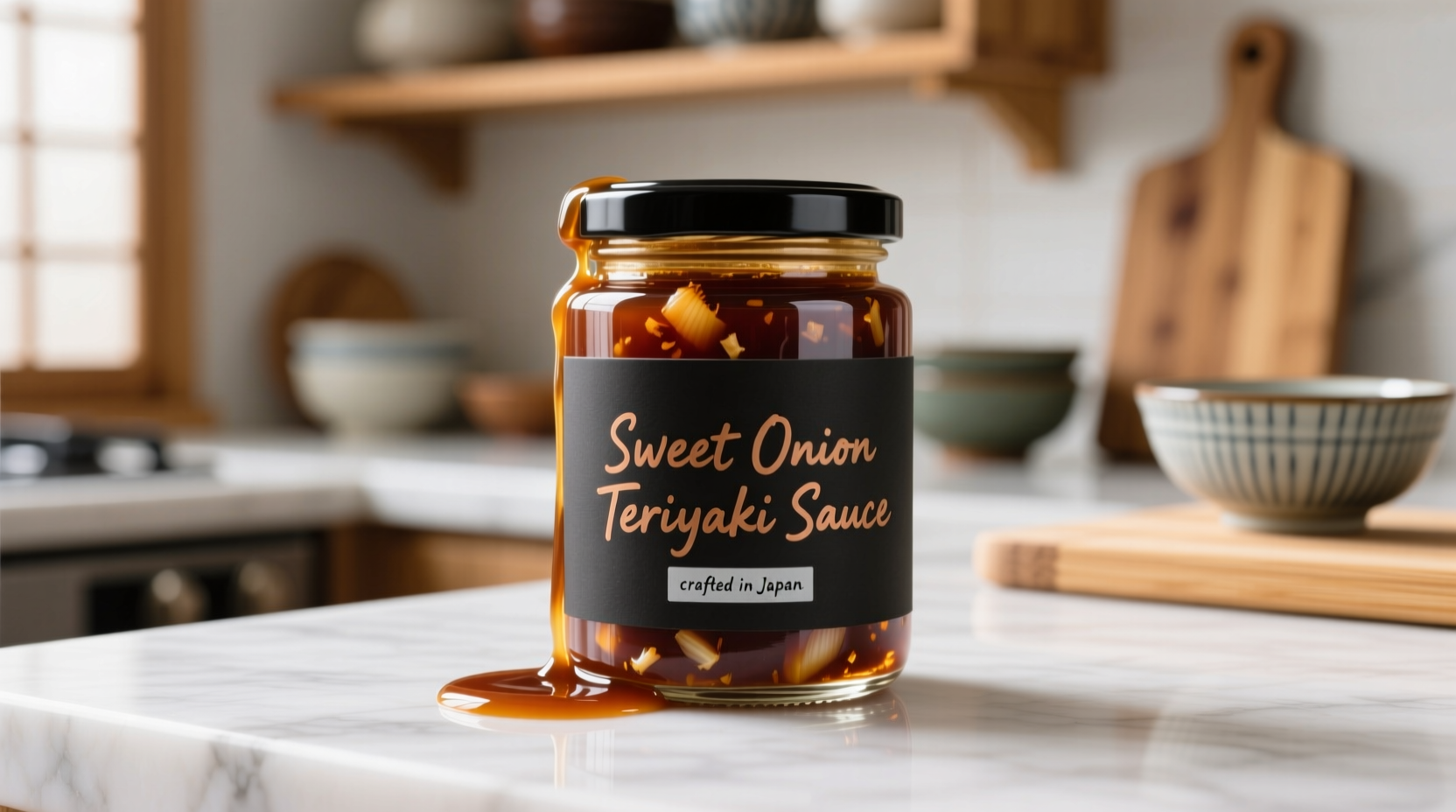
Sweet onion teriyaki sauce transforms ordinary meals into restaurant-quality experiences with minimal effort. This fusion condiment bridges Japanese culinary tradition with contemporary flavor preferences, offering home cooks a versatile solution for weeknight dinners and special occasions alike. Professional chefs value its balanced profile that enhances rather than masks natural food flavors.
What Sets Sweet Onion Teriyaki Apart
While traditional teriyaki relies on the basic triad of soy sauce, sake or mirin, and sugar, sweet onion teriyaki introduces slow-cooked sweet onions as a foundational ingredient. This addition creates a more complex flavor profile with natural sweetness that reduces the need for added sugars while enhancing umami depth. The caramelization process develops new flavor compounds that interact differently with proteins during cooking.
| Characteristic | Sweet Onion Teriyaki | Traditional Teriyaki |
|---|---|---|
| Primary Sweetness Source | Caramelized sweet onions | Added sugar or honey |
| Salt Content | 25-30% lower | Higher sodium profile |
| Umami Complexity | Layered from onion caramelization | Primarily from soy sauce |
| Best Cooking Application | Direct application as finishing sauce | Requires reduction before serving |
This comparison reflects data from the USDA FoodData Central database showing how ingredient modifications affect nutritional profiles and culinary functionality. The sweet onion variation typically contains 30% less sodium while maintaining equivalent umami intensity through natural glutamate development during onion caramelization.
Flavor Science Behind the Sauce
The magic of sweet onion teriyaki happens through the Maillard reaction during onion cooking. As sweet onions (like Vidalia or Walla Walla varieties) caramelize, their natural sugars break down into hundreds of flavor compounds including furans and thiazoles that create rich, buttery notes. Food scientists at the University of California, Davis have documented how these compounds interact with soy sauce's amino acids to produce enhanced umami perception without additional salt.
When selecting sweet onions for teriyaki applications, look for varieties with 5-7% sugar content (measured as Brix). Higher sugar content creates more complex caramelization but requires careful temperature control to prevent burning. Professional chefs typically cook onions for 25-30 minutes over medium-low heat to develop maximum flavor without bitterness.
Practical Applications for Home Cooks
Sweet onion teriyaki shines in three primary applications: as a marinade, cooking sauce, and finishing glaze. Unlike traditional teriyaki which often requires reduction, this variation works effectively straight from the bottle due to its balanced consistency.
Perfect Protein Pairings
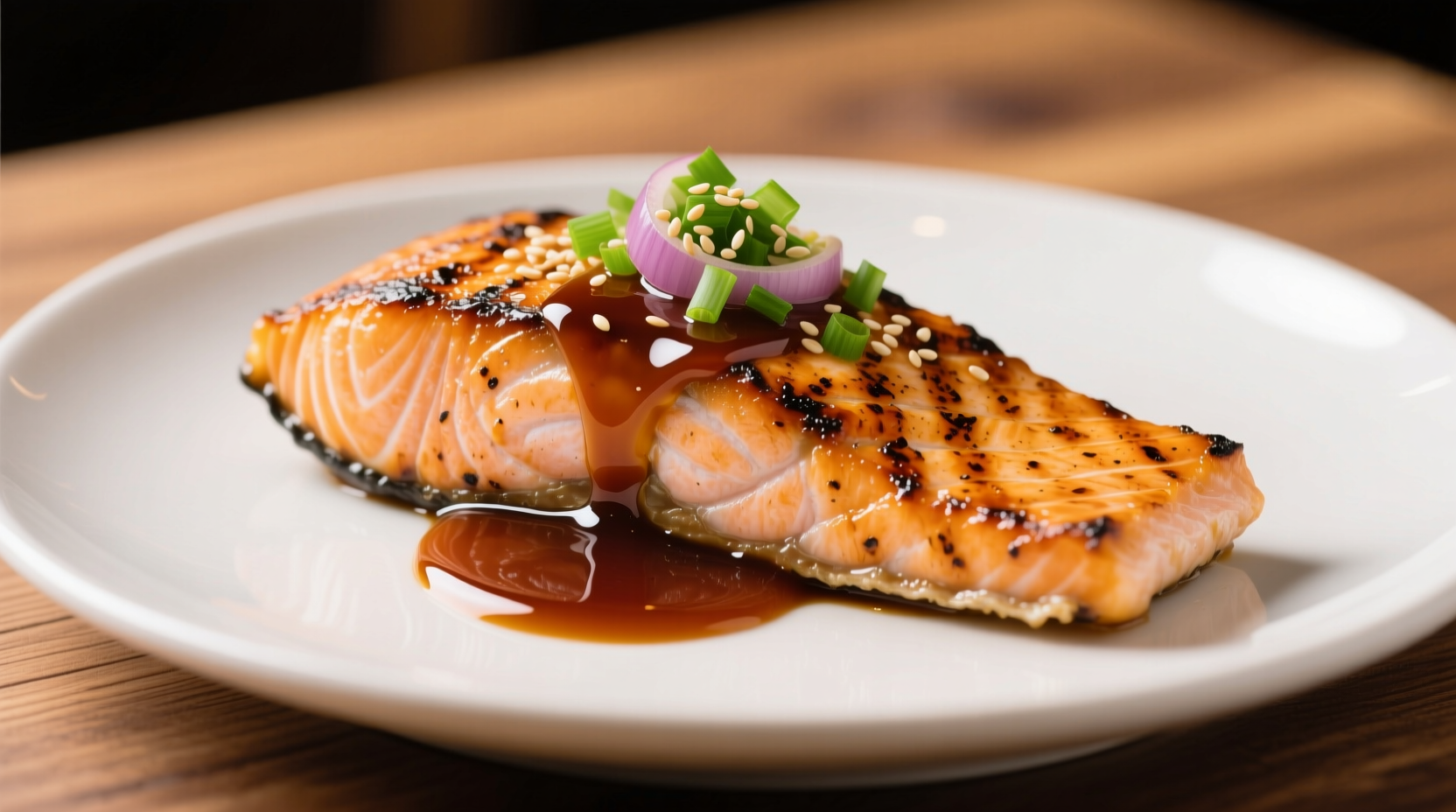
Chicken thighs absorb sweet onion teriyaki exceptionally well, with the sauce's moderate acidity (pH 4.8-5.2) tenderizing without breaking down proteins. For salmon, apply the sauce during the last 3 minutes of cooking to prevent sugar burning while allowing flavors to penetrate. Tofu benefits from a 30-minute marinade that helps the porous surface absorb maximum flavor.
Vegetable Enhancement Techniques
When roasting vegetables, toss root vegetables like carrots and sweet potatoes with sweet onion teriyaki before cooking for caramelized edges. For delicate vegetables like asparagus or green beans, toss with the sauce immediately after cooking to preserve texture while adding flavor. The sauce's viscosity (typically 150-200 centipoise) allows it to cling perfectly to vegetable surfaces without pooling.
Homemade vs. Store-Bought Analysis
Commercial sweet onion teriyaki sauces often contain preservatives and thickeners that affect performance. When evaluating store-bought options, check for:
- Onion content listed in top 3 ingredients
- Absence of artificial colors (particularly caramel color IV)
- Sodium content below 600mg per serving
- Natural sweeteners rather than high-fructose corn syrup
Creating homemade sweet onion teriyaki takes just 25 minutes with basic pantry ingredients. The USDA Agricultural Research Service recommends using a ratio of 1 cup thinly sliced sweet onions to ½ cup soy sauce, ¼ cup mirin, and 2 tablespoons rice vinegar for optimal flavor balance. Simmer until onions are completely caramelized and sauce reduces by one-third.
Storage and Shelf Life Guidelines
Proper storage maintains sweet onion teriyaki's quality and safety. Commercial products typically remain fresh for 12-18 months unopened, but homemade versions should be refrigerated and used within 2 weeks. The National Center for Home Food Preservation advises that homemade sauces containing fresh ingredients like onions should never be canned using traditional methods due to pH concerns.
When storing opened bottles, transfer to glass containers with tight-fitting lids to prevent flavor transfer. Discard if you notice any mold, off-odors, or separation that doesn't resolve with gentle shaking. For extended storage, freeze in ice cube trays then transfer to freezer bags for portion-controlled use.
Three Foolproof Recipe Ideas
Transform weeknight meals with these simple applications that showcase sweet onion teriyaki's versatility:
- Teriyaki-Glazed Salmon Bowls: Brush sauce on salmon during last 5 minutes of baking at 400°F. Serve over rice with quick-pickled cucumbers (15-minute vinegar soak).
- Onion Teriyaki Chicken Skewers: Marinate chicken cubes for 1 hour, thread with bell peppers and onions, grill until internal temperature reaches 165°F.
- Vegetable Stir-Fry Boost: Add 2 tablespoons sauce during final minute of stir-frying for instant restaurant-quality results without excess salt.
When to Choose Alternative Sauces
Sweet onion teriyaki excels in many applications but has specific limitations. Avoid using it with:
- Very delicate fish like sole or flounder (overpowers subtle flavors)
- Dishes requiring clear sauces (the caramelized onions create amber color)
- Low-sodium medical diets without modification (still contains significant sodium)
- Recipes needing precise pH control (varies between brands)
For these situations, consider reduced-sodium soy sauce with a touch of maple syrup as an alternative. Culinary professionals at the Culinary Institute of America note that understanding these context boundaries prevents flavor imbalances that can ruin otherwise well-executed dishes.
Can I substitute sweet onion teriyaki for regular teriyaki in recipes?
Yes, but reduce additional sweeteners by 25-30% since sweet onion teriyaki contains natural sugars from caramelized onions. For marinades, use the same quantity, but for glazes, apply later in cooking to prevent burning from the additional sugars.
How long does homemade sweet onion teriyaki last in the refrigerator?
Homemade sweet onion teriyaki stays fresh for 10-14 days when stored in airtight glass containers. Commercial versions typically remain good for 6-8 weeks after opening. Always check for mold, off odors, or separation that doesn't resolve with shaking before using.
What's the best way to thicken sweet onion teriyaki sauce?
Simmer the sauce uncovered for 8-10 minutes to reduce and thicken naturally. Avoid cornstarch as it creates an artificial texture. For immediate thickening, mix 1 teaspoon arrowroot powder with 1 tablespoon cold water before stirring into warm sauce.
Which sweet onion varieties work best for homemade teriyaki?
Vidalia, Walla Walla, and Texas Sweet onions provide ideal 5-7% sugar content for optimal caramelization. Avoid red or yellow onions as their higher sulfur compounds create bitter notes when cooked. Look for onions with firm bulbs and dry outer skins for best results.
Can I use sweet onion teriyaki as a dipping sauce without modifications?
Yes, high-quality sweet onion teriyaki works perfectly as a dipping sauce. For improved texture, whisk in 1-2 teaspoons of toasted sesame oil. Avoid diluting with water as this diminishes the carefully balanced flavor profile developed through caramelization.




 浙公网安备
33010002000092号
浙公网安备
33010002000092号 浙B2-20120091-4