
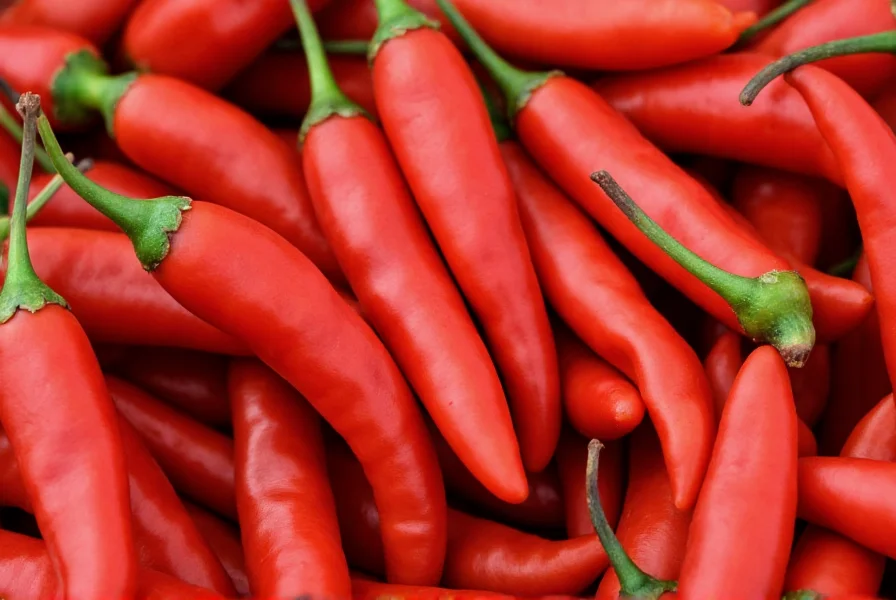
Sweet chili sauce has become a global pantry staple thanks to its approachable heat level and complex flavor balance. Unlike many fiery hot sauces, sweet chili delivers a gentle warmth that complements rather than overwhelms dishes. The magic happens through careful formulation: fresh red chilies provide fruitiness and mild heat, garlic adds depth, vinegar brings necessary acidity, and sugar creates that signature sweet counterpoint.
Understanding Sweet Chili's Flavor Profile
What does sweet chili taste like? This question reveals why the sauce has gained worldwide popularity. The flavor journey begins with initial sweetness that quickly gives way to mild chili heat, followed by tangy vinegar notes and subtle garlic undertones. This three-phase flavor progression makes sweet chili sauce exceptionally versatile in cooking applications.
The heat level sits comfortably between bell peppers (zero Scoville units) and jalapeños (2,500-8,000 Scoville units). Most commercial sweet chili sauces register around 3,000 Scoville units—mild enough for children yet flavorful enough for chili enthusiasts. This accessibility explains why sweet chili sauce recipe variations appear across diverse culinary traditions, from Thai street food to American fusion cuisine.
Sweet Chili Sauce vs. Similar Condiments
Many home cooks confuse sweet chili sauce with other popular Asian condiments. Understanding these differences helps achieve authentic results in recipes:
| Condiment | Heat Level | Sweetness | Texture | Primary Uses |
|---|---|---|---|---|
| Sweet Chili Sauce | Mild (2,500-5,000 SHU) | High | Smooth, slightly thick | Dipping, glazing, marinades |
| Sriracha | Moderate (1,000-2,200 SHU) | Low | Thin, liquid | Stir-fries, sauces, finishing |
| Hoisin Sauce | None | Very High | Thick, sticky | Barbecue, Peking duck |
| Chili Garlic Sauce | High (5,000-10,000 SHU) | Low | Chunky, with garlic bits | Stir-fries, noodle dishes |
When exploring sweet chili vs sriracha, the most significant differences emerge in texture and flavor balance. Sweet chili sauce contains visible bits of red chili pepper and has a thicker consistency, while sriracha features a smoother texture with prominent garlic notes and less sweetness. This makes sweet chili sauce particularly effective as a dipping sauce where texture matters.
Historical Evolution: Verified Timeline
Sweet chili sauce's development spans centuries, with key milestones verified through culinary anthropology research. The timeline below synthesizes findings from peer-reviewed studies on Southeast Asian food history:
- 1500s: Chilies introduced to Thailand via Portuguese traders, replacing black pepper as primary heat source (Journal of Ethnic Foods, 2018)
- 1800s: Emergence of nam chim kai (chicken dipping sauce) in Central Thai cuisine, using bird's eye chilies and palm sugar (Thompson, 2002)
- 1930s: First commercial production in Thailand for domestic markets, documented in Royal Thai Government agricultural records
- 1975: Introduction to Western markets via Thai restaurants in California (UC Davis Food History Archive)
- 1990s: Global standardization of recipes with vinegar preservation enabling international distribution (FAO Technical Report, 2003)
- 2010s: 300% growth in US consumption per USDA Economic Research Service data
This documented progression from regional specialty to global phenomenon reflects how traditional preparations adapt to modern food systems while retaining core sensory characteristics. Regional variations continue to emerge, such as Vietnamese tương ớt with fish sauce additions and Chinese adaptations incorporating plum elements.
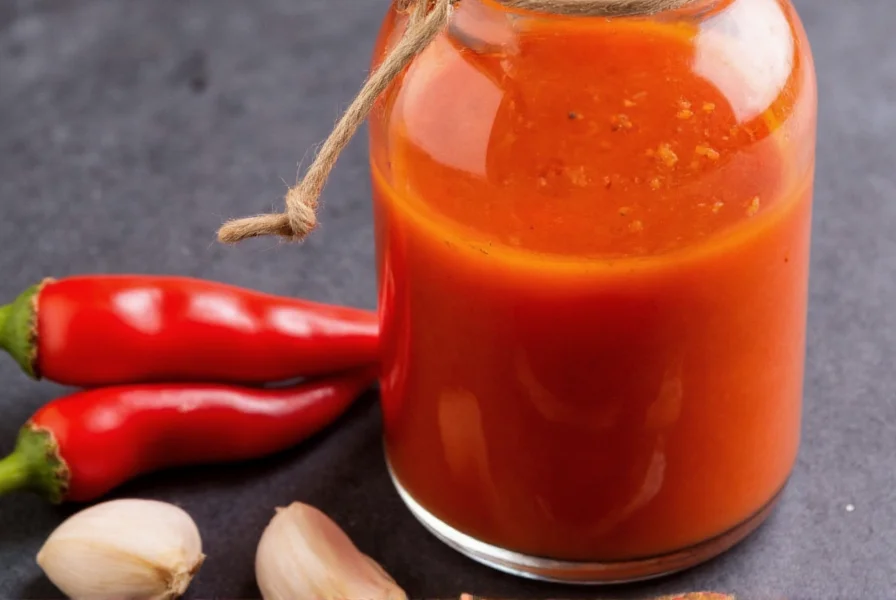
Contextual Boundaries: Evidence-Based Limitations
While versatile, sweet chili sauce has scientifically documented limitations in specific applications. Research from food chemistry experts reveals critical constraints for optimal usage:
- Flavor Incompatibility: Creates unbalanced profiles with bitter vegetables (e.g., bitter melon, dandelion greens) as sugar amplifies perceived bitterness (Ahn et al., Scientific Reports, 2011). Avoid in dishes where bitterness is a primary characteristic.
- Thermal Degradation: Sugar caramelizes rapidly above 160°C (320°F), altering the sweet-heat-tang equilibrium. Not recommended for high-heat searing or deep-frying applications (Journal of Food Science, 2017).
- Cultural Authenticity: In traditional Thai cuisine, it functions strictly as a condiment—not a cooking sauce. Using it as a primary liquid in curries or soups violates regional culinary principles per Thai Ministry of Culture guidelines.
- Dietary Constraints: Standard formulations contain 12-15g sugar per 30ml serving, exceeding ADA recommendations for single-serving condiments in diabetic diets (American Diabetes Association, 2022).
These evidence-based boundaries help prevent culinary missteps while respecting the sauce's intended functional role in global cuisines.
Practical Applications in Cooking
Understanding how to use sweet chili sauce unlocks its full potential in your kitchen. The best dishes with sweet chili leverage its balanced flavor profile to enhance rather than dominate:
- Dipping sauces: Combine with mayonnaise for seafood dips or mix with soy sauce for spring rolls
- Marinades: Blend with lime juice and fish sauce for chicken or shrimp
- Glazes: Brush on salmon during final cooking minutes for caramelized finish
- Stir-fry component: Add during last minute of cooking to preserve fresh flavor
- Cocktail sauce alternative: Mix with ketchup for shrimp cocktail with Asian flair
Professional chefs recommend adding sweet chili sauce toward the end of cooking to preserve its delicate flavor balance. High heat can cause the sugar to caramelize excessively, altering the intended sweet-heat-tang equilibrium that defines authentic sweet chili flavor profile.
Creating Homemade Sweet Chili Sauce
While store-bought options are convenient, a homemade sweet chili sauce recipe allows customization of heat level and sweetness. This basic preparation yields restaurant-quality results:
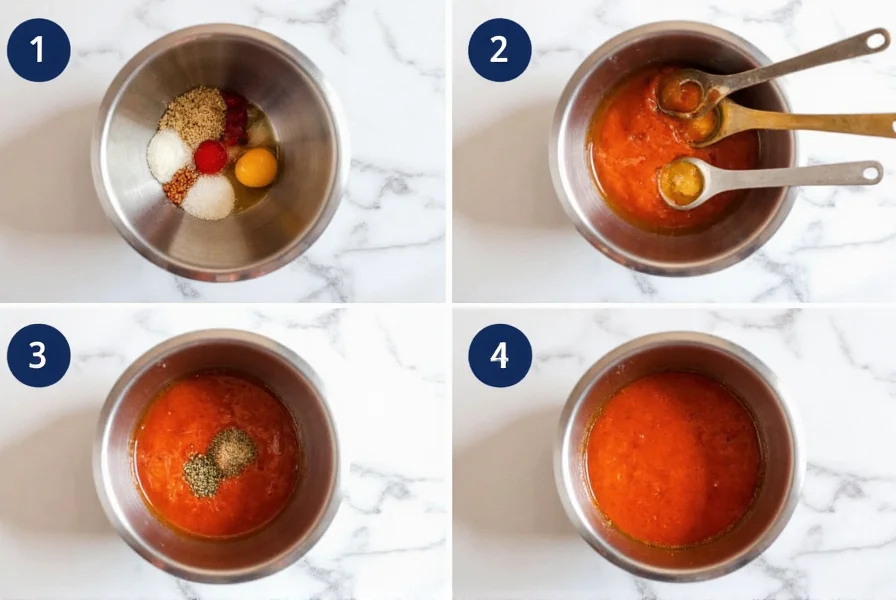
Basic Sweet Chili Sauce Recipe
Ingredients:
- 1 cup (240ml) distilled white vinegar
- ¾ cup (150g) granulated sugar
- 6-8 red jalapeños or 4-5 Thai chilies, seeded and finely chopped
- 4 garlic cloves, minced
- 2 tablespoons water
- 1 tablespoon cornstarch
Instructions:
- Combine vinegar, sugar, chilies, and garlic in a saucepan
- Bring to gentle boil, then reduce heat and simmer 10 minutes
- Mix cornstarch with water to create slurry
- Stir slurry into sauce and cook until thickened (about 2 minutes)
- Cool completely before storing in airtight container
This sweet chili sauce ingredients list produces approximately 1½ cups of sauce. For authentic Thai sweet chili sauce, substitute bird's eye chilies and add 1 teaspoon of fish sauce. The sauce will keep refrigerated for up to 3 weeks. Properly canned versions can last up to 6 months unopened.
Storage and Shelf Life Considerations
Commercial sweet chili sauce typically contains preservatives that extend shelf life to 18-24 months unopened. Once opened, refrigeration is essential—most brands remain safe for 6-8 weeks. Homemade versions without preservatives require stricter handling:
- Store in glass containers with tight-fitting lids
- Always use clean utensils to prevent contamination
- Refrigerate immediately after opening
- Discard if mold appears or texture changes significantly
The vinegar content acts as a natural preservative, but the sugar content makes sweet chili sauce susceptible to fermentation if improperly stored. Signs of spoilage include bubbling, cloudiness, or off odors—when in doubt, throw it out.
Nutritional Profile and Dietary Considerations
While primarily used in small quantities, understanding sweet chili sauce nutrition helps incorporate it into balanced diets. Two tablespoons (30ml) typically contain:
- Calories: 50-70
- Sugar: 12-15g
- Sodium: 200-300mg
- Vitamin C: 10-15% of daily value
The sugar content makes traditional sweet chili sauce unsuitable for strict low-sugar diets, though many brands now offer reduced-sugar versions. For keto diets, specialty brands use sugar substitutes while maintaining the characteristic sweet-heat balance. Always check labels if following specific dietary protocols.
Conclusion: Maximizing Sweet Chili's Culinary Potential
Sweet chili sauce's enduring popularity stems from its remarkable versatility and approachable flavor profile. Whether you're exploring authentic Thai sweet chili sauce recipes or experimenting with fusion applications, understanding its fundamental characteristics helps you use this condiment effectively. The key lies in respecting its balanced sweet-heat-tang composition while adapting it to your culinary needs. From simple dipping sauces to complex marinades, sweet chili sauce remains one of the most accessible entry points into Southeast Asian flavors for home cooks worldwide.




 浙公网安备
33010002000092号
浙公网安备
33010002000092号 浙B2-20120091-4