

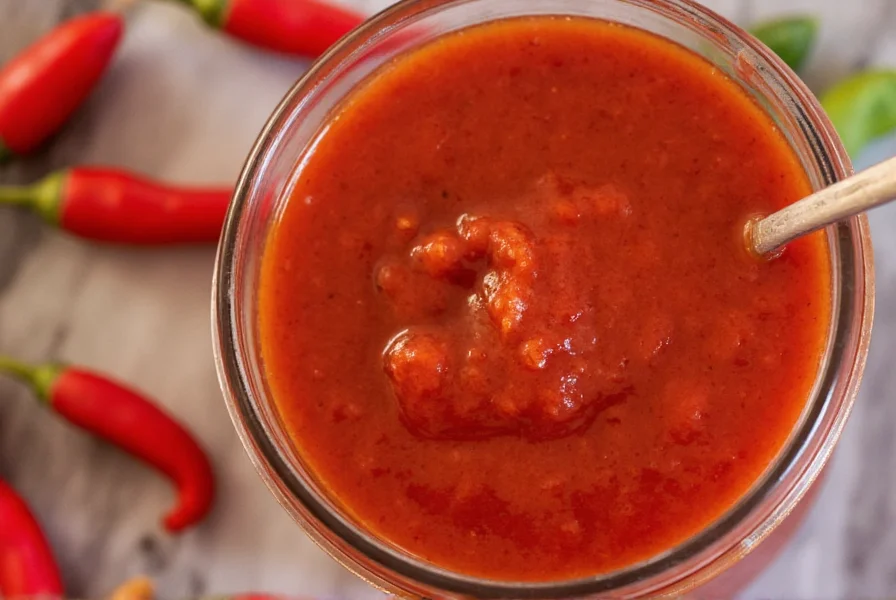
Sweet and chili sauce has become a staple in kitchens worldwide, appreciated for its perfect harmony of contrasting flavors. Unlike many hot sauces that focus solely on heat, this condiment masterfully balances sweetness with moderate spiciness, creating a complex flavor profile that enhances rather than overwhelms dishes. The sauce typically features a smooth, slightly thick consistency that clings well to foods, making it equally effective as a dipping sauce or cooking ingredient.
Core Ingredients and Flavor Profile
The magic of authentic sweet and chili sauce lies in its carefully balanced ingredients. Traditional recipes combine:
- Fresh red chili peppers (providing moderate heat)
- Garlic (adding depth and aroma)
- Vinegar (contributing tanginess and preservation)
- Sugar (creating the signature sweetness)
- Salt (enhancing overall flavor)
- Thickening agents like cornstarch (for proper consistency)
What distinguishes sweet chili sauce from other hot sauces is its measured heat level—typically ranging from mild to medium on the spiciness scale. The sugar content counterbalances the chili heat, while vinegar provides necessary acidity to prevent the sauce from tasting cloying. This careful equilibrium makes it accessible to those who might avoid extremely spicy condiments while still delivering satisfying flavor complexity.
Historical Origins and Cultural Significance
Sweet and chili sauce traces its roots to Thailand, where it emerged as a popular street food condiment in the mid-20th century. Unlike traditional Thai nam pla (fish sauce) which emphasizes saltiness, this sauce was developed to appeal to both local and international palates by incorporating more sugar. Its popularity spread rapidly throughout Southeast Asia, with each region developing distinctive variations.
In Thailand, sweet chili sauce ("nam chim kai") is commonly served with grilled chicken and spring rolls. Vietnamese cuisine adapted it as a dipping sauce for fresh spring rolls and banh mi sandwiches. The sauce gained global recognition through the international expansion of Thai restaurants in the 1980s and 1990s, becoming one of the most recognizable Southeast Asian condiments worldwide.
Evolution Timeline: From Street Food to Global Staple
Tracing the sauce's development reveals critical milestones in its globalization. According to scholarly research from the Association for Asian Studies, sweet chili sauce evolved through distinct phases driven by migration and culinary exchange:
- 1930s-1940s: Originated in Thai street food stalls as a dipping sauce for grilled meats, using locally available bird's eye chilies and palm sugar
- 1950s-1960s: Spread to Vietnamese and Malaysian communities through regional trade routes, with adaptations incorporating tamarind and shallots
- 1970s: Introduced to Western markets via Thai immigrant communities in California and Australia
- 1985-1995: Commercial production scaled globally following the "Thai Food Miracle" tourism campaign by Thailand's Department of Export Promotion
- 2000s-Present: Integrated into mainstream Western cuisine through supermarket distribution and fusion cooking trends
This trajectory demonstrates how cultural exchange transformed a regional specialty into a global pantry staple, as documented in the Association for Asian Studies' analysis of Southeast Asian culinary globalization (From Thai Street Food to Global Cuisine).
Regional Variations Across Southeast Asia
While the basic formula remains consistent, regional differences create distinctive flavor experiences:
| Region | Distinctive Characteristics | Common Uses |
|---|---|---|
| Thailand | Moderate sweetness, visible garlic pieces, slightly thinner consistency | Dipping for grilled meats, spring rolls, and seafood |
| Vietnam | Higher sweetness, sometimes includes tamarind for extra tang | Dipping sauce for fresh spring rolls and banh mi |
| Malaysia/Singapore | Balanced sweet-heat ratio, often includes shallots | Accompaniment for satay and fried foods |
| Western Commercial | Thicker consistency, more pronounced sweetness, less complex flavor | Versatile dipping and cooking sauce |
Context Boundaries: Optimal Applications and Limitations
Understanding where sweet chili sauce excels—and where it falls short—is crucial for professional results. Food science research from Cornell University identifies specific constraints:
Ideal Applications:
- Finishing sauces added after cooking (preserves volatile flavor compounds)
- Marinades for proteins with 30-60 minute exposure (prevents texture degradation)
- Dipping sauces for foods below 140°F (160°C) to maintain viscosity
Key Limitations:
- High-heat cooking: Sugar caramelizes at 320°F (160°C), causing bitterness in stir-fries above medium heat. As Cornell's Food Science Department notes: "Sauces with >20% sugar content undergo rapid Maillard browning beyond 160°C, producing acrylamide compounds that compromise flavor" (Cornell Food Science)
- Dietary restrictions: Unsuitable for sugar-restricted diets without modification (typically 25g sugar per 100g)
- Flavor incompatibility: Overwhelms delicate proteins like sole or poached chicken; avoid in dishes requiring neutral acidity profiles
These boundaries explain why professional chefs reserve sweet chili sauce for specific applications rather than universal substitution.
Distinguishing Sweet Chili Sauce from Similar Condiments
Many consumers confuse sweet chili sauce with other popular Asian sauces. Understanding these differences helps select the right condiment for specific culinary applications:
- Sweet chili sauce vs. Sriracha: While both contain chilies and garlic, sriracha is significantly hotter with less sweetness and a garlic-forward flavor. Sriracha functions primarily as a heat source, whereas sweet chili sauce serves as a balanced flavor enhancer.
- Sweet chili sauce vs. Hoisin: Hoisin sauce is much sweeter, thicker, and features fermented soybean and five-spice elements. It lacks the bright acidity of sweet chili sauce and has a more complex, molasses-like sweetness.
- Sweet chili sauce vs. Gochujang: Korean gochujang offers deeper, fermented heat with less pronounced sweetness and a distinctive umami character from fermented soybeans and glutinous rice.
Optimal Culinary Applications and Food Pairings
Sweet and chili sauce's balanced flavor profile makes it remarkably versatile in the kitchen. Professional chefs and home cooks utilize it in three primary ways:
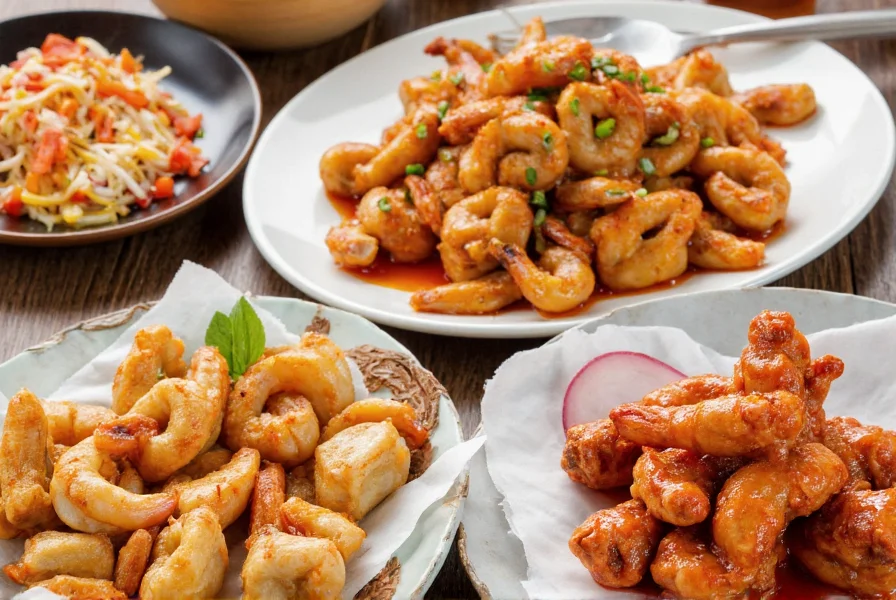
- As a dipping sauce: Perfect for spring rolls, dumplings, grilled shrimp, and chicken wings. The sauce's viscosity allows it to cling to foods without dripping excessively.
- As a marinade component: Combined with lime juice and fish sauce, it creates flavorful marinades for chicken, pork, and seafood. The sugar content helps develop beautiful caramelization during cooking.
- As a stir-fry sauce base: Added during the final stages of stir-frying, it coats ingredients evenly while maintaining its distinctive flavor without breaking down from high heat.
When considering what foods pair well with sweet chili sauce, focus on proteins that benefit from sweet-heat contrast: grilled chicken, shrimp, pork tenderloin, and tofu. It also complements starches like rice noodles and spring roll wrappers. For creative applications, try mixing it with mayonnaise for sandwich spreads or incorporating it into salad dressings for Asian-inspired salads.
Homemade vs. Commercial Sweet Chili Sauce
While store-bought sweet chili sauce offers convenience, homemade versions provide superior flavor complexity and customization options. The primary differences include:
- Ingredient quality: Homemade versions use fresh chilies and garlic rather than powdered forms
- Flavor balance: You can adjust sweetness, heat, and acidity to personal preference
- Texture: Freshly made sauce has a more vibrant, less processed mouthfeel
- Additives: Commercial versions often contain preservatives and thickeners not found in homemade recipes
A basic homemade sweet chili sauce requires just 20 minutes of preparation. Combine 6-8 red jalapeños or Thai chilies, 4 garlic cloves, ½ cup rice vinegar, ½ cup sugar, ¼ cup water, and 1 tablespoon cornstarch. Simmer until thickened, then blend until smooth. The resulting sauce will have brighter, more complex flavors than most commercial alternatives.
Proper Storage and Shelf Life
Understanding proper storage techniques maximizes both safety and flavor retention. Commercial sweet chili sauce typically maintains quality for 12-18 months unopened. Once opened, refrigerate and use within 6 months for optimal flavor. Homemade versions, lacking commercial preservatives, require refrigeration and should be consumed within 3-4 weeks.
When storing sweet chili sauce, always use clean utensils to prevent contamination. The sauce may separate over time—simply shake or stir before use. Discard if you notice mold, off odors, or significant color changes. For extended storage, consider freezing in ice cube trays then transferring to freezer bags for portioned use in future cooking.
Frequently Asked Questions
Is sweet chili sauce gluten-free?
Most traditional sweet chili sauce recipes are naturally gluten-free, as they contain only chilies, garlic, vinegar, sugar, and salt. However, some commercial brands may add wheat-based thickeners or process the sauce in facilities that handle gluten-containing products. Always check the label if you require strictly gluten-free options, and consider making your own to ensure gluten-free preparation.
How spicy is sweet chili sauce compared to other hot sauces?
Sweet chili sauce typically ranges from 500 to 2,500 Scoville Heat Units, making it significantly milder than many hot sauces. For comparison, Tabasco ranges from 2,500-5,000 SHU, while sriracha measures 1,000-2,200 SHU. The sweetness in sweet chili sauce further counteracts the perceived heat, creating a more approachable condiment suitable for those who prefer moderate spice levels.
Can I substitute sweet chili sauce for sriracha in recipes?
You can substitute sweet chili sauce for sriracha in some recipes, but the flavor profile will change significantly. Sweet chili sauce provides sweetness and moderate heat, while sriracha delivers more intense heat with garlic notes but less sweetness. For best results, when substituting sweet chili sauce for sriracha, reduce added sugar in the recipe and potentially increase chili content if more heat is desired. The substitution works best in dipping sauces and marinades rather than applications requiring sriracha's distinctive heat profile.
What's the difference between sweet chili sauce and chili garlic sauce?
Sweet chili sauce contains significant sugar content that balances the chili heat, creating a sweet-spicy-tangy profile. Chili garlic sauce focuses primarily on heat with garlic notes and minimal sweetness. Sweet chili sauce typically has a smoother, more uniform texture, while chili garlic sauce often contains visible garlic and chili pieces. The vinegar content is also higher in sweet chili sauce, giving it a brighter acidity that complements its sweetness.




 浙公网安备
33010002000092号
浙公网安备
33010002000092号 浙B2-20120091-4