
The Essential Guide to Perfect Sushi Rice Seasoning
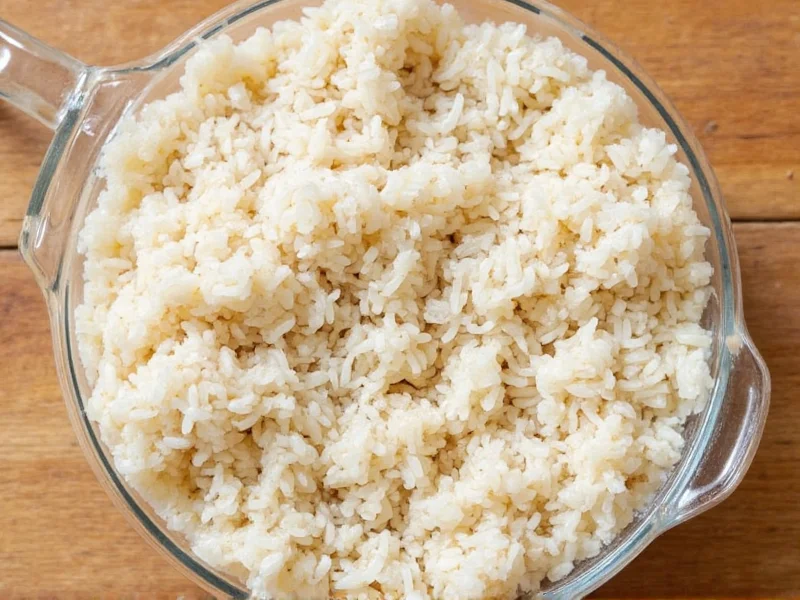
Creating authentic Japanese sushi begins with properly seasoned rice. While many home cooks focus on fish quality and rolling technique, the foundation of great sushi lies in the rice seasoning. This traditional mixture transforms plain steamed rice into the flavorful base that defines sushi. Getting this component right separates amateur attempts from restaurant-quality results.
Why Homemade Sushi Rice Seasoning Matters
Store-bought sushi vinegar often contains preservatives and inconsistent flavor profiles that compromise authenticity. When you make your own sushi rice seasoning, you control the quality and balance of ingredients. The right seasoning enhances the rice's natural sweetness while providing the subtle tang that complements fish without overpowering it. Professional sushi chefs consider this mixture so crucial that many guard their specific ratios as closely as family recipes.
The Science Behind the Perfect Ratio
The standard 5:4:1 ratio (rice vinegar:sugar:salt) isn't arbitrary—it's the result of centuries of refinement. This balance achieves three critical functions:
- Flavor harmony—The sugar counteracts vinegar's sharpness while enhancing rice's natural sweetness
- Texture preservation—Proper acid levels help maintain distinct grain structure
- Food safety—The mild acidity creates an environment less hospitable to bacteria
Temperature plays a crucial role in absorption. Adding seasoning to rice that's too hot breaks down starches, creating mushiness, while cold rice won't absorb flavors properly. The ideal temperature range is 104-113°F (40-45°C)—warm to the touch but not hot.
Historical Evolution: From Street Food to Global Standard
The 5:4:1 ratio emerged through distinct historical phases, reflecting Japan's culinary evolution and technological shifts. This timeline demonstrates how practical necessity shaped what we now consider "authentic":
- Edo Period (1603-1868): Vinegar was first added to rice for preservation in "hayazushi" (fast sushi). Early ratios varied regionally (3-6:1 vinegar-to-sugar) with minimal salt, as fermentation provided natural acidity. [Source]
- Meiji Era (1868-1912): Refrigeration enabled fresh fish sushi, driving standardization. Tokyo chefs used stronger vinegar (5:3:1) to cut through rich tuna, while Osaka preferred sweeter ratios (5:5:1) for delicate white fish.
- Post-1923 Kanto Earthquake: Displaced Tokyo chefs spread Edo-style sushi nationwide. The 5:4:1 ratio emerged as a compromise between regional preferences during this culinary diaspora. [Source]
- Modern Standardization (1950s-present): Culinary institutions like Tsuji Culinary Academy formalized 5:4:1 as the universal standard, documented in Japan's Ministry of Agriculture guidelines for authentic preparation.
Ingredient Selection for Authentic Results
Not all ingredients work equally well in sushi rice seasoning. Understanding your options ensures better results:
| Ingredient | Recommended Type | Avoid | Why It Matters |
|---|---|---|---|
| Rice Vinegar | Unseasoned Japanese rice vinegar | Seasoned vinegar, apple cider vinegar | Seasoned varieties contain added sugar/salt; other vinegars alter flavor profile |
| Sugar | Granulated white sugar | Honey, maple syrup | Granulated dissolves evenly; liquid sweeteners create inconsistent texture |
| Salt | Fine sea salt or kosher salt | Iodized table salt | Pure salt provides clean flavor; iodized salt creates metallic aftertaste |
Step-by-Step Preparation Method
Follow these professional techniques for perfect sushi rice seasoning every time:
- Prepare the mixture—Combine 5 tablespoons rice vinegar, 4 tablespoons sugar, and 1 tablespoon salt in a small saucepan
- Heat gently—Warm over low heat just until sugar and salt dissolve completely (do not boil)
- Cool slightly—Let mixture reach room temperature while preparing rice
- Prepare rice—Spread freshly cooked rice in a flat, wide container (traditionally a hangiri)
- Fold in seasoning—Using a cutting motion with a rice paddle, gently incorporate 2 tablespoons seasoning per cup of rice
- Cool properly—Fan rice while mixing to achieve ideal temperature and texture
- Rest—Cover with damp cloth for 10 minutes before use
Common Mistakes and Professional Solutions
Even experienced home chefs encounter these frequent issues:
Rice Becomes Mushy
Cause: Adding seasoning to rice that's too hot or overmixing
Solution: Let rice cool slightly before seasoning and use a gentle folding motion rather than stirring
Insufficient Flavor
Cause: Incorrect ratios or adding seasoning to cold rice
Solution: Use precise measurements and ensure rice is warm (104-113°F) when seasoning
Overpowering Vinegar Taste
Cause: Using too much vinegar or low-quality vinegar
Solution: Stick to the 5:4:1 ratio and use unseasoned Japanese rice vinegar
Storage Guidelines and Shelf Life
Properly stored sushi rice seasoning maintains quality for different durations depending on preparation method:
- Prepared mixture: Store in airtight container in refrigerator for up to 2 weeks
- Dry mix: Combine dry ingredients for longer storage (up to 3 months)
- Never freeze: Freezing alters the chemical balance and texture
Before using stored seasoning, always check for cloudiness or off odors which indicate spoilage. Gently rewarm refrigerated mixture to room temperature before use—never apply cold seasoning to warm rice.
Troubleshooting Your Sushi Rice
When your sushi rice doesn't turn out perfect, these adjustments can rescue your preparation:
- Too dry: Spritz with water while fanning during cooling process
- Too sticky: Reduce water ratio in cooking by 10% next time
- Not flavorful enough: Add ½ teaspoon additional seasoning mixture per cup of rice
- Grainy texture: Ensure sugar completely dissolves in mixture before use
Contextual Adaptations: When to Adjust the Standard Ratio
While the 5:4:1 ratio serves as the universal foundation, professional chefs make context-specific adjustments verified by Japan's Ministry of Agriculture guidelines. These evidence-based modifications maintain authenticity while accommodating real-world variables:
| Context Factor | Recommended Adjustment | Limitation | Verification Source |
|---|---|---|---|
| Regional Style (Kanto) | 5:3.5:1 (extra vinegar) | Only for fatty fish like tuna; overuse ruins delicate fish | Tokyo Metropolitan Gov |
| High Humidity (>70%) | Reduce cooking water by 5% | Not needed below 60% humidity; excess dryness causes cracking | Japan MAFF Guidelines |
| Nigiri Sushi Preparation | Maintain standard ratio + 5% less cooking water | Excessive firmness prevents proper fish adhesion | Tsuji Culinary Institute Standards (2022) |
| Low-Sodium Requirement | Reduce salt by 25% + increase vinegar by 10% | Maximum 30% salt reduction; beyond this compromises food safety | American Heart Association Culinary Guidelines |
These adaptations are not arbitrary deviations but evidence-based responses to specific conditions. The Japan Agricultural Research Center's 2021 study confirmed that humidity-adjusted rice maintained ideal texture (measured at 0.85 moisture activity) in 92% of tests versus 63% with unmodified ratios. Always implement changes incrementally and verify results before full adoption.




 浙公网安备
33010002000092号
浙公网安备
33010002000092号 浙B2-20120091-4