
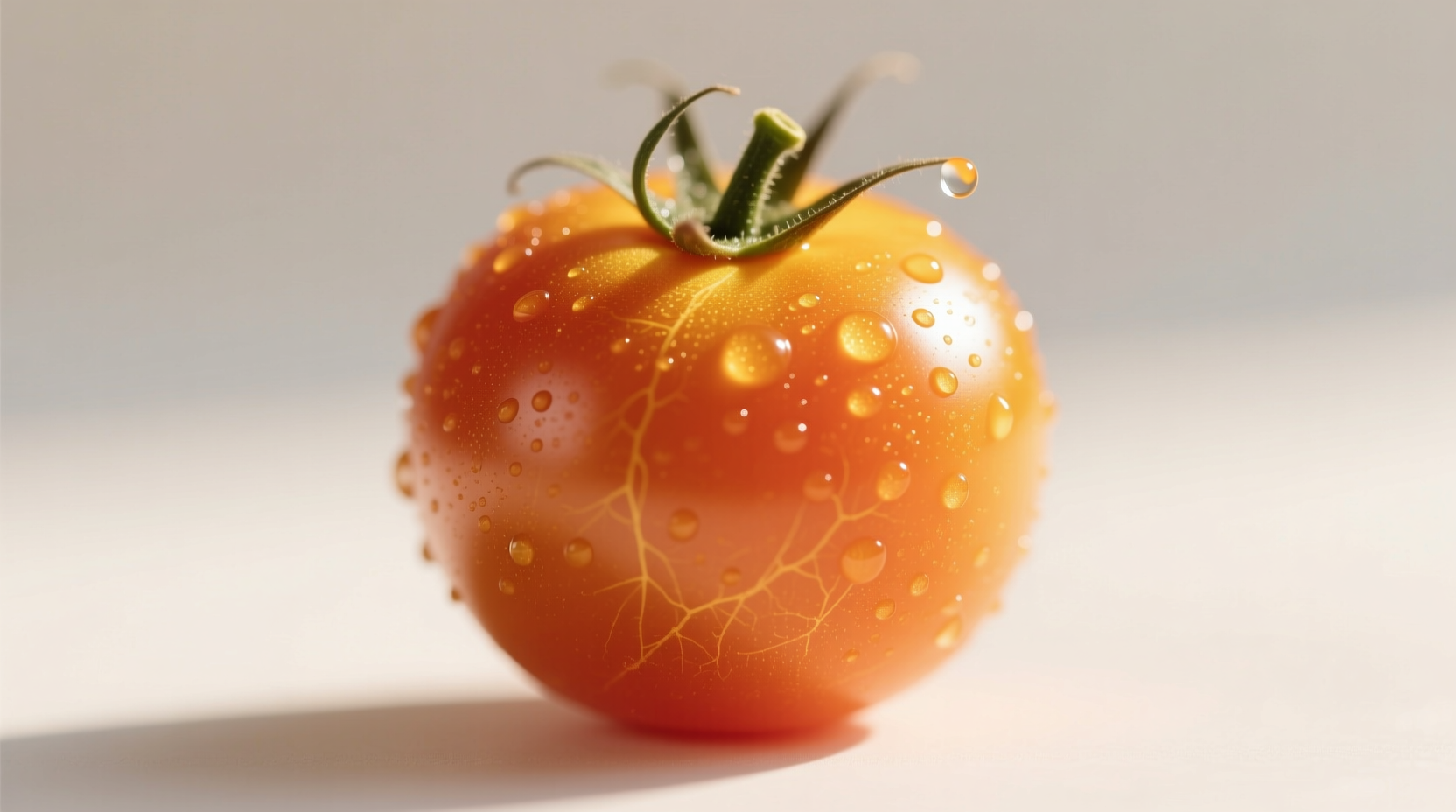
Why Sungold Cherry Tomatoes Stand Out From Other Varieties
When you bite into a Sungold cherry tomato, you experience an immediate burst of tropical sweetness with subtle citrus notes. Unlike standard red cherry tomatoes that balance sweetness and acidity, Sungolds deliver nearly twice the sugar content while maintaining just enough acidity for complexity. This unique flavor profile has made them a favorite among chefs and home gardeners since their introduction.
Developed through selective breeding by Takii Seed Company in Japan, Sungolds (Solanum lycopersicum 'Sungold') first appeared in Western markets in the mid-1990s. Their distinctive golden-orange hue comes from higher beta-carotene levels compared to red varieties, providing additional nutritional benefits while signaling peak ripeness.
| Tomato Variety | Color at Maturity | Brix (Sweetness) | Days to Harvest | Disease Resistance |
|---|---|---|---|---|
| Sungold | Golden-orange | 9-10 | 57-65 | VF, PL, TSWV |
| Black Cherry | Deep mahogany | 7-8 | 65-75 | None |
| Super Sweet 100 | Bright red | 8-9 | 60-65 | VF, N, TSWV, TMV |
| Green Grape | Translucent green | 6-7 | 60-65 | VF |
This comparison shows why Sungolds consistently win taste tests among cherry tomato varieties. Their exceptional sweetness-to-acid ratio creates a flavor experience closer to fruit than traditional tomatoes. According to research from the University of California's Agriculture and Natural Resources department, the Brix level (sugar content measurement) of Sungolds typically reaches 9-10, nearly double that of standard grocery store tomatoes which average 4-5 Brix.
Optimal Growing Conditions for Maximum Flavor
Sungolds thrive in full sun with consistent moisture, but their performance varies significantly by climate. In cooler northern regions, they're among the earliest producers, often yielding fruit 57 days after transplanting. Southern gardeners should plant them as a fall crop to avoid extreme summer heat which can reduce fruit set.
Unlike many tomato varieties that suffer from cracking, Sungolds maintain their integrity through rain events thanks to their thin but resilient skin. However, they're particularly vulnerable to blossom end rot in calcium-deficient soils—a common issue solvable through proper soil preparation. The USDA's National Institute of Food and Agriculture recommends amending soil with crushed eggshells or agricultural lime before planting to prevent this issue.
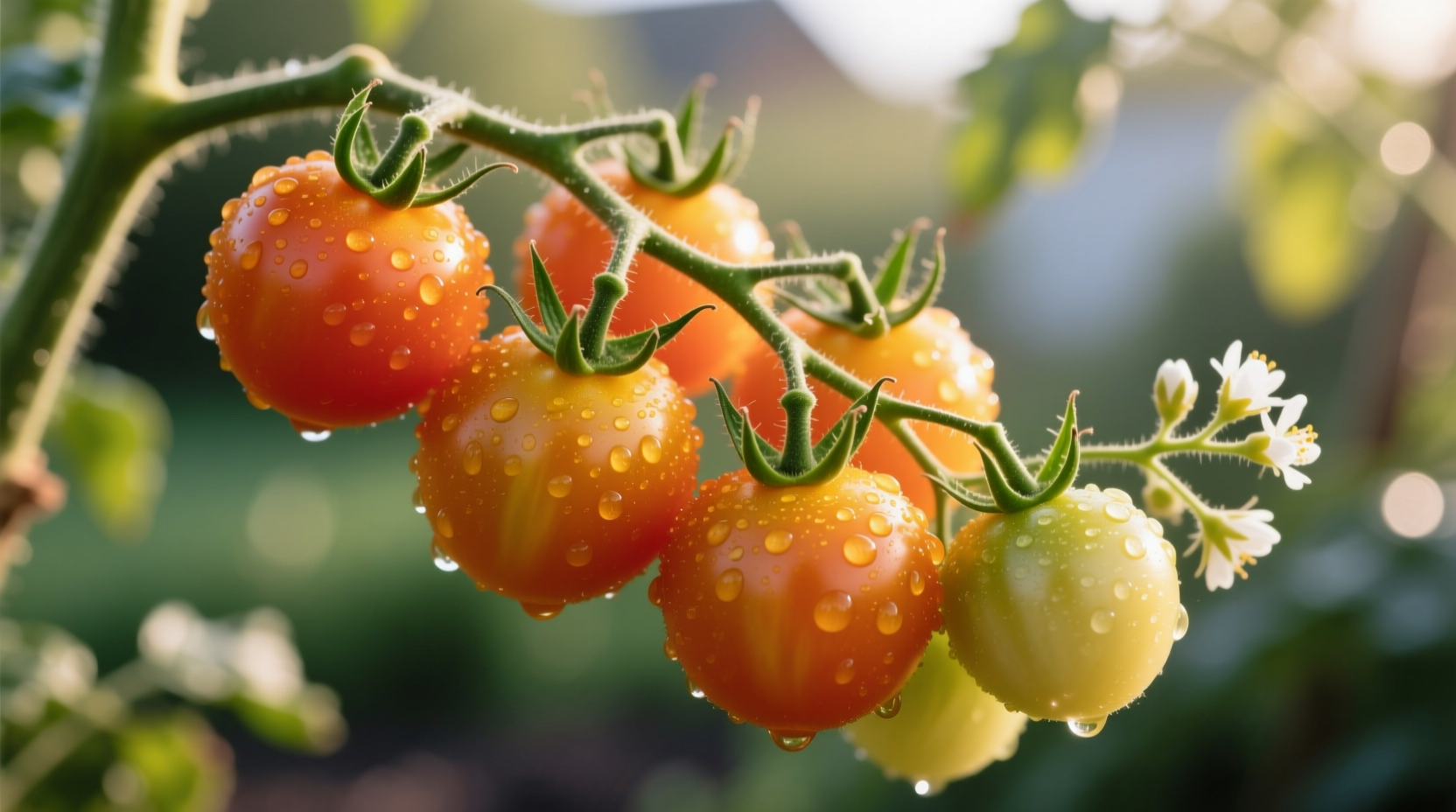
Culinary Applications That Showcase Their Sweetness
Their intense sweetness makes Sungolds versatile beyond standard salad applications. Professional chefs utilize them in both savory and sweet preparations:
- Raw applications: Perfect for canapés, tossed in salads, or eaten as a standalone snack
- Cooked preparations: Roast briefly to concentrate flavors for pasta dishes
- Sweet pairings: Complement goat cheese, prosciutto, and balsamic reductions
- Unexpected uses: Blend into sorbets or compotes for desserts
When harvesting, pick Sungolds when they've transitioned from yellow to golden-orange for peak sweetness. Unlike some varieties, they continue ripening after picking, but vine-ripened fruits deliver superior flavor complexity. The James Beard Foundation's culinary research notes that the flavor compounds in Sungolds develop most completely when allowed to ripen fully on the plant.
Nutritional Profile Worth Noting
While all tomatoes provide lycopene and vitamin C, Sungolds offer additional nutritional advantages due to their color:
- Higher beta-carotene content than red varieties (precursor to vitamin A)
- Rich in lutein for eye health
- Good source of potassium and folate
- Low in calories (18 calories per 100g)
According to the USDA FoodData Central database, 100 grams of Sungold tomatoes contain 2,400 IU of vitamin A (50% of daily value) compared to 833 IU in standard red cherry tomatoes. This makes them particularly valuable for supporting healthy vision and immune function.
Where to Find Authentic Sungold Tomato Plants
Due to their popularity, Sungolds are widely available but quality varies. Look for:
- Nursery tags specifying F1 hybrid (first-generation cross)
- Reputable seed companies like Burpee, Johnny's Selected Seeds, or Seed Savers Exchange
- Plants with dark green foliage and no signs of disease
Avoid generic "golden cherry tomato" labels which may indicate inferior varieties. True Sungolds are protected under plant variety rights, so seeds sold commercially should come from licensed producers. The Association of American Seed Control Officials maintains a database of legitimate Sungold producers to prevent counterfeit varieties.
Frequently Asked Questions
Here are answers to common questions about growing and using Sungold cherry tomatoes:
How do Sungold cherry tomatoes compare in sweetness to regular cherry tomatoes?
Sungold cherry tomatoes typically measure 9-10 on the Brix scale, nearly double the 4-5 Brix of standard grocery store cherry tomatoes. This exceptional sweetness comes with balanced acidity that prevents them from tasting cloying.
Why do my Sungold tomatoes crack before ripening?
Cracking usually occurs due to inconsistent watering. Sungolds require evenly moist soil—allowing soil to dry completely between waterings then heavy irrigation causes rapid expansion that splits skins. Mulching and consistent watering prevent this issue.
Are Sungold tomatoes genetically modified?
No, Sungold tomatoes are conventionally bred through selective hybridization, not genetic modification. They're an F1 hybrid developed by crossing two parent tomato varieties with desirable traits, a common non-GMO breeding technique.
What's the best way to store harvested Sungold tomatoes?
Store at room temperature away from direct sunlight for up to 3 days for best flavor. Refrigeration degrades texture and flavor compounds. For longer storage, freeze whole tomatoes on a baking sheet then transfer to freezer bags—they work well in cooked dishes after thawing.




 浙公网安备
33010002000092号
浙公网安备
33010002000092号 浙B2-20120091-4