
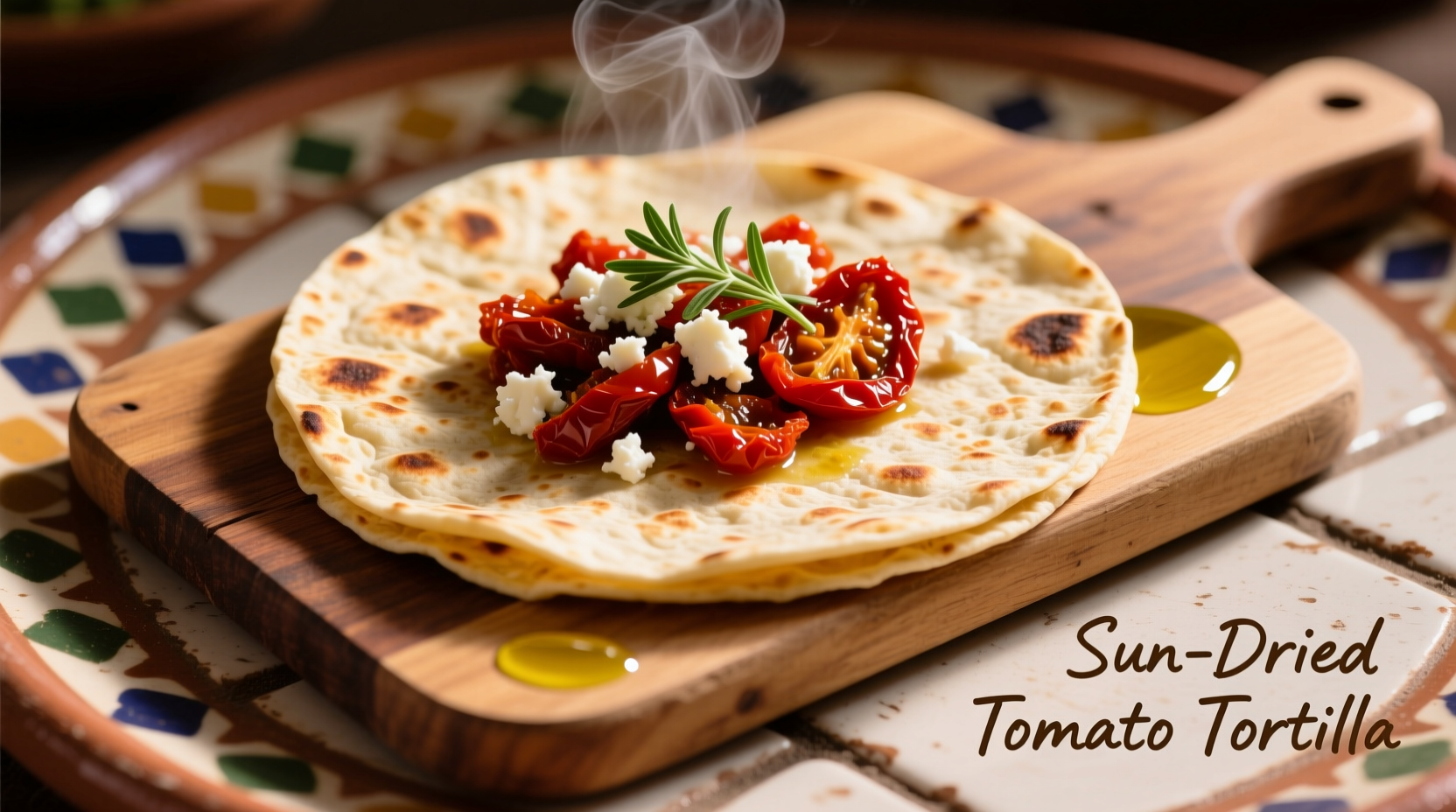
Why Sun Dried Tomato Tortillas Stand Out
Unlike regular tortillas, sun dried tomato tortillas incorporate dehydrated tomatoes that have been slowly dried to intensify their natural sweetness and acidity. This process concentrates lycopene and other flavor compounds, creating a distinctive taste profile that elevates simple dishes. Professional chefs value them for adding depth without requiring additional sauces or seasonings.
| Characteristic | Sun Dried Tomato Tortilla | Regular Flour Tortilla |
|---|---|---|
| Flavor Profile | Earthy, tangy, umami-rich | Neutral, slightly sweet |
| Best Culinary Applications | Closed sandwiches, Mediterranean wraps, appetizer bases | Tacos, burritos, quesadillas |
| Moisture Content | Lower (less prone to sogginess) | Higher (can become soggy) |
| Shelf Life | 3-4 weeks refrigerated | 1-2 weeks refrigerated |
Optimal Culinary Applications
Understanding where sun dried tomato tortillas excel prevents flavor conflicts. Their pronounced taste works best with ingredients that complement rather than compete:
- Closed sandwiches - Their structural integrity holds up to moist fillings without becoming soggy
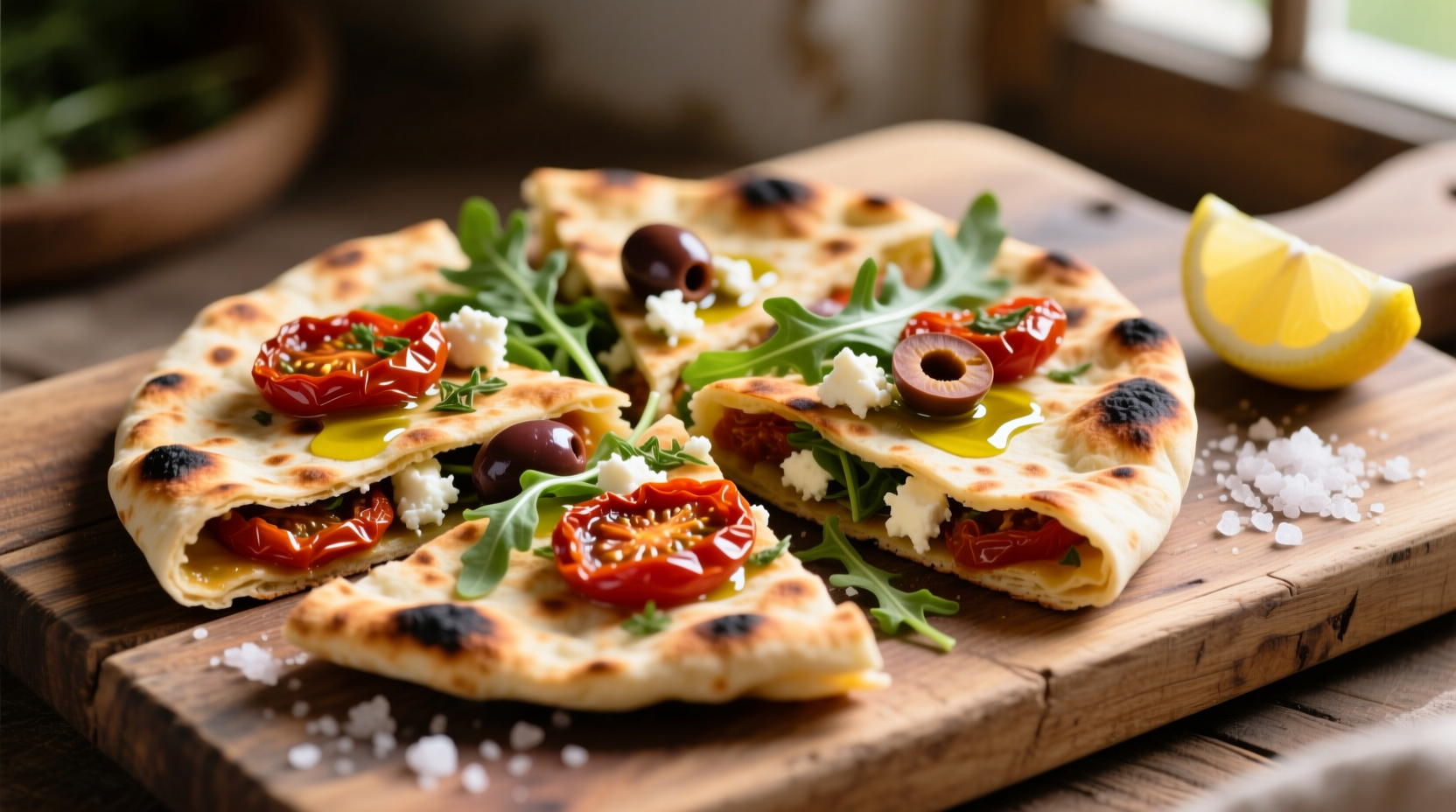
- Mediterranean wraps - Pair perfectly with feta, olives, roasted vegetables, and hummus
- Appetizer bases - Cut into wedges and topped with goat cheese or white bean spread
Avoid using them with delicate fish or mild cheeses where the tomato flavor would dominate. The USDA Agricultural Research Service confirms that sun-dried tomatoes contain approximately 30% more concentrated lycopene than fresh tomatoes, contributing to both their distinctive color and potential health benefits (ars.usda.gov).
Nutritional Profile Comparison
Per 45g serving, sun dried tomato tortillas typically contain:
- 140-160 calories
- 5-6g protein
- 25-28g carbohydrates
- 3-4g fiber (25% more than regular tortillas)
- Significant lycopene content
The increased fiber content comes from both the tomato solids and the slight formulation adjustments needed to incorporate them. Registered dietitians at the Academy of Nutrition and Dietetics note that the lycopene in sun-dried tomatoes becomes more bioavailable when consumed with healthy fats like olive oil (eatright.org).
Selecting Quality Products
When purchasing sun dried tomato tortillas, examine these critical factors:
- Color consistency - Should display even reddish-brown hue without dark spots
- Ingredient list - Look for minimal ingredients: flour, water, sun-dried tomatoes, salt
- Flexibility - Should bend without cracking when at room temperature
- Tomato distribution - Visible tomato flecks throughout, not just on surface
Avoid products listing tomato powder as the primary tomato ingredient, as this often indicates lower quality than those using actual sun-dried tomato pieces. The Specialty Food Association reports that premium sun-dried tomato tortillas typically contain 8-12% sun-dried tomato by weight for optimal flavor balance (sfaweb.org).
Storage Techniques for Maximum Freshness
Proper storage extends the shelf life of sun dried tomato tortillas significantly:
- Refrigerate immediately after opening (3-4 week shelf life)
- Freeze in single layers with parchment between for up to 3 months
- Never store at room temperature after opening
- Revive slightly stale tortillas with 10-second microwave bursts
The reduced moisture content makes them more susceptible to drying out than regular tortillas. Food scientists at UC Davis confirm that the ideal storage temperature for tortillas containing dried fruit or vegetable components is between 34-38°F (1-3°C) to maintain optimal texture (foodscience.ucdavis.edu).
Three Simple Recipe Applications
These straightforward preparations showcase sun dried tomato tortillas' versatility:
Mediterranean Veggie Wraps
Spread herbed cream cheese on tortilla, layer with roasted red peppers, artichoke hearts, and arugula. Roll tightly and slice diagonally. The tortilla's acidity balances the rich cheese while holding up to the moist vegetables.
Caprese Tortilla Triangles
Brush tortilla with olive oil, top with fresh mozzarella pearls and basil. Bake at 375°F until crisp. The sun-dried tomato base complements the fresh tomato typically served with caprese.
Smoked Salmon Pinwheels
Spread dill cream cheese on tortilla, add thin slices of smoked salmon and capers. Roll tightly, chill, then slice. The tortilla's robust flavor stands up to the strong salmon without overwhelming it.
Avoiding Common Mistakes
Chefs frequently encounter these issues when working with sun dried tomato tortillas:
- Overfilling - Their thicker texture doesn't fold as easily as regular tortillas
- High-heat cooking - Can cause burning before fillings heat through
- Mismatched flavors - Avoid pairing with strongly spiced Mexican ingredients
- Improper storage - Leaving at room temperature after opening causes rapid drying
For best results, warm tortillas gently before folding and pair with ingredients that share Mediterranean flavor profiles. Culinary research from the Culinary Institute of America shows that sun-dried tomato tortillas perform optimally at cooking temperatures below 350°F, preserving their distinctive flavor without scorching (ciachef.edu).




 浙公网安备
33010002000092号
浙公网安备
33010002000092号 浙B2-20120091-4