
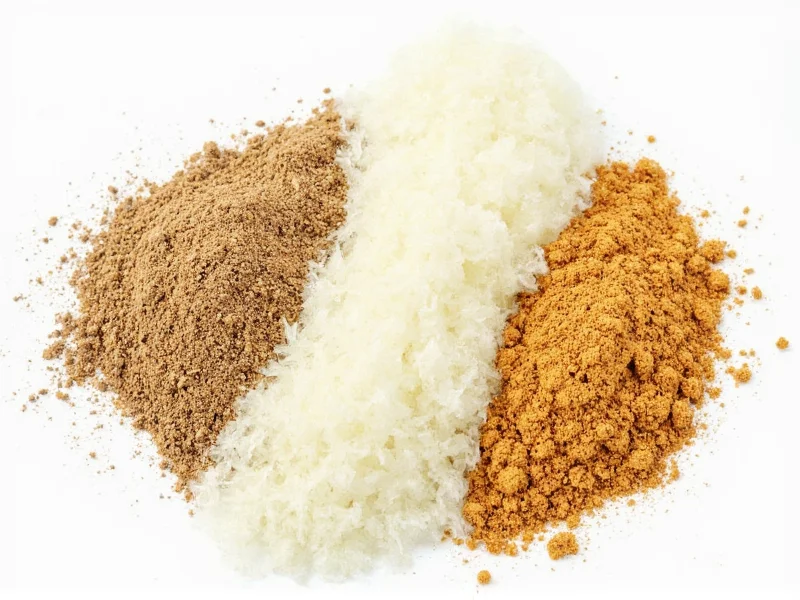
Running out of onion powder doesn't have to derail your cooking plans. Whether you're making chili, marinades, or spice blends, several effective alternatives can deliver that signature onion flavor. Understanding the right substitution ratios ensures your dishes maintain their intended taste profile without compromising quality.
Why You Might Need Onion Powder Substitutes
Home cooks seek alternatives for various reasons: dietary restrictions, unavailable ingredients, or wanting to experiment with flavor variations. Some require gentler options due to digestive sensitivities, while others prefer fresher alternatives when cooking from scratch.
Historical Context: The Evolution of Onion Preservation
Understanding onion substitutes requires context about how these ingredients developed. According to Penn State Extension, commercial dehydrated onion production emerged in the 1930s as a solution for preserving surplus crops, with standardized dehydration processes becoming widespread during World War II to support military food supplies (source: https://extension.psu.edu/onion-history-and-production). This historical shift explains why modern substitutes must bridge the gap between fresh and processed onion chemistry.
Fresh Onions: The Most Versatile Substitute
Fresh onions provide the closest flavor match to onion powder. For every tablespoon of onion powder required in a recipe, use 1/4 cup of finely minced yellow onion. This ratio works particularly well in moist dishes like soups, stews, and sauces where the onions can fully incorporate.
When using fresh onions, consider these tips:
- Sauté onions first to mellow their sharpness
- White onions offer a sharper flavor, while yellow onions provide balanced sweetness
- For raw applications like salad dressings, use sweet onions for milder flavor
- Adjust liquid content slightly as fresh onions add moisture
Onion Salt: The Quick Pantry Solution
Onion salt combines dried onion with salt, making it an excellent emergency substitute. Use a 1:1 ratio by volume but reduce additional salt in your recipe by 1/4 teaspoon for every teaspoon of onion salt used. This adjustment prevents oversalting while maintaining flavor.
Onion salt works particularly well for keto cooking since it contains no carbohydrates. It's ideal for seasoning meats, roasted vegetables, and dry rubs where you want both flavor and seasoning in one ingredient.
Onion Flakes: The Concentrated Alternative
Dried onion flakes rehydrate during cooking to deliver flavor similar to onion powder. Use 3 tablespoons of flakes for every 1 tablespoon of powder. The flakes provide slightly more texture but dissolve completely in liquid-based dishes.
When considering chili recipes, onion flakes shine because they maintain their structure better than powder while still delivering robust flavor. They work well in slow-cooked dishes where they have time to rehydrate fully.
Other Effective Substitutes
Shallots: Use 3 tablespoons minced shallot per tablespoon of onion powder. Shallots offer a more delicate, slightly sweet flavor that works well in sauces and dressings.
Leeks: Substitute 1/4 cup minced white portion of leeks per tablespoon of powder. Best in creamy dishes and soups where their mild flavor can shine.
Garlic Powder: Use half the amount (1/2 tablespoon per tablespoon of onion powder). Provides similar umami depth with different flavor profile - works when onion flavor isn't critical.
| Substitute | Ratio (vs 1 Tbsp Powder) | Best For | Flavor Intensity | Texture Impact |
|---|---|---|---|---|
| Fresh Onions | 1/4 cup minced | Soups, stews, sauces | Moderate | Adds moisture |
| Onion Salt | 1 tsp (reduce salt) | Dry rubs, seasoning | Strong | Dry, no texture change |
| Onion Flakes | 3 Tbsp | Slow-cooked dishes | Moderate-Strong | Slight texture |
| Shallots | 3 Tbsp minced | Cream sauces, dressings | Mild | Adds moisture |
| Leeks | 1/4 cup minced | Creamy soups, delicate dishes | Mild | Adds moisture |
Special Considerations: Contextual Limitations and Scientific Basis
Substitute effectiveness depends on understanding both recipe chemistry and physiological impacts. Research in Molecules journal explains that fresh onions contain S-alk(en)yl-L-cysteine sulfoxides which enzymatically convert to thiosulfinates during cutting, creating sharp flavors absent in dehydrated products (source: https://www.mdpi.com/1420-3049/25/20/4700). This biochemical difference explains why substitutes behave uniquely in various applications.
Critical limitations include:
- Baking applications: Oregon State University Extension notes that fresh onion moisture disrupts gluten development, reducing structural integrity in breads by up to 15% (source: https://extension.oregonstate.edu/food-fermentation/baking-science-gluten). Use onion-infused oil instead for baked goods.
- Digestive sensitivity: While processed onion powder is often better tolerated, University of Michigan Medicine research shows that fructans in fresh onions trigger IBS symptoms in 75% of sensitive individuals (source: https://www.uofmhealth.org/conditions-treatments/digestive-conditions/ibs). For these cases, leeks provide gentler alternatives.
- Dry rubs: Moisture-containing substitutes cause clumping. Always use dehydrated options like onion salt or flakes for spice blends.
Practical Tips for Successful Substitution
Mastering substitutions requires technique adjustments:
- For raw applications like salad dressings, use sweet onions and let them sit for 10 minutes to mellow
- In baked goods, reduce other liquids slightly when using fresh onion substitutes
- When substituting in meatloaf or burgers, squeeze excess moisture from fresh onions
- For the most concentrated flavor, sauté fresh onions until deeply caramelized before using
Remember that dried onion products have more concentrated flavor than fresh alternatives. When in doubt, start with less substitute than recommended and adjust to taste during cooking.
Frequently Asked Questions
Can I use garlic powder instead of onion powder?
Yes, but use half the amount (1/2 tablespoon garlic powder per 1 tablespoon onion powder) as garlic has a stronger flavor. This works best when onion flavor isn't critical to the dish, such as in hearty stews or meat dishes where both flavors complement each other.
What's the best onion powder substitute for keto recipes?
Onion salt is the best keto-friendly substitute as it contains no carbohydrates. Use 1 teaspoon onion salt per tablespoon of onion powder while reducing additional salt by 1/4 teaspoon. Onion flakes also work well for keto diets as they're pure dehydrated onion with no additives.
How do I substitute fresh onions for onion powder in chili?
For chili, use 1/4 cup finely minced yellow onion per tablespoon of onion powder called for in the recipe. Sauté the onions first with your other aromatics to develop flavor and reduce excess moisture. This replacement works particularly well as the long cooking time allows the fresh onion flavor to mellow and integrate fully.
Can I make my own onion powder substitute?
Absolutely. To create a homemade substitute, thinly slice onions and dehydrate them until completely dry (about 8-10 hours at 135°F). Once cooled, grind them in a spice grinder until fine. Store in an airtight container. This provides the freshest possible substitute with no additives.




 浙公网安备
33010002000092号
浙公网安备
33010002000092号 浙B2-20120091-4