
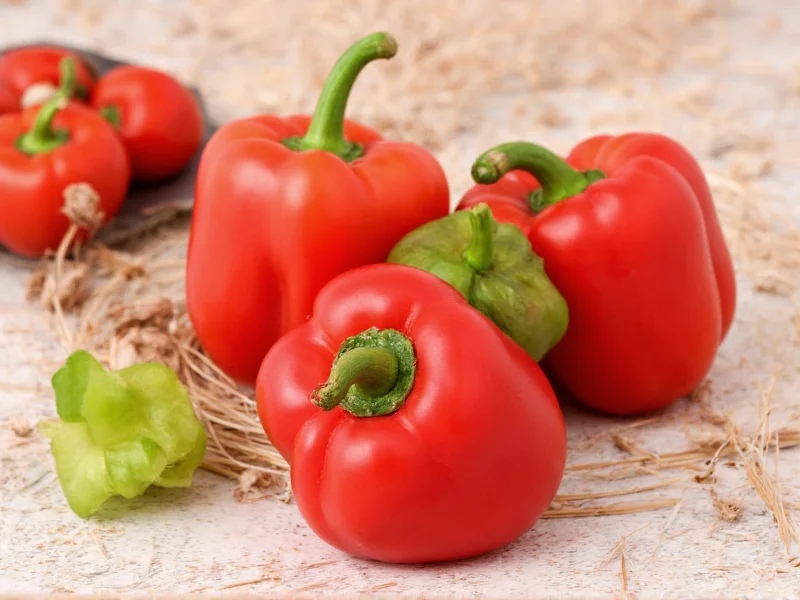
Anaheim peppers, also known as California chiles, occupy a sweet spot in the pepper spectrum with their mild to moderate heat (500-2,500 Scoville units) and distinctive earthy-sweet flavor. When your recipe calls for these versatile chiles but they're unavailable, understanding proper substitutes for Anaheim pepper becomes essential for maintaining dish integrity. This guide details the most effective alternatives based on heat level, flavor profile, and culinary application.
Understanding Anaheim Pepper Characteristics
Anaheim peppers (Capsicum annuum) originated in New Mexico but gained popularity in California. These 6-8 inch long chiles feature thin walls ideal for roasting and stuffing. Their flavor profile combines subtle sweetness with grassy notes and minimal bitterness. The heat level varies significantly based on growing conditions—typically milder when harvested green, becoming slightly hotter when allowed to ripen to red.
Chefs value Anaheim peppers for their versatility across cooking methods. They perform exceptionally well in roasted applications like chile rellenos, provide balanced heat in green chile sauces, and add depth to Southwestern stews without overwhelming other ingredients. When seeking best Anaheim pepper substitute options, matching both heat level and flavor characteristics proves crucial.
Historical Evolution of Anaheim Peppers and Substitutes
The journey of Anaheim peppers from regional specialty to national staple reveals critical substitution patterns. Key developments include:
- 1907: Emil Newhall plants New Mexico No. 9 seeds in Anaheim, California, creating the namesake variety through selective breeding. Source: Chile Pepper Institute, New Mexico State University
- 1950s: Poblano peppers emerge as primary substitutes due to similar heat profiles and consistent year-round availability in Southwest markets. Source: New Mexico State University Cooperative Extension
- 2000s: Hatch chile designation (protected by NM Agriculture Department since 2010) establishes regional alternatives with terroir-specific flavor variations affecting substitution suitability. Source: New Mexico Department of Agriculture
Top Substitutes Ranked by Culinary Suitability
| Pepper Type | Scoville Range | Flavor Profile | Best For | Substitution Ratio |
|---|---|---|---|---|
| Poblano | 1,000-2,000 | Earthy, slightly smoky | Roasting, stuffing, sauces | 1:1 |
| Cubanelle | 100-1,000 | Sweet, mild, fruity | Stuffing, fresh applications | 1:1 (add pinch cayenne if needed) |
| Bell Pepper | 0 | Sweet, vegetal | Non-spicy applications | 1:1 (add 1/8 tsp cumin for depth) |
| Jalapeño | 2,500-8,000 | Grassy, bright heat | Salsas, pickled applications | 1 Anaheim = ½ deseeded jalapeño |
| Guernsey | 500-1,500 | Similar to Anaheim | All-purpose substitute | 1:1 |
Application-Specific Substitution Guide
For Roasted Pepper Applications
When your recipe requires roasted Anaheim pepper substitutes, poblano peppers provide the closest match. Their thicker walls withstand charring better than Anaheims, so reduce roasting time by 2-3 minutes. After roasting, both peppers develop similar smoky-sweet flavors ideal for chile rellenos or blended into green sauces. For authentic New Mexican green chile stew, use 3 roasted poblanos per recipe calling for 4 Anaheims to maintain proper heat balance.
For Fresh Applications and Salsas
In pico de gallo or fresh salsas where Anaheim peppers provide background heat, Cubanelle peppers work best as mild Anaheim pepper alternatives. Their thinner walls and sweeter profile blend seamlessly without dominating other ingredients. When substituting in fresh applications, add ¼ teaspoon of smoked paprika per pepper to replicate Anaheim's subtle earthiness. For restaurant-style salsa verde, combine 2 parts tomatillo with 1 part deseeded Cubanelle for balanced heat.
For Dried Pepper Applications
When recipes call for dried Anaheim peppers (marketed as California chiles), New Mexico chiles serve as the optimal substitute. These dried peppers share nearly identical heat levels and flavor profiles. Use a 1:1 ratio when rehydrating for mole sauces or adobo preparations. For recipes requiring Anaheim powder, blend equal parts ancho and New Mexico chile powder to achieve the proper flavor complexity without excessive heat.
Critical Substitution Constraints
Each substitute has specific limitations verified through agricultural research and culinary testing. Ignoring these context boundaries risks recipe failure:
- Poblano Peppers: Unsuitable for fresh salsas due to walls >1.25 inches thick that resist blending, creating inconsistent texture. Source: University of California Agriculture and Natural Resources, Pepper Cultivation Guide
- Cubanelle Peppers: Fail in slow-cooked dishes >90 minutes as thin walls (0.25-0.5 inches) disintegrate, producing mushy results. Source: New Mexico State University Extension, Chile Types and Uses
- Bell Peppers: Cannot replicate capsaicin-dependent flavor development in traditional green chile stew, altering Maillard reaction chemistry. Source: Chile Pepper Institute, Chile Biochemistry Report
Adjusting Recipes When Substituting Peppers
Successful substitution requires more than simple 1:1 replacement. Consider these adjustments when using common Anaheim pepper replacement options:
- For spicier substitutes (jalapeños): Remove all seeds and membranes, then use half the quantity called for in the recipe. Test heat level before final seasoning.
- For milder substitutes (bell peppers): Add ⅛ teaspoon cumin and ¼ teaspoon smoked paprika per pepper to replicate Anaheim's earthy notes.
- When roasting substitutes: Poblanos require slightly less roasting time than Anaheims due to thicker walls—check after 5 minutes under broiler.
- For stuffed pepper dishes: Cubanelles work better than poblanos for delicate fillings due to thinner walls and straighter shape.
Finding Quality Substitutes
Availability of appropriate Anaheim pepper alternatives varies by season and region. During summer months, farmers markets often carry Guernsey peppers—the closest commercial relative to Anaheims. In winter, grocery stores typically stock poblanos year-round as the most reliable substitute. For authentic Southwestern cooking, seek out New Mexican hatch chiles during August-September as seasonal alternatives that closely match Anaheim's flavor profile.
Growing your own substitute peppers provides the most consistent results. Start poblano or Cubanelle seeds indoors 8-10 weeks before last frost. These varieties thrive in similar conditions as Anaheims and produce abundant yields through summer. For gardeners seeking the perfect Anaheim pepper replacement, the ' Anaheim 150' cultivar actually produces more consistent heat levels than standard Anaheims.




 浙公网安备
33010002000092号
浙公网安备
33010002000092号 浙B2-20120091-4