
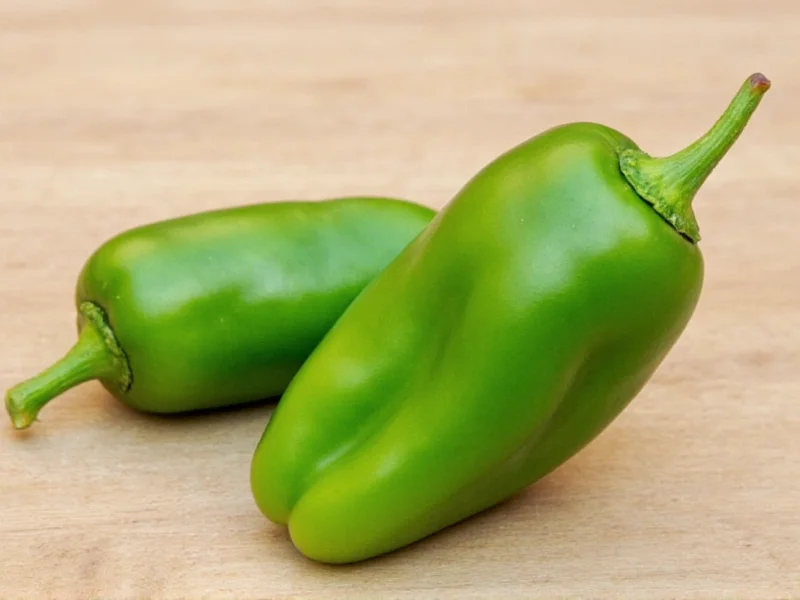
When your recipe calls for serrano peppers but you're staring at an empty produce bin, knowing the right substitute can save your dish. Serrano peppers (Scoville rating 10,000-23,000 units) deliver bright, grassy heat that's essential in Mexican cuisine, salsas, and guacamole. Understanding your substitution options ensures your cooking maintains authentic flavor while accommodating availability.
Understanding Serrano Pepper Characteristics
Serrano peppers originate from Mexico's mountainous regions, where "serrano" means "from the mountains." These 1-4 inch peppers pack more heat than jalapeños but less than habaneros, with a crisp, vegetal flavor that works exceptionally well raw in salsas or cooked in sauces. Their thin walls make them ideal for quick pickling or blending into fresh preparations. When substituting, consider both heat level and flavor profile to maintain your dish's intended character.
Top 5 Serrano Pepper Substitutes Ranked
Choosing the right alternative depends on your recipe's requirements and desired heat level. Here's how the top substitutes compare:
| Pepper Substitute | Scoville Units | Heat Relative to Serrano | Best For | Substitution Ratio |
|---|---|---|---|---|
| Fresno Pepper | 2,500-10,000 | Slightly milder | Salsas, sauces, pickling | 1:1 |
| Jalapeño | 2,500-8,000 | 30-50% milder | Most cooked dishes, nacho toppings | 1.5:1 (1.5 jalapeños per serrano) |
| Cayenne | 30,000-50,000 | 2-3x hotter | Cooked sauces, spice blends | 0.5:1 (half cayenne per serrano) |
| Thai Bird's Eye | 50,000-100,000 | 3-5x hotter | Asian-inspired dishes, hot sauces | 0.25:1 (quarter pepper per serrano) |
| Poblano | 1,000-2,000 | 5-10x milder | Stuffed peppers, mild sauces | 2-3:1 (2-3 poblanos per serrano) |
Practical Substitution Guidelines for Common Dishes
Not all substitutes work equally well across different applications. Consider these specific recommendations when substituting serrano peppers in recipes:
For Fresh Salsas and Guacamole
Fresno peppers provide the closest match for substitute serrano pepper in salsa preparations. Their similar size and thinner walls blend well in raw applications. If using jalapeños as your milder alternative to serrano pepper, remove seeds and membranes to prevent overpowering the dish. For authentic heat without changing flavor profile, use half the amount of cayenne pepper compared to serrano.
Cooking Applications and Sauces
When substituting serrano for jalapeño in cooking for dishes requiring longer cooking times, jalapeños actually develop more complex flavor. Roast them first to enhance sweetness. For mole or adobo sauces, consider using a combination of pasilla and a small amount of cayenne to replicate serrano's heat without overwhelming bitterness. Remember that dried peppers behave differently—1 dried serrano equals about 3 fresh, so adjust accordingly when using dried alternatives.
Adjusting Heat Levels in Substitutions
Mastering how to replace serrano peppers in recipes requires understanding heat progression. Peppers release more capsaicin (the compound responsible for heat) the longer they cook. When substituting hotter peppers like cayenne, add incrementally and taste as you go. For milder substitutes like Anaheim, consider adding a pinch of red pepper flakes to boost heat without altering flavor significantly. Always remove seeds and white membranes from substitutes to reduce heat by up to 80%.
Regional Availability Considerations
Your location affects which substitutes are practical. In North America, jalapeños are widely available year-round, making them the most accessible substitute for fresh serrano peppers. In Europe, where serranos are less common, cayenne or fresnos might be easier to find. Asian markets often carry Thai bird's eye chilies as a hotter alternative. For gardeners, growing serrano peppers is straightforward in warm climates—they mature faster than jalapeños and produce abundant yields.
Expert Tips for Successful Substitutions
Professional chefs recommend these techniques when working with serrano pepper heat level alternatives:
- Wear gloves when handling hot pepper substitutes to prevent skin irritation
- Soak cut peppers in ice water for 10 minutes to reduce heat intensity temporarily
- Balance excessive heat with acid (lime juice) or sweetness (honey)
- For canned recipes, add heat sources at the end of cooking to preserve flavor
- Freeze extra peppers in olive oil for future use in cooked dishes
When Substitution Isn't Ideal
Some traditional recipes rely specifically on serrano's unique characteristics. Authentic pico de gallo, certain Mexican street corn preparations, and fresh guacamole benefit from serrano's bright heat that jalapeños can't fully replicate. In these cases, consider making a smaller batch with proper ingredients rather than compromising flavor. Alternatively, seek out frozen serrano peppers which maintain quality for up to 6 months.
Frequently Asked Questions
Can I use bell pepper as a substitute for serrano?
Bell peppers lack heat entirely (0 Scoville units), making them unsuitable as direct substitutes. However, you can combine bell pepper with a small amount of cayenne or red pepper flakes (1/8 teaspoon per pepper) to approximate serrano's volume while adding controlled heat.
How much jalapeño equals one serrano pepper?
Use 1.5 jalapeños for every serrano pepper called for in your recipe. Since jalapeños range from 2,500-8,000 Scoville units compared to serrano's 10,000-23,000, this ratio maintains similar heat levels. Always taste as you go, as individual pepper heat varies significantly.
What's the best substitute for serrano in guacamole?
Fresno peppers provide the closest match for guacamole, with similar heat and flavor. If unavailable, use jalapeños but remove seeds and membranes, then let the diced pepper sit in lime juice for 5 minutes before adding to balance the milder heat. For authentic results, never use significantly hotter substitutes like habaneros in traditional guacamole.
Can I substitute dried serrano peppers for fresh?
Yes, but with adjustments. One dried serrano equals approximately three fresh peppers in heat intensity. Rehydrate dried peppers in hot water for 20 minutes before use, or toast and blend into sauces. Dried versions work better in cooked dishes than fresh applications like salsas where texture matters.
Why does my serrano substitute taste different even at same heat level?
Heat level (Scoville units) measures only capsaicin content, not flavor compounds. Serranos have distinctive grassy, slightly fruity notes that other peppers may lack. For closest flavor match, choose substitutes from the same Capsicum annuum species (like jalapeños, fresnos, or cayenne) rather than different species like habaneros (Capsicum chinense).




 浙公网安备
33010002000092号
浙公网安备
33010002000092号 浙B2-20120091-4