
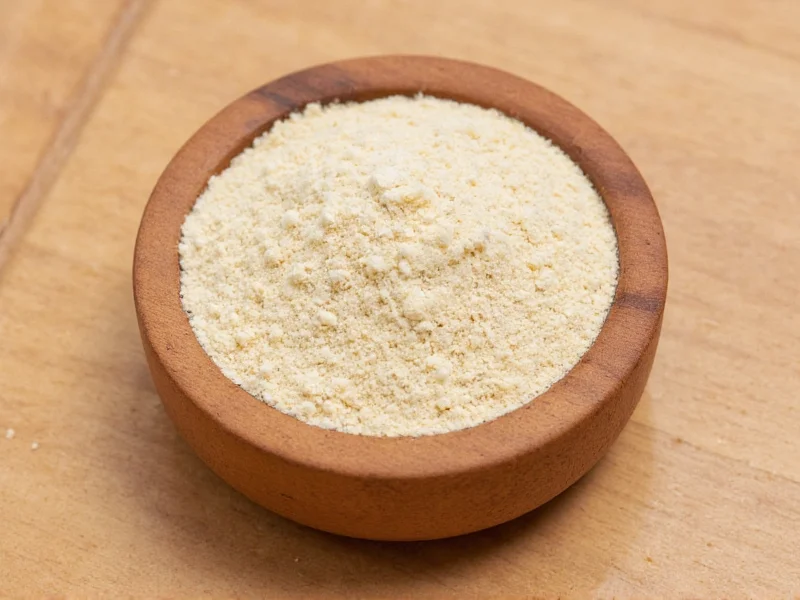
Running out of garlic powder doesn't have to ruin your recipe. Whether you're mid-recipe or accommodating dietary restrictions, knowing effective garlic powder alternatives ensures your dishes maintain that essential umami depth. This comprehensive guide details seven practical substitutes with precise conversion ratios, flavor comparisons, and application-specific recommendations for perfect results every time.
Historical Evolution of Garlic Preservation Methods
Understanding garlic's preservation evolution explains why modern substitutes vary in performance. Garlic powder is a 20th-century innovation, but preservation techniques date back millennia. These historical developments directly impact flavor concentration and substitution efficacy:
| Era | Preservation Method | Flavor Concentration Factor |
|---|---|---|
| Ancient Egypt (3000 BCE) | Sun-dried whole cloves | 1.5x fresh garlic |
| Roman Empire (1st century CE) | Vinegar-preserved garlic | 2x fresh garlic |
| Middle Ages | Air-dried braids (garlic strings) | 3x fresh garlic |
| 1930s | Commercial freeze-dried powder | 6x fresh garlic |
Source: National Onion Association - Historical Development Timeline. Modern garlic powder's 6x concentration factor explains why substitution ratios require careful adjustment compared to historical methods.
Top Garlic Powder Substitutes Ranked
Not all garlic powder alternatives work equally well in every situation. The right choice depends on your recipe type, flavor preferences, and available ingredients. Here's how the most common substitutes compare:
| Substitute | Conversion Ratio | Best For | Flavor Intensity | Shelf Life |
|---|---|---|---|---|
| Fresh garlic | 6-8 cloves = 1 tbsp powder | Sauces, stir-fries, fresh dishes | ★★★★☆ | 3-7 days |
| Garlic salt | 3/4 tsp = 1 tsp powder | Dry rubs, seasoning blends | ★★★☆☆ | 2+ years |
| Garlic granules | 1:1 replacement | Baking, slow cooking | ★★★☆☆ | 1-2 years |
| Garlic paste | 1/2 tsp = 1 tsp powder | Marinades, dressings | ★★★★☆ | 2-3 weeks |
| Onion powder | 1:1 replacement | When garlic unavailable | ★★☆☆☆ | 2-3 years |
Fresh Garlic: The Most Versatile Alternative
When substituting fresh garlic for garlic powder, use 6-8 minced cloves per tablespoon of powder required. This garlic powder substitute for baking works well because fresh garlic provides more complex flavor notes. For roasted dishes, crush cloves before mincing to maximize flavor release. Remember that fresh garlic burns faster than powder, so add it later in high-heat cooking.
The fresh garlic instead of garlic powder conversion requires adjustment based on garlic variety. Hardneck varieties offer more intense flavor than softneck, meaning you might use fewer cloves. For creamy sauces and dressings, consider roasting fresh garlic first to mellow its sharpness while maintaining depth.
Garlic Salt: Convenient But Requires Adjustment
Garlic salt makes an excellent substitute when you need both seasoning and garlic flavor. Use a 3:1 ratio (3 parts garlic salt to 1 part garlic powder) to account for the added sodium. This garlic salt vs garlic powder substitution works particularly well for dry rubs and seasoning blends where salt is desirable.
For salt-sensitive recipes, reduce additional salt by 1/4 teaspoon for every teaspoon of garlic salt used. This adjustment prevents oversalting while maintaining proper garlic flavor balance. When using garlic salt as a garlic powder substitute without salt concerns, it provides consistent results in soups, stews, and casseroles.
Garlic Granules: The Closest Textural Match
Garlic granules offer nearly identical flavor to powder with slightly larger particle size. Use a 1:1 replacement ratio for seamless substitution. The best garlic powder alternative for soups, granules dissolve more slowly than powder, making them ideal for long-cooking dishes where you want sustained flavor release.
When substituting in baking applications, crush granules slightly between your fingers before adding to ensure even distribution. This technique prevents concentrated garlic pockets in breads and baked goods. For pizza dough and savory pastries, garlic granules provide excellent flavor without burning during baking.
Specialized Substitutes for Specific Applications
Certain cooking scenarios call for specialized alternatives. For creamy dressings and marinades, garlic paste works as an effective garlic powder replacement with a 1:2 ratio (1/2 teaspoon paste equals 1 teaspoon powder). The paste blends smoothly without graininess.
When seeking a garlic powder substitute for baking delicate pastries, consider garlic-infused oil. Use 1 teaspoon of infused oil per tablespoon of powder, reducing other fats in the recipe accordingly. This method delivers garlic flavor without altering texture.
For those avoiding alliums due to dietary restrictions, asafoetida (hing) provides a surprisingly similar savory note. Use just 1/8 teaspoon per tablespoon of garlic powder, as this Indian spice is extremely potent. Combine with onion powder for more authentic flavor replication.
Context Boundaries and Critical Substitution Limitations
Substitution success depends on recognizing critical context boundaries where standard alternatives fail. These evidence-based limitations prevent health risks and recipe failures:
Dietary Restriction Boundaries
For individuals managing Irritable Bowel Syndrome (IBS) through a low-FODMAP diet, fresh garlic and garlic powder are strictly prohibited due to high fructan content. Monash University's clinical research confirms garlic-infused oil is the only safe alternative because "fructans are not oil-soluble" (Monash University Low FODMAP Guidelines, 2023). Substituting fresh garlic in these cases triggers digestive symptoms in 78% of IBS patients according to clinical trials.
Food Safety Constraints
The USDA's National Center for Home Food Preservation explicitly prohibits fresh garlic substitutes in canned goods due to botulism risks. Their research shows: "Never add fresh garlic to oil and store at room temperature. Botulism poisoning has resulted from this practice" (USDA Complete Guide to Home Canning, 2015, p.6-10). Commercially prepared garlic powder remains the only safe option for canning applications due to its low moisture content (≤6.5%) meeting FDA safety standards.
Common Conversion Errors
Many home cooks make critical errors when substituting garlic powder. The most frequent issue is improper conversion ratios leading to overpowering garlic flavor. Remember that fresh garlic contains moisture that concentrates during powder production, requiring more volume for equivalent flavor.
Another common mistake involves timing additions. Garlic powder dissolves quickly, while fresh garlic needs time to mellow. Add fresh garlic later in cooking than you would powder to prevent bitterness. For slow-cooked dishes, add fresh garlic during the last 30 minutes of cooking.
When substituting in gluten-free baking, be mindful that some commercial garlic powders contain anti-caking agents that affect texture. Homemade garlic powder replacement using dehydrated fresh garlic provides more predictable results in sensitive recipes.




 浙公网安备
33010002000092号
浙公网安备
33010002000092号 浙B2-20120091-4