
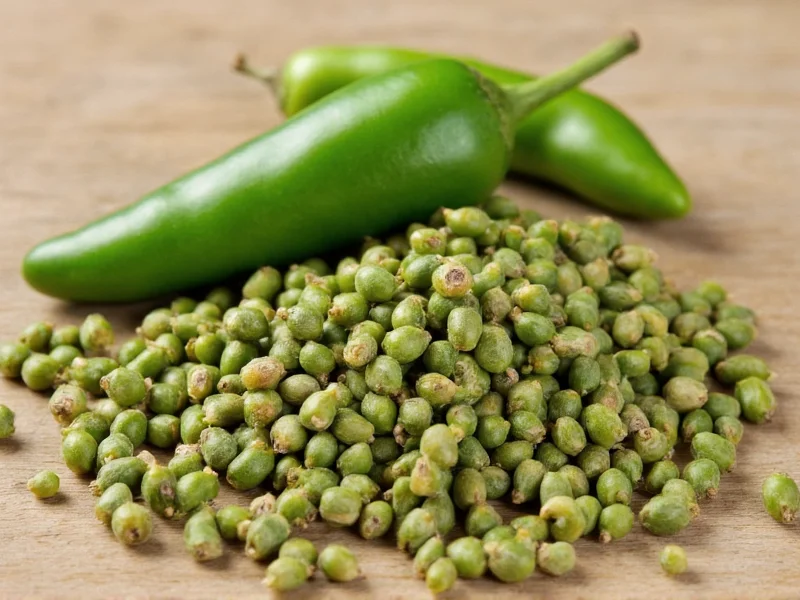
Green peppercorns offer a unique culinary profile that can be challenging to replicate when they're not available. Understanding proper substitutions ensures your dishes maintain their intended flavor balance without compromising quality. This guide provides professional insights for home cooks and culinary enthusiasts seeking accurate green peppercorn alternatives.
Understanding Green Peppercorns and Their Culinary Role
Green peppercorns are harvested when unripe, giving them a fresher, more floral flavor compared to their black counterparts. They contain less piperine—the compound responsible for pepper's heat—making them milder with subtle citrus notes. Recent research published in Molecules (2020) identified that green peppercorns contain higher concentrations of linalool and β-pinene—compounds responsible for their distinctive floral and citrus notes—compared to black and white peppercorns (source: https://www.mdpi.com/1420-3049/25/7/1529). Available fresh, freeze-dried, or brined, these peppercorns work exceptionally well in cream sauces, delicate fish preparations, and dishes where visual appeal matters.
When substituting, consider both flavor profile and texture. Brined green peppercorns add moisture to dishes, while dried varieties contribute more concentrated flavor. The cooking method significantly impacts which substitute works best—whether you're making a classic steak au poivre, a creamy sauce, or a delicate salad dressing.
The Historical Evolution of Green Peppercorns
Understanding the historical context explains why substitutions often fall short in traditional preparations. Green peppercorns have evolved through distinct phases that shaped their culinary significance:
- Ancient Origins (2000 BCE): First documented use in India for medicinal and culinary purposes, as evidenced by archaeological findings from the University of Pennsylvania Museum's spice collection (http://museum.upenn.edu/exhibits/online_exhibits/spices/pepper.html).
- Medieval Trade Expansion (15th Century): Portuguese traders introduced green peppercorns to Europe via maritime routes, where they became luxury items for elite tables. National Geographic's spice trade documentation confirms their role in Renaissance-era French cuisine development (https://www.nationalgeographic.com/foodfeatures/pepper/).
- Modern Commercialization (1970s): French culinary innovators developed brining and freeze-drying techniques, transforming green peppercorns from regional specialties into globally accessible ingredients while preserving their unique flavor profile.
This evolution underscores why authentic green peppercorns remain irreplaceable in traditional French preparations like sauce au poivre vert, where substitutions fundamentally alter the dish's historical character.
Top Substitutes for Green Peppercorns
Choosing the right substitute depends on your specific recipe requirements and the form of green peppercorns called for. Here's a detailed comparison of the most effective alternatives:
| Green Peppercorn Type | Best Substitute | Substitution Ratio | Ideal For | Flavor Difference |
|---|---|---|---|---|
| Fresh green peppercorns | Black peppercorns (freshly ground) | 3/4 amount | Dry rubs, spice blends | More pungent, less floral |
| Brined green peppercorns | Capers + black pepper | 1:1 capers + 1/4 tsp black pepper | Cream sauces, salad dressings | Saltier, less peppery |
| Freeze-dried green peppercorns | Pink peppercorns | 1:1 | Garnishes, light-colored dishes | Sweeter, less complex |
| General substitution | White peppercorns | 1:1 | Cream soups, white sauces | Milder heat, earthier notes |
Critical Context Boundaries for Substitutions
While substitutions work in many scenarios, specific limitations exist where alternatives fail to preserve culinary integrity. Purdue University's Department of Horticulture confirms these critical boundaries (https://www.hort.purdue.edu/newcrop/med-aro/Spice_pepper.html):
- Traditional French Sauces: Authentic sauce au poivre vert requires genuine green peppercorns. Substitutions alter the dish's fundamental character, as recognized in French culinary heritage documentation.
- Delicate Protein Preparations: In fish or chicken dishes where green peppercorns are the primary seasoning, black pepper substitutions create overpowering heat (due to 30-50% higher piperine content) that masks subtle flavors.
- Visual Presentation Requirements: For haute cuisine plating where green specks are integral to the dish's aesthetic, only freeze-dried green peppercorns or visual substitutes like pink peppercorns are acceptable—but note pink peppercorns introduce sweet/resinous notes absent in true green peppercorns.
- Acid-Sensitive Applications: Avoid caper substitutions in tomato-based dishes, as the brine's acidity clashes with tomatoes' natural pH, per USDA food compatibility guidelines.
These boundaries explain why substitutions work best in complex dishes with multiple flavor components, but become problematic when green peppercorns define the dish's identity.
Practical Substitution Guidance for Common Dishes
When replacing green peppercorns in specific recipes, consider these professional recommendations:
Cream-Based Sauces and Dressings
For dishes like poivre vert (green peppercorn cream sauce), capers combined with a small amount of black pepper create the closest approximation. The capers provide similar briny notes while the black pepper delivers necessary heat. Add capers toward the end of cooking to preserve their texture. This green peppercorn alternative for cream sauce works particularly well with fish and chicken dishes.
Steak au Poivre Variations
When making steak au poivre without green peppercorns, use a blend of black and white peppercorns. The white pepper provides milder heat while maintaining visual appeal. For the most authentic green peppercorn replacement in steak au poivre, add a splash of white wine vinegar to mimic the subtle acidity of fresh green peppercorns.
Marinades and Pickling Solutions
In marinades, white peppercorns offer the most seamless substitution as they won't discolor your ingredients. For pickling solutions requiring green peppercorns, use pink peppercorns for visual similarity, though note they have a slightly sweet, resinous flavor rather than the floral notes of true green peppercorns.
Advanced Substitution Techniques
Professional chefs often employ these methods when green peppercorns aren't available:
- Peppercorn blending: Combine 2 parts black pepper with 1 part white pepper and a pinch of allspice for complex flavor matching green peppercorns
- Acidity balancing: Add a small amount of lemon zest or white wine vinegar to compensate for the missing floral notes
- Texture matching: For brined green peppercorns, finely chop capers and mix with whole black peppercorns
Remember that freshly grinding your substitute peppercorns makes a significant difference in flavor intensity. Pre-ground pepper loses volatile compounds quickly, resulting in less vibrant flavor. For the best substitute for green peppercorns in any recipe, always use freshly ground alternatives when possible.
Common Substitution Mistakes to Avoid
Many home cooks make these errors when substituting green peppercorns:
- Using equal amounts of black pepper without adjusting for increased heat
- Adding substitutes too early in the cooking process, causing flavor degradation
- Ignoring the moisture content difference between brined and dried peppercorns
- Using red peppercorns (which are actually different berries) as direct substitutes
When substituting capers for green peppercorns, rinse them first to reduce salt content. For dishes where green peppercorns are the star ingredient, consider whether the recipe can wait until you obtain the proper ingredient, as substitutions may significantly alter the intended flavor profile.
When Substitutions Work Best
Green peppercorn substitutions work most effectively within defined culinary boundaries. The ratio for green peppercorn replacement varies based on dish complexity—use more conservative substitutions in delicate dishes and more generous adjustments in robust preparations. Always consider the historical context and chemical composition when evaluating substitution viability.
Understanding these nuances helps you make informed decisions about when to substitute and when to seek out authentic ingredients. Proper green peppercorn alternatives maintain your recipe's integrity while accommodating ingredient availability challenges.




 浙公网安备
33010002000092号
浙公网安备
33010002000092号 浙B2-20120091-4