
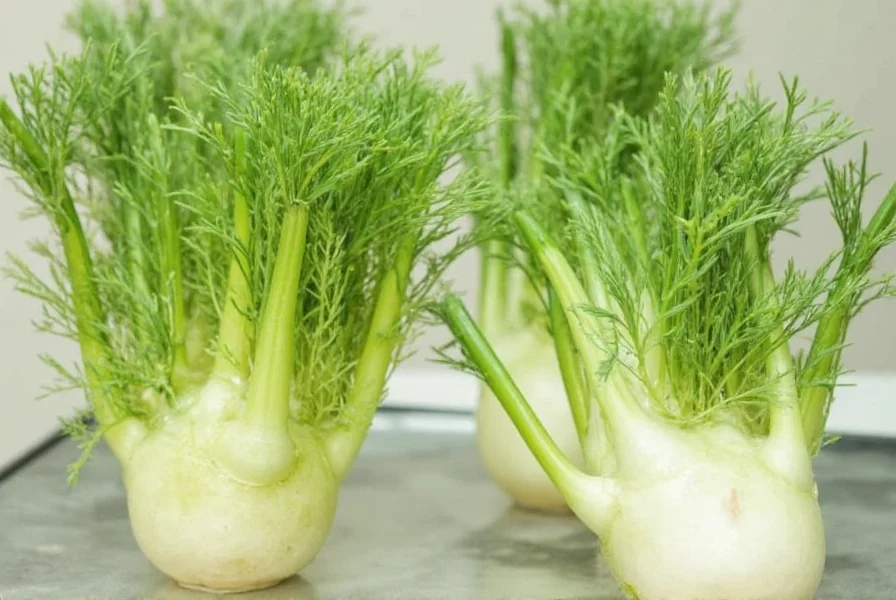
If you've ever reached for fennel while cooking only to find your pantry empty, you're not alone. Understanding proper fennel substitutes can save your recipe without compromising flavor integrity. Fennel's unique anise-like taste with subtle sweetness makes it challenging to replace, but several alternatives work well depending on your specific culinary application.
Understanding Fennel's Flavor Profile
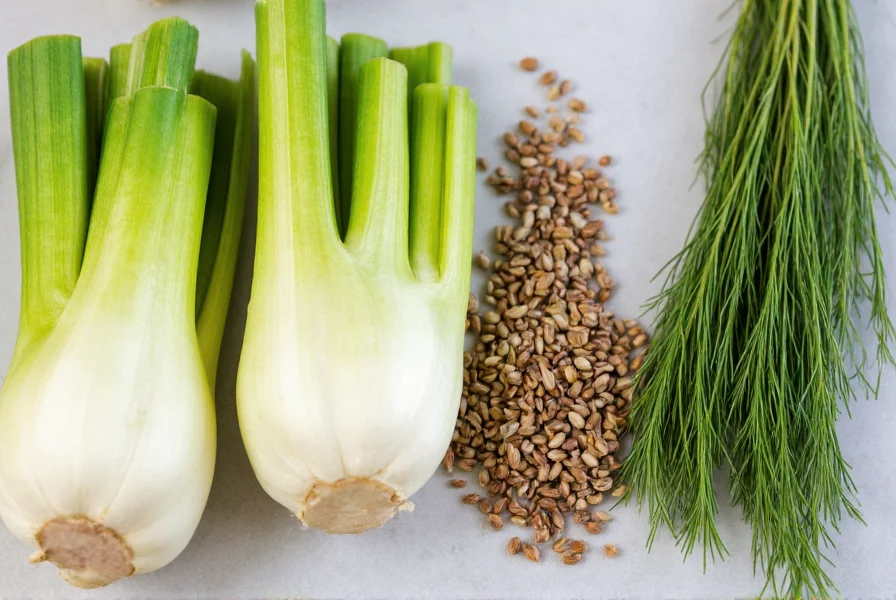
Fennel offers a distinctive flavor profile that combines sweet, licorice-like notes with crisp texture in its bulb form. The seeds contain concentrated essential oils that provide warmth and depth to dishes, while the feathery fronds offer a milder version of the bulb's flavor. When seeking what to use instead of fennel in recipes, consider which aspect of fennel you need to replicate most accurately.
Best Substitutes for Fennel Bulb
The fennel bulb's crisp texture and mild anise flavor make it a star in salads, roasts, and braises. When you need a fennel bulb substitute for soup or other cooked applications:
- Celery plus anise seed - Use 1 cup chopped celery plus 1/8 teaspoon anise seed per fennel bulb. This combination mimics both texture and flavor.
- Onion and apple - For sweeter applications, combine 1/2 cup diced onion with 1/2 cup diced apple to replicate fennel's sweet-crisp profile.
- Bok choy - Works well in Asian-inspired dishes where fennel's anise notes would clash with other flavors.
Fennel Seed Replacements
Fennel seeds provide essential flavor in sausages, breads, and spice blends. The closest fennel seed replacement in Italian cooking includes:
- Anise seeds - Use 3/4 teaspoon anise seed for every 1 teaspoon fennel seed. Anise has a stronger licorice flavor, so use slightly less.
- Dill seed - Substitute 1:1 for fennel seed in pickling recipes and fish dishes where you want a milder flavor.
- Cumin and coriander - For Mediterranean dishes, combine equal parts cumin and coriander (1/2 teaspoon each per 1 teaspoon fennel seed).
| Substitute | Best For | Flavor Intensity | Substitution Ratio |
|---|---|---|---|
| Celery + anise seed | Soups, roasts, braises | Medium | 1 cup celery + 1/8 tsp anise = 1 bulb |
| Anise seed | Breads, sausages, spice blends | Strong | 3/4 tsp anise = 1 tsp fennel seed |
| Dill seed | Pickling, fish dishes | Mild | 1:1 replacement |
| Dill weed | Fresh applications, salads | Mild | 1:1 replacement for fronds |
Substituting Fennel Fronds
The delicate fronds work as both garnish and flavor enhancer. For how to replace fennel in salad recipes, try these options:
- Dill weed - Provides similar feathery texture with complementary flavor (use 1:1 ratio)
- Parsley - Offers visual similarity with milder flavor (use 1:1 ratio)
- Tarragon - Best for French-inspired dishes where anise notes are welcome (use 3/4 ratio due to stronger flavor)
Application-Specific Substitutions
Not all substitutes work equally well across different cooking methods. Understanding best substitute for fennel bulb in soup versus dry applications makes a significant difference:
For Soups and Stews
Celery remains the top choice for replacing fennel bulb in liquid-based dishes. The fibrous structure holds up well during cooking while absorbing surrounding flavors. Add a single star anise during cooking for authentic fennel notes, removing it before serving.
For Roasted Vegetables
When substituting fennel in roasted vegetable medleys, combine carrots and parsnips. Their natural sweetness caramelizes beautifully, mimicking fennel's sugar content. Toss with a pinch of fennel pollen if available for that distinctive finish.
For Sausage and Meat Mixtures
The fennel alternative for people with allergies in meat applications requires careful selection. Anise seed works well but can dominate. Try this blend: 1/2 teaspoon anise seed plus 1/4 teaspoon caraway plus 1/4 teaspoon coriander for every tablespoon of fennel seed called for.
Common Substitution Mistakes
Many home cooks make these errors when seeking fennel substitute for cooking:
- Using too much anise seed, which creates an overpowering licorice flavor
- Substituting fennel pollen with regular fennel seeds (pollen is 5-10x more potent)
- Replacing fresh fronds with dried herbs (dried dill has only 30% of fresh dill's flavor)
- Using fennel substitutes in raw applications where texture matters most
Adjusting Recipes Successfully
When implementing dill vs fennel substitution ratio in your recipes, follow these professional techniques:
- Start with 75% of the recommended substitution amount
- Taste during cooking and adjust incrementally
- Consider adding complementary flavors (lemon zest works well with dill substitutes)
- For seed substitutions, toast alternatives briefly to enhance flavor complexity
- When substituting in baking, reduce liquid by 1-2 teaspoons per cup of substitute
Special Considerations
Certain dietary needs require specific approaches to fennel alternative for people with allergies. Those avoiding anise-family plants (like fennel) due to allergies should steer clear of anise seed and star anise. Instead, use celery seed combined with caraway for savory dishes, or apple slices with lemon zest for fresh applications.
Final Tips for Perfect Substitutions
Mastering fennel substitutions comes down to understanding your specific recipe needs. For Italian sausage recipes, anise seed remains the closest match. In Mediterranean salads, dill provides the best texture match. When time allows, combine two substitutes (like celery plus a touch of anise) for the most authentic results. Remember that proper fennel seed replacement in Italian cooking often requires slightly less potent alternatives to avoid overwhelming other delicate flavors in the dish.
Frequently Asked Questions
Can I use dill instead of fennel in recipes?
Yes, dill works well as a fennel substitute, particularly for the fronds. Use fresh dill weed in a 1:1 ratio for fennel fronds in salads and garnishes. For fennel seeds, use dill seed at a 1:1 ratio in pickling recipes and fish dishes, but note that dill has a milder flavor profile without the anise notes.
What's the best substitute for fennel in tomato sauce?
For tomato-based sauces, celery combined with a pinch of anise seed works best as a fennel bulb substitute. Use 1/2 cup finely diced celery per fennel bulb and add 1/16 teaspoon anise seed. Alternatively, a single piece of crushed star anise added during cooking (and removed before serving) provides authentic flavor without texture.
How do I substitute fennel in sausage recipes?
For sausage recipes requiring fennel seeds, use anise seed at a 3:4 ratio (3/4 teaspoon anise for every 1 teaspoon fennel seed). To avoid overpowering anise flavor, combine 1/2 teaspoon anise seed with 1/4 teaspoon caraway and 1/4 teaspoon coriander per tablespoon of fennel seed called for in the recipe.
Can I use fennel substitutes in baking?
Yes, but with adjustments. When substituting fennel in baking recipes, use anise seed at 3/4 the amount of fennel seed required. Reduce liquid ingredients by 1-2 teaspoons per cup of substitute used, as many fennel alternatives absorb liquid differently. For bread recipes, adding 1/4 teaspoon orange zest enhances the flavor profile when using substitutes.
What's the difference between fennel pollen and fennel seeds as substitutes?
Fennel pollen is significantly more potent than fennel seeds, with concentrated flavor compounds. When substituting, use only 1/5 to 1/10 the amount of pollen compared to seeds. Pollen works best as a finishing touch rather than during cooking. For seed substitutes, anise seed remains the closest match, while pollen substitutes require much more careful measurement.




 浙公网安备
33010002000092号
浙公网安备
33010002000092号 浙B2-20120091-4