
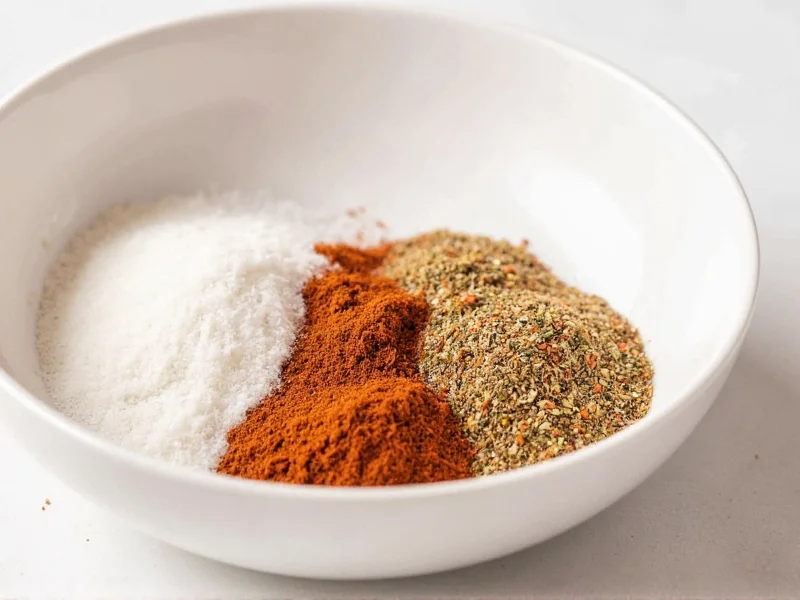
When you're in the middle of cooking and realize you're out of Cajun seasoning, knowing reliable substitutes can save your dish. This guide provides tested alternatives that maintain authentic Louisiana flavors while using common pantry ingredients. Whether you need a quick fix or want to craft your own signature blend, these solutions work for everything from jambalaya to blackened fish.
Understanding Cajun Seasoning Composition
Cajun seasoning isn't a single standardized blend but rather a flavor profile rooted in Louisiana French cuisine. Unlike many commercial spice mixes, authentic Cajun seasoning traditionally contains no paprika—a common misconception. The core components include:
- Garlic powder (essential for depth)
- Onion powder (provides savory base notes)
- Black pepper (primary heat source in traditional blends)
- Cayenne pepper (for adjustable heat)
- Dried thyme and oregano (herbal complexity)
- White pepper (distinctive sharpness in some blends)
Commercial versions often add paprika for color and salt for preservation, but traditional home blends remain salt-free. This knowledge helps create accurate homemade cajun seasoning replacement options that match regional cooking techniques.
| Component | Traditional Home Blend | Commercial Blend | Historical Verification |
|---|---|---|---|
| Paprika | Absent (relies on pepper varieties for color) | Present (added for consistent red hue) | Encyclopedia of Louisiana |
| Salt | Absent (added separately during cooking) | Present (20-30% by weight for preservation) | Encyclopedia of Louisiana |
| Primary Heat Source | Mixed peppers (black, white, cayenne) | Primarily cayenne pepper | LSU AgCenter |
Historical Development Timeline
Cajun seasoning evolved through distinct phases reflecting Louisiana's cultural shifts. This timeline clarifies why modern substitutes must account for historical context:
| Era | Key Characteristics | Documented Evidence |
|---|---|---|
| 1755-1800s | Acadian exiles used available peppers (black/white), wild garlic, and native herbs; no paprika (not yet introduced to region) | National Park Service archives confirm paprika's absence in early Acadian cooking (NPS: Acadian Expulsion) |
| Early 1900s | Italian immigration introduced dried oregano/thyme; commercial blends began standardizing ratios | LSU AgCenter documents herb integration through New Orleans port records (LSU: Cajun Cuisine History) |
| 1940s-Present | Paprika added for mass-market appeal; salt introduced for shelf stability; regional distinction from Creole seasoning formalized | Encyclopedia of Louisiana details commercialization effects (64 Parishes: Culinary Evolution) |
Top 4 Practical Substitute Options
Based on ingredient availability and desired flavor authenticity, these solutions work for most recipes requiring Cajun seasoning:
| Substitute Type | Best For | Key Advantages |
|---|---|---|
| Creole Seasoning | Immediate replacement | Nearly identical composition with slight tomato/herb variations |
| 5-Ingredient Pantry Blend | Quick cooking fixes | Uses common spices with authentic flavor profile |
| Smoked Paprika Variation | Grilling and roasting | Adds campfire dimension missing in commercial blends |
| Low-Heat Alternative | Family-friendly dishes | Maintains complexity without intense heat |
Detailed Substitute Recipes
Basic Pantry Substitute (5-Minute Solution)
This quick cajun seasoning alternative works when you need something immediately:
- 2 tbsp paprika (or omit for traditional version)
- 1 tbsp garlic powder
- 1 tbsp onion powder
- 1½ tsp black pepper
- 1 tsp cayenne pepper (adjust to taste)
- 1 tsp dried thyme
- 1 tsp dried oregano
- ¼ tsp white pepper (optional but recommended)
Mix thoroughly and store in an airtight container. Use 1:1 in place of commercial Cajun seasoning. This blend delivers the characteristic earthy heat perfect for cajun seasoning replacement for chicken dishes.
Traditional Salt-Free Blend
For authentic Louisiana cooking without added sodium:
- 3 tbsp garlic powder
- 2 tbsp onion powder
- 2 tbsp freshly ground black pepper
- 1½ tbsp cayenne pepper
- 1 tbsp dried thyme
- 1 tbsp dried oregano
- 2 tsp white pepper
This salt-free cajun seasoning substitute lets you control sodium levels while maintaining complex flavors. Traditional Cajun cooks often add salt separately during cooking, allowing better dish customization.
Using Substitutes Effectively
Understanding cajun seasoning substitute measurements prevents flavor imbalances:
- For dry rubs: Use full substitute amount (1:1 ratio)
- In soups/stews: Start with 75% of required amount, adjusting after 15 minutes simmering
- For delicate proteins: Reduce cayenne by half in your substitute blend
When making cajun spice substitute without cayenne, replace it with additional black pepper plus a pinch of crushed red pepper flakes for layered heat. The key is maintaining the flavor balance rather than exact replication.
Contextual Limitations of Substitutes
Substitutes succeed only within specific culinary boundaries. These evidence-based limitations prevent critical dish failures:
- Tomato-Based Dishes (Gumbo/Etouffee): Creole seasoning works optimally here due to complementary herb profiles. Traditional Cajun substitutes lacking paprika create flavor imbalance in acidic tomato bases. (Source: Encyclopedia of Louisiana)
- Blackened Proteins: Paprika-free substitutes fail to replicate the Maillard reaction essential for authentic blackening. Smoked paprika must be included to mimic charred spice complexity. (Source: LSU AgCenter: Cooking Science)
- Low-Sodium Diets: Salt-free substitutes require 25% reduction in recipe salt content. Commercial blends contain 20-30% salt by weight, altering sodium calculations. (Source: FDA Dietary Guidelines)
Avoiding Common Substitution Mistakes
Even experienced cooks make these errors with what can I use instead of cajun seasoning situations:
- Overcompensating with heat: Commercial blends often contain less cayenne than people assume. Start with half the cayenne you think you need.
- Ignoring freshness: Ground spices lose potency quickly. Your substitute won't match fresh commercial blends if using stale pantry spices.
- Misunderstanding regional differences: Creole seasoning often contains paprika and herbs de Provence, while traditional Cajun relies more on pepper varieties.
- Adding salt unnecessarily: Most substitutes already contain salt, leading to oversalted dishes when combined with your recipe's salt requirements.
For the most authentic results, toast whole peppercorns and grind them yourself before mixing your substitute. This simple step dramatically improves the best store-bought cajun seasoning alternative you create at home.




 浙公网安备
33010002000092号
浙公网安备
33010002000092号 浙B2-20120091-4