
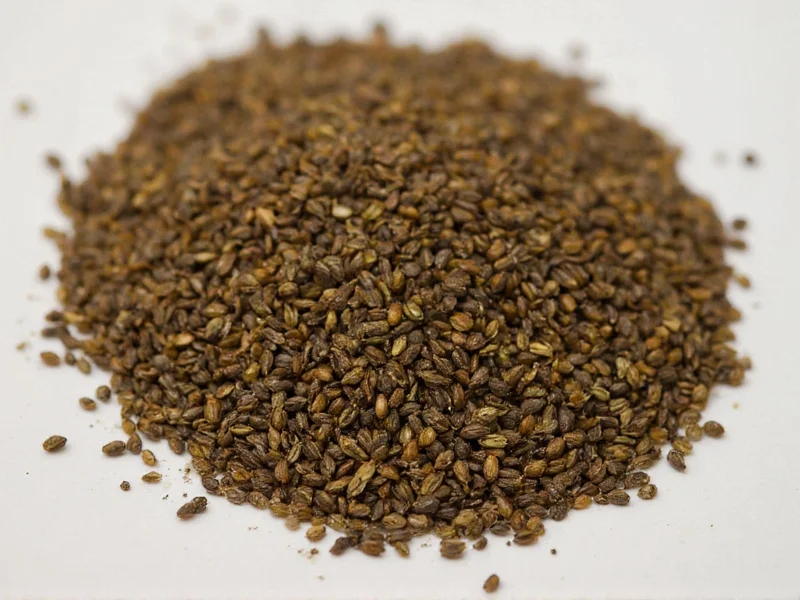
The best substitutes for black mustard seeds are brown mustard seeds (1:1 ratio), yellow mustard seeds (use 25% more), or mustard powder (use 1/2 teaspoon powder for every teaspoon of seeds). For Indian cooking specifically, brown mustard seeds are the closest alternative, while yellow seeds work better for pickling and Western recipes.
When you're in the middle of preparing a recipe that calls for black mustard seeds and realize you're out, knowing the right substitute can save your dish. Black mustard seeds (Brassica nigra) have a distinctive pungent, slightly bitter flavor that's essential in many Indian, Southeast Asian, and Ethiopian dishes. Understanding your substitution options ensures your culinary creation maintains its intended flavor profile.
Understanding Black Mustard Seeds
Native to the Mediterranean and Middle East, black mustard seeds are smaller, darker, and more pungent than their yellow or brown counterparts. When heated in oil (the traditional tadka or tempering technique in Indian cooking), they release a complex flavor that's both nutty and sharp. This unique characteristic makes them irreplaceable in certain regional dishes, but suitable alternatives exist for most cooking applications.
Historical Context: Evolution of Mustard Seed Usage
Mustard seeds have been cultivated since ancient times, with archaeological evidence dating to 3000 BCE in the Indian subcontinent and Mediterranean regions. The Romans popularized prepared mustard by mixing crushed seeds with unfermented grape juice (mustum ardens), while medieval European monastic gardens standardized cultivation practices. Black mustard (Brassica nigra) dominated global use until the 20th century when hardier brown mustard (Brassica juncea) became prevalent due to agricultural challenges—a shift documented in historical food trade records (Britannica, 2023).
Top Substitutes for Black Mustard Seeds
Not all substitutes work equally well in every recipe. The best alternative depends on your specific dish and what flavor profile you're trying to achieve.
Brown Mustard Seeds: The Closest Alternative
Brown mustard seeds (Brassica juncea) are the most similar in flavor and function to black mustard seeds. They're commonly used in Indian, Chinese, and Canadian mustard preparations. While slightly milder than black seeds, they provide a comparable pungency when tempered in hot oil.
Best for: Indian curries, dals, pickles, and spice blends where black mustard seeds are called for. In most Indian recipes, you can substitute brown mustard seeds at a 1:1 ratio without significantly altering the dish's character.
Yellow Mustard Seeds: A Milder Option
Yellow mustard seeds (Sinapis alba) are the mildest of the three main varieties. They're commonly used in American yellow mustard and European pickling recipes. Their flavor is more earthy than pungent.
Best for: Western-style pickles, salad dressings, and marinades. When substituting for black mustard seeds, use about 25% more yellow seeds to compensate for their milder flavor. They won't provide the same depth in Indian dishes but work acceptably in a pinch.
Mustard Powder: The Convenient Alternative
Mustard powder offers a practical solution when you need to replace whole black mustard seeds. Made from ground yellow, brown, or black mustard seeds (or a blend), it delivers concentrated flavor without the tempering step.
Best for: Dry spice rubs, marinades, and sauces where seeds aren't specifically required to be tempered. Use 1/2 teaspoon of mustard powder for every teaspoon of whole black mustard seeds called for in your recipe.
| Substitute | Ratio | Best Culinary Applications | Flavor Difference |
|---|---|---|---|
| Brown mustard seeds | 1:1 | Indian curries, dals, tempering | Slightly milder, less complex |
| Yellow mustard seeds | 1.25:1 | Pickling, Western recipes | Significantly milder, earthier |
| Mustard powder | 1/2 tsp per tsp seeds | Dry rubs, marinades, sauces | More immediate heat, less nuttiness |
| Nigella seeds (kalonji) | 1:1 | Breads, some Indian dishes | Completely different flavor profile |
Culinary Context Matters for Substitution
The ideal substitute for black mustard seeds varies significantly based on the cuisine and specific dish you're preparing. Understanding these nuances helps maintain authenticity in your cooking.
For Indian Cooking
In traditional Indian recipes, black mustard seeds are often used in South Indian cuisine (particularly Tamil Nadu, Kerala, and Andhra Pradesh) for tempering. For authentic results in dishes like thogayal, rasam, or certain vegetable preparations, brown mustard seeds provide the closest approximation. The substitution works particularly well in coconut-based curries and lentil dishes.
When preparing Bengali cuisine, where black mustard seeds are essential for dishes like shorshe ilish (hilsa fish in mustard sauce), consider using a combination of brown mustard seeds and a small amount of mustard oil to approximate the distinctive flavor.
For Pickling and Preserving
Black mustard seeds contribute both flavor and preservative qualities to pickles. For Indian-style pickles (achar), brown mustard seeds remain the best substitute. For Western-style pickles, yellow mustard seeds work better as they're traditionally used in these recipes anyway.
Research confirms black mustard seeds (Brassica nigra) exhibit significantly stronger antimicrobial activity than yellow varieties due to higher sinigrin content—which hydrolyzes into pathogen-inhibiting allyl isothiocyanate—making them critical in traditional low-vinegar preservation methods (NCBI, 2018). When substituting for pickling, remember that yellow seeds have weaker antimicrobial properties. If using them in preservation-critical recipes, increase vinegar content by 10% or extend processing time by 15 minutes.
Flavor Profile Considerations
Each mustard seed variety contains different levels of sinigrin and other glucosinolates that create that characteristic pungency when broken down by moisture or heat. Black mustard seeds have the highest concentration (up to 4.7% sinigrin versus 2.1% in yellow seeds), which is why they deliver the most intense flavor (Journal of Agricultural and Food Chemistry, 2017).
When substituting, consider these flavor adjustments:
- If using yellow mustard seeds as a substitute for black, add a pinch of asafoetida (hing) to boost the savory depth
- For recipes requiring the distinctive pop of tempered black mustard seeds, brown seeds will provide a similar textural element
- Mustard powder won't provide the same textural experience but delivers immediate flavor intensity
When Substitution Isn't Recommended
While substitutes work well in most situations, certain traditional dishes rely so heavily on the unique properties of black mustard seeds that substitution significantly alters the dish:
- Traditional Ethiopian berbere spice blend (where black mustard is essential)
- Specific South Indian temple food preparations
- Certain artisanal pickles where black mustard's superior antimicrobial efficacy is non-negotiable. As demonstrated in food safety research, black seeds inhibit E. coli growth at concentrations where yellow seeds show minimal effect—making them indispensable in heritage preservation techniques (NCBI, 2018)
In these cases, it's worth seeking out authentic black mustard seeds rather than substituting. Many Indian grocery stores and online retailers carry them year-round.
Practical Tips for Using Substitutes
When substituting mustard seeds in your recipes, follow these professional kitchen tips:
- Always toast substitutes in oil just as you would black mustard seeds to maximize flavor release
- For recipes calling for crushed black mustard seeds, use a mortar and pestle with your substitute to achieve similar texture
- If using mustard powder as a substitute in tempering, mix it with a small amount of water first to prevent burning
- When substituting in baking applications, remember that whole seeds provide texture that powder cannot replicate




 浙公网安备
33010002000092号
浙公网安备
33010002000092号 浙B2-20120091-4