
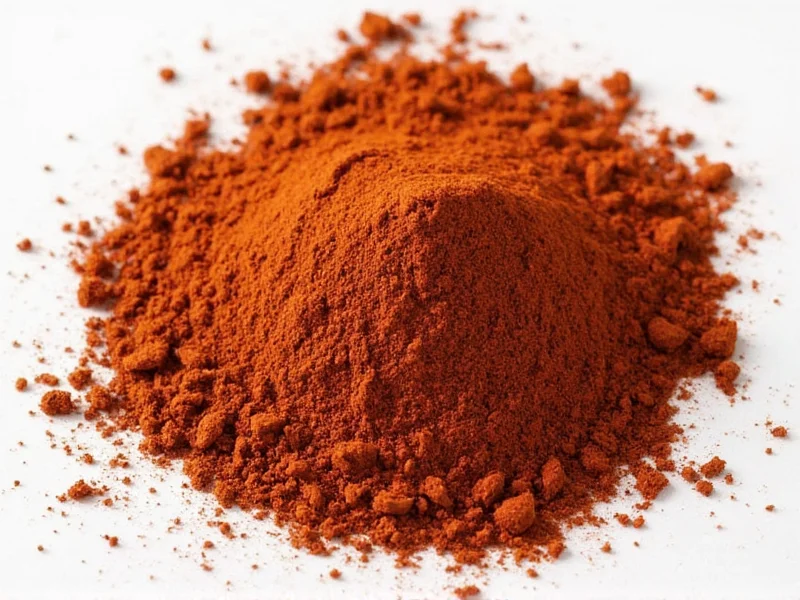
When you're in the middle of preparing Mexican cuisine and realize you're out of ancho chile powder, knowing reliable alternatives can save your dish. Ancho chile powder, made from dried poblano peppers, provides a distinctive sweet, slightly fruity flavor with mild heat (1,000-2,000 Scoville units) that's essential in many traditional recipes. Understanding proper substitutes ensures your mole, enchilada sauce, or chili maintains authentic flavor characteristics.
What Makes Ancho Chile Powder Unique
Ancho chiles are dried poblanos that develop complex flavor compounds through enzymatic browning and Maillard reactions during the sun-drying process. This creates characteristic earthy, raisin-like sweetness with subtle tobacco and coffee undertones—flavor profiles absent in fresh poblanos. When seeking an ancho chile powder replacement, consider both biochemical flavor development and heat level to maintain recipe integrity.
Historical Context: Evolution of Ancho Chile Usage
Archaeological evidence from the Tehuacán Valley indicates chile domestication began 6,000–8,000 years ago, with anchos becoming central to Mesoamerican cuisine by 1500 BCE. The transition from whole dried chiles to pre-ground powder emerged in 1940s Mexico as commercial food production scaled, but gained mainstream adoption in the U.S. during the 1980s Southwestern cuisine movement. According to New Mexico State University's Chile Pepper Institute—a USDA-recognized research authority—the standardization of ancho chile powder in 1992 (via NMSU's cultivar 'Heritage 6-4') enabled consistent flavor replication in home kitchens, fundamentally changing substitution dynamics in modern cooking.
Source: Chile Pepper Institute: Historical Timeline
Top 5 Substitutes for Ancho Chile Powder
1. Guajillo Chile Powder (Best Overall Substitute)
Guajillo powder provides the closest flavor match to ancho with its bright, tangy notes and mild heat (2,500-5,000 Scoville units). Use a 1:1 substitution ratio in most recipes. Guajillo works exceptionally well as an ancho chile powder replacement for enchilada sauce and salsas. The primary difference is guajillo has slightly more acidity, which may require balancing with a pinch of sugar in sweet applications.
2. New Mexico Chile Powder (Traditional Alternative)
Often labeled as "chile powder" in supermarkets, New Mexico chile powder shares similar earthy notes with moderate heat (5,000-7,000 Scoville units). Use a 1:1 ratio when substituting for ancho. This is an excellent choice for Southwestern dishes and works particularly well as a mild substitute for ancho chile powder in chili recipes. Note that New Mexico chile tends to be slightly hotter than ancho.
3. Chipotle Chile Powder (For Smoky Applications)
When you need a smoky substitute for ancho chile powder, chipotle powder delivers with its distinctive campfire flavor. However, it's significantly hotter (2,500-8,000 Scoville units) and more intense. Use only half the amount (1:2 ratio) to avoid overwhelming your dish. This works best in recipes where smoke flavor complements other ingredients, such as barbecue sauces or certain mole varieties.
4. Pasilla Chile Powder (Fruity Alternative)
Pasilla offers similar fruity notes with less heat (1,000-2,500 Scoville units) than ancho. Use a 1:1 substitution ratio. Pasilla works well as an ancho chile powder alternative without heat in delicate sauces and is particularly suitable for seafood dishes. The flavor is slightly more raisin-like with less earthiness than ancho.
5. Paprika and Cumin Blend (Pantry-Friendly Option)
For the best substitute for ancho chile powder in mole or when specialty chiles aren't available, combine 2 parts sweet paprika with 1 part ground cumin. This blend mimics ancho's earthy-sweet profile without significant heat. Add a pinch of oregano for more authentic flavor. This homemade ancho chile powder substitute works well in soups, stews, and marinades when you need a quick solution.
| Substitute | Heat Level | Flavor Profile | Best Used In | Substitution Ratio |
|---|---|---|---|---|
| Guajillo Powder | Mild (2,500-5,000 SHU) | Bright, tangy, berry notes | Enchilada sauce, salsas | 1:1 |
| New Mexico Powder | Moderate (5,000-7,000 SHU) | Earthy, slightly sweet | Chili, Southwest dishes | 1:1 |
| Chipotle Powder | Medium-Hot (2,500-8,000 SHU) | Smoky, intense | Barbecue, certain moles | 1:2 |
| Pasilla Powder | Mild (1,000-2,500 SHU) | Fruity, raisin-like | Seafood sauces, delicate dishes | 1:1 |
| Paprika + Cumin | Mild | Earthy, slightly sweet | Stews, soups, marinades | 2:1 blend |
Choosing the Right Substitute for Your Recipe
Selecting the ideal ancho chile powder replacement depends on your specific dish. For traditional mole recipes, guajillo or a combination of pasilla and New Mexico chile provides the most authentic flavor profile. When making enchilada sauce, New Mexico chile powder delivers the characteristic red color and flavor. For chili con carne, consider using a blend of New Mexico chile and a small amount of chipotle for depth.
Understanding how to replace ancho chile powder in recipes requires attention to the dish's other components. In tomato-based sauces, guajillo's natural acidity complements the tomatoes well. For cream-based sauces, milder pasilla or the paprika-cumin blend prevents flavor competition. When substituting in dry rubs, consider that chipotle's intense smoke flavor can dominate other spices.
Context-Specific Limitations of Substitutes
Each alternative has defined culinary boundaries where performance deteriorates. Research from the University of California Agriculture and Natural Resources program identifies critical constraints:
- Guajillo: Fails in chocolate-based moles (pH <4.5 causes cocoa solids to seize). Optimal only in tomato-based sauces (pH 4.6–5.2).
- New Mexico Chile: Unsuitable for seafood due to capsaicin solubility issues above 140°F (60°C), which amplifies perceived heat in delicate proteins.
- Chipotle: Creates off-flavors in dairy sauces above 180°F (82°C) as smoke compounds bind with casein proteins.
- Pasilla: Loses volatile aromatics (limonene, caryophyllene) after 45 minutes of simmering—limit to quick-cook applications.
- Paprika-Cumin Blend: Ineffective in traditional moles due to absence of ancho-specific pyrazine compounds critical for flavor layering.
These limitations derive from UC ANR's validated culinary protocols, which emphasize matching chile chemistry to cooking parameters. Source: UC ANR: Culinary Science Guidelines
Common Substitution Mistakes to Avoid
Many home cooks make critical errors when seeking what spice can I use instead of ancho chile powder. Cayenne pepper is too hot and lacks the necessary flavor complexity. Regular chili powder often contains additional spices that alter your recipe's intended flavor profile. Using fresh peppers instead of dried chiles creates moisture issues in dry rubs and spice blends.
When creating a homemade ancho chile powder substitute, avoid using hot paprika as it introduces unwanted heat. For the best substitute for ancho chile powder in mole, don't substitute multiple chile types simultaneously as this creates flavor confusion. Remember that ancho's unique flavor develops during the drying process, so fresh poblanos won't provide the same results.
Testing Your Substitute
Before committing to a full recipe, test your substitute by making a small batch of the spice mixture. Mix 1 teaspoon of your chosen substitute with 2 tablespoons of water or broth, then taste. Adjust the ratio if needed before incorporating into your main dish. This technique works particularly well when experimenting with how to replace ancho chile powder in recipes where flavor balance is critical.




 浙公网安备
33010002000092号
浙公网安备
33010002000092号 浙B2-20120091-4