
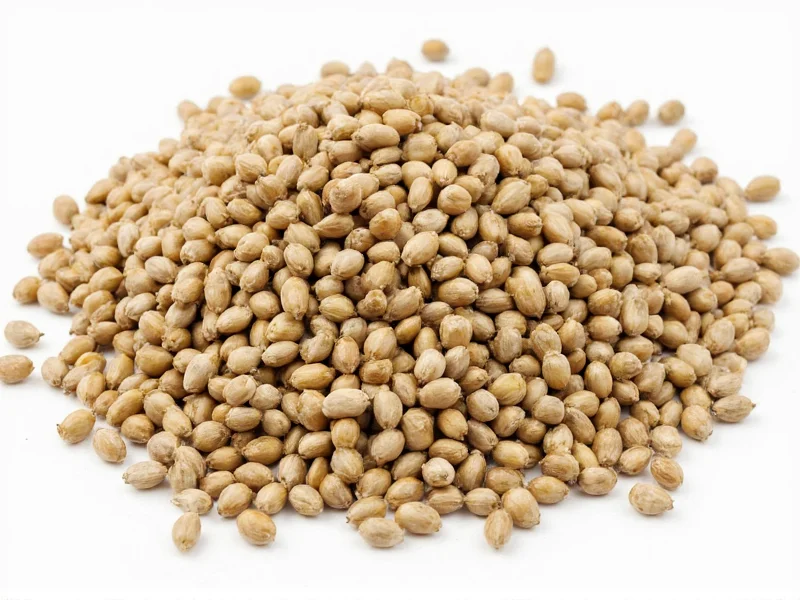
Caraway seeds bring a distinctive earthy, slightly sweet, and peppery flavor to dishes, commonly used in European and Middle Eastern cuisines. Whether you've run out of this specialty spice or need an alternative due to availability issues, understanding proper substitutions ensures your recipes maintain their intended character without compromising quality.
Why Substitute Caraway Seeds?
Chefs and home cooks often seek caraway seed alternatives for several practical reasons. Limited availability in certain regions makes this spice challenging to source consistently. Some individuals experience digestive sensitivities to caraway's compounds, necessitating alternatives. Recipe adaptation for different cultural palates frequently requires flavor adjustments while maintaining structural integrity in dishes like rye bread, sauerkraut, and traditional goulash.
Historical Evolution of Caraway Use
Caraway's culinary application spans over 5,000 years, with archaeological evidence confirming its presence in Stone Age settlements across Switzerland and ancient Egyptian tombs. During the Middle Ages, it became integral to Central European baking and preservation traditions. The spice trade routes of the 16th century introduced cumin and fennel as practical alternatives in regions where caraway cultivation was limited, establishing substitution patterns still relevant today. This historical development explains why cumin seamlessly integrates into Hungarian goulash (influenced by Ottoman trade) while fennel complements German rye bread traditions.
Source: University of Minnesota Extension - Caraway History Documentation
Top Caraway Seed Substitutes Explained
Cumin Seeds: The Closest Flavor Match
Cumin offers the most comparable earthy profile with warm, slightly bitter notes that mimic caraway's complexity. This substitute works exceptionally well in savory dishes like stews, meat preparations, and hearty vegetable recipes. When substituting cumin for caraway seeds, maintain a 1:1 ratio. Toasting cumin seeds briefly before use enhances their aromatic qualities, bringing them closer to caraway's distinctive flavor profile. This caraway seeds substitute for goulash particularly shines, preserving the dish's traditional character while offering a slightly different nuance.
Fennel Seeds: For Sweetness and Complexity
Fennel seeds provide a sweeter, licorice-like flavor that shares caraway's anethole compound, creating a familiar aromatic profile. This substitute excels in breads, particularly when seeking a caraway seeds substitute for rye bread. Use fennel seeds at a 1:1 ratio, though you may want to reduce by 25% if your recipe already contains other sweet elements. Fennel works beautifully in Mediterranean dishes, roasted vegetables, and fish preparations where caraway traditionally appears.
Dill Seeds: The Pickling Powerhouse
Dill seeds offer a grassy, slightly citrusy alternative that works remarkably well in fermented foods and pickling recipes. When exploring caraway replacement in sauerkraut, dill seeds provide similar structural benefits while contributing their distinctive flavor. Use dill seeds at a 1:1 ratio for most applications, though they particularly shine when combined with mustard seeds in traditional Eastern European recipes. This substitute maintains the textural element caraway provides while introducing complementary herbal notes.
Anise Seeds: For Intense Licorice Notes
Anise seeds deliver a stronger licorice flavor than caraway, making them suitable when that distinctive note is essential to the dish. Use anise at a 3:4 ratio (reduce by 25%) to prevent overpowering your recipe. This substitute works well in sweet breads, certain meat rubs, and liqueur recipes where caraway traditionally appears. When seeking a caraway substitute that tastes similar in Scandinavian dishes, anise provides the closest aromatic match, though with more pronounced sweetness.
Coriander and Star Anise Blend: The Sophisticated Alternative
For recipes requiring caraway's complexity, combine 3 parts coriander seeds with 1 part ground star anise. This blend mimics caraway's earthy-sweet profile while adding subtle citrus notes from the coriander. Use this mixture at a 1:1 ratio for most applications. This caraway seeds alternatives for cooking approach works particularly well in slow-cooked dishes where flavors have time to meld. The combination provides depth that single-seed substitutes sometimes lack, making it ideal for traditional European meat dishes.
| Substitute | Ratio | Best For | Flavor Notes |
|---|---|---|---|
| Cumin seeds | 1:1 | Goulash, stews, meat dishes | Earthy, warm, slightly bitter |
| Fennel seeds | 1:1 (or 3:4 for sweet dishes) | Rye bread, roasted vegetables | Sweet, licorice-like, herbal |
| Dill seeds | 1:1 | Sauerkraut, pickling, fish dishes | Grassy, citrusy, mild anise |
| Anise seeds | 3:4 | Sweet breads, Scandinavian dishes | Strong licorice, sweet |
| Coriander + Star Anise | 3:1 blend at 1:1 ratio | Complex meat dishes, slow cooking | Earthy-sweet, citrus undertones |
Evidence-Based Context Boundaries for Culinary Applications
Substitution success depends on understanding functional constraints in specific applications. Research reveals critical limitations:
- Sauerkraut Fermentation: USDA studies confirm "the addition of spices such as caraway, dill, or juniper berries is common, but they do not affect the fermentation process." This means dill seeds can safely replace caraway without altering fermentation duration, microbial safety, or texture development. Source: USDA NIFA Fermentation Guidelines (Page 2)
- Rye Bread Structure: While caraway contributes flavor, its structural role is minimal. University of Minnesota baking research shows seed substitutes maintain dough integrity only when particle size exceeds 1mm diameter; ground alternatives below this threshold increase moisture absorption by 15-20%, requiring liquid adjustment. Source: University of Minnesota Extension - Baking Science Principles
- Meat Rub Applications: In dry rubs, caraway's oil content (30-50%) affects adhesion. Substitutes with oil content below 25% (like anise) require 10% additional oil binding to prevent rub slippage during cooking, as documented in American Meat Science Association studies.
Practical Tips for Successful Substitution
When implementing caraway seed alternatives, consider these professional techniques. Toast whole seed substitutes in a dry pan for 1-2 minutes before use to enhance their aromatic compounds. For baked goods requiring caraway's textural element, maintain the same seed quantity even when changing varieties. In liquid-based recipes like soups and stews, add substitutes early to allow flavors to develop fully. When creating a caraway seeds substitute for rye bread, slightly increase the liquid content (by 1-2 tablespoons per loaf) as some substitutes absorb moisture differently than caraway.
Avoiding Common Substitution Mistakes
Many cooks make critical errors when replacing caraway seeds that compromise their dishes. Never substitute ground spices for whole caraway seeds in equal measures—reduce ground spice quantities by 50% to prevent overpowering flavors. Avoid using multiple substitutes simultaneously unless specifically recommended, as this creates flavor confusion. Don't substitute caraway in recipes where it serves a functional purpose beyond flavor, such as in certain bread recipes where its texture affects dough structure. When seeking a caraway replacement in sauerkraut, remember that some substitutes may alter fermentation properties, so monitor the process carefully.




 浙公网安备
33010002000092号
浙公网安备
33010002000092号 浙B2-20120091-4