
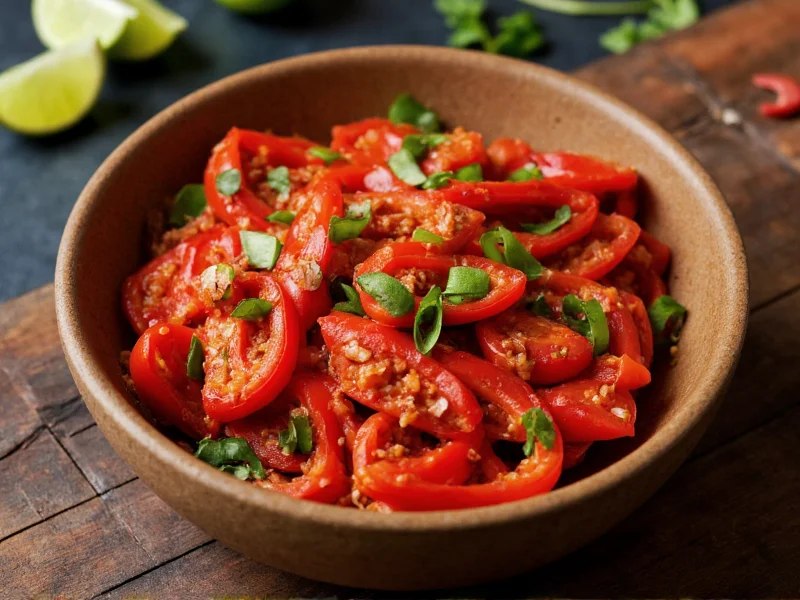
When you need a Thai chili substitute, understanding the unique characteristics of these small but mighty peppers is essential for maintaining authentic flavor in your dishes. Thai chilies, also known as bird's eye chilies, pack significant heat (50,000-100,000 Scoville units) with a bright, floral note that's fundamental to Southeast Asian cuisine. Finding the right replacement depends on whether you need fresh or dried alternatives and how much heat your recipe requires.
Understanding Thai Chili Characteristics
Before selecting a substitute, recognize what makes Thai chilies distinctive. These small, slender peppers (typically 1-2 inches long) range from bright green to vibrant red when mature. Their heat level sits between serranos and habaneros on the Scoville scale, delivering an immediate, sharp burn rather than a slow-building heat. Unlike many chilies, Thai varieties maintain their flavor integrity when cooked, making them versatile for both raw and cooked applications.
When searching for the best substitute for Thai chili peppers in your cooking, consider three key factors: heat intensity, flavor profile, and texture. The ideal replacement matches as many of these elements as possible while remaining accessible in your local market.
Top Fresh Thai Chili Substitutes
For most Southeast Asian recipes calling for fresh Thai chilies, these alternatives work well with minor adjustments:
| Substitute | Heat Level (Scoville) | Ratio to Thai Chili | Best For |
|---|---|---|---|
| Serrano peppers | 10,000-23,000 | 1:1 | Thai curries, salads, dipping sauces |
| Other bird's eye varieties | 50,000-100,000 | 1:1 | Authentic Thai dishes when available |
| Jalapeño + cayenne | 2,500-8,000 + 30,000-50,000 | 1 jalapeño + 1/8 tsp cayenne | Everyday cooking, milder applications |
| Fresno peppers | 2,500-10,000 | 1.5:1 | Thai-inspired dishes needing less heat |
| Hungarian wax peppers | 1,000-15,000 | 2:1 | Mild substitutions, beginner-friendly cooking |
Fresh Pepper Substitution Guide
Serrano peppers represent the closest fresh alternative to Thai chilies in both heat and flavor profile. When using serranos as a Thai bird's eye chili replacement, maintain a 1:1 ratio in most recipes. Their slightly thicker walls won't affect texture in cooked dishes, though raw applications might show minor textural differences.
For authentic heat levels when serranos aren't sufficiently spicy, combine jalapeños with a small amount of cayenne pepper. This approach works particularly well for how to replace Thai chilies in recipes requiring significant heat. Start with one jalapeño per Thai chili called for, plus 1/8 teaspoon cayenne, then adjust to taste.
When preparing milder versions of Thai dishes for sensitive palates, Fresno peppers provide a suitable alternative with their similar shape and moderate heat. Use 1.5 Fresnos for every Thai chili in your recipe, adding a pinch of red pepper flakes if additional heat is needed.
Dried and Powdered Alternatives
Dried Thai chilies have distinct applications in Southeast Asian cooking, particularly in curry pastes and spice blends. When seeking a dried Thai chili powder substitute, consider these options:
- Crushed red pepper flakes: Use 1/2 teaspoon flakes per dried Thai chili, adjusting for heat preference
- Combination of paprika and cayenne: Mix 3 parts smoked paprika with 1 part cayenne for depth and heat
- Chinese dried chilies: Available in most Asian markets, these provide similar heat with slightly different flavor notes
- Chipotle powder: For smoky applications, use sparingly (1/4 teaspoon per dried chili)
When creating curry pastes or spice mixes requiring dried Thai chilies, the paprika-cayenne combination delivers the most balanced flavor profile. This Thai kitchen ingredient substitution works particularly well in massaman or panang curries where smokiness complements other ingredients.
Regional Substitution Strategies
Consider your recipe's specific regional origin when selecting substitutes. Thai cuisine varies significantly between regions:
- Central Thai dishes: Prioritize heat accuracy with serranos or bird's eye varieties
- Northern Thai recipes: Focus on flavor complexity with milder peppers plus additional aromatics
- Isaan (Northeastern) cuisine: Maintain high heat levels with serranos or cayenne-enhanced jalapeños
- Thai-Muslim influenced dishes: Consider adding a touch of cumin or coriander to complement substitutions
For authentic results in mild substitute for Thai chili applications, remember that traditional Thai cooking often provides cooling elements (like coconut milk or palm sugar) to balance heat. Adjust these components when using milder substitutes to maintain proper flavor equilibrium.
Practical Cooking Tips
Implement these techniques when using Thai chili alternatives:
- Add substitutes later in cooking than Thai chilies to prevent flavor degradation
- Remove seeds and membranes from substitute peppers to control heat levels
- For raw applications like som tum (papaya salad), finely mince substitutes to match Thai chili texture
- When making curry pastes, toast dried substitutes briefly before grinding for enhanced flavor
- Always taste as you go—substitutes may require adjustment based on batch variations
Understanding the spice level of Thai chili substitutes prevents over- or under-seasoning. Keep in mind that heat perception varies between pepper varieties—even if Scoville ratings match, the burn quality might differ. Thai chilies deliver an immediate, sharp heat, while jalapeños produce a slower-building warmth.
Storage and Preparation Considerations
Proper handling affects substitution success. Fresh substitutes maintain quality for 1-2 weeks when stored in perforated plastic bags in the refrigerator's crisper drawer. For longer storage, freeze whole peppers on a baking sheet before transferring to freezer bags—this Thai chili alternative preparation method preserves texture better than freezing in liquid.
When working with potent substitutes like serranos, wear gloves to prevent skin irritation. The capsaicin in these peppers can transfer to sensitive areas, causing discomfort long after preparation. Always wash cutting boards and utensils thoroughly after handling hot peppers to avoid cross-contamination.




 浙公网安备
33010002000092号
浙公网安备
33010002000092号 浙B2-20120091-4