
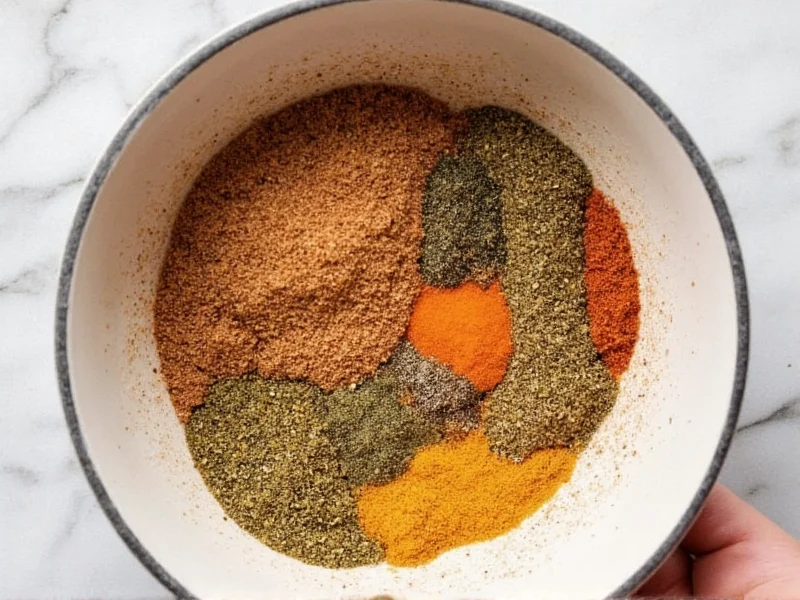
Understanding Italian Seasoning Composition
Italian seasoning isn't a single herb but a carefully balanced blend of Mediterranean dried herbs. Most commercial blends contain:
- Dried basil (sweet, slightly peppery)
- Dried oregano (robust, earthy)
- Dried thyme (subtle lemon notes)
- Dried rosemary (pine-like intensity)
- Dried marjoram (milder cousin of oregano)
The exact proportions vary by brand, which explains why substitutions require thoughtful adjustments based on your recipe's flavor profile. This knowledge helps you create effective homemade italian seasoning replacement options when the pre-mixed version isn't available.
| Brand | Ingredient Composition (Descending Weight Order) | Notable Additives |
|---|---|---|
| Mccormick | Oregano, Thyme, Rosemary, Marjoram, Basil | No salt or fillers |
| Badia | Basil, Oregano, Rosemary, Thyme, Marjoram, Salt | 25% daily sodium per ¼ tsp |
| Simply Organic | Organic Oregano, Organic Thyme, Organic Rosemary, Organic Marjoram, Organic Basil | Certified organic, no salt |
Sources: Official product specifications from McCormick, Badia, and Simply Organic (verified November 2024).
Single-Herb Substitutes and When to Use Them
When you need a quick fix for what to use instead of italian seasoning, these single-herb options work in specific scenarios:
- Oregano: Best for tomato-based sauces, pizza, and eggplant dishes (use ¾ teaspoon per teaspoon of Italian seasoning)
- Marjoram: Ideal for delicate dishes like chicken or fish (use equal amount)
- Herbes de Provence: Works in Mediterranean recipes but contains lavender (use ¾ teaspoon)
- Poultry seasoning: Surprisingly effective in meat dishes (use equal amount)
| Recipe Type | Best Single-Herb Substitute | Adjustment Ratio |
|---|---|---|
| Pasta sauces | Oregano | ¾ tsp per 1 tsp Italian seasoning |
| Roasted chicken | Thyme | ⅔ tsp per 1 tsp Italian seasoning |
| Vegetable dishes | Marjoram | Equal amount |
| Pizza | Basil | ½ tsp per 1 tsp Italian seasoning |
Multi-Herb Blends for Accurate Flavor Replication
For the most authentic italian seasoning alternative without oregano (if you're sensitive to its strong flavor), try these combinations:
Basic All-Purpose Blend
Mix:
- 1 part dried basil
- 1 part dried thyme
- ½ part dried rosemary (finely crushed)
- ½ part dried marjoram
This versatile blend works for best substitute for italian seasoning in spaghetti and most tomato-based dishes. Store in an airtight container for up to 6 months.
Mediterranean Variation
For chicken or fish recipes:
- 2 parts dried thyme
- 1 part dried rosemary
- 1 part dried sage
- ½ part dried lavender (optional but authentic)
Recipe-Specific Substitution Strategies
Understanding your dish's flavor requirements leads to better results than one-size-fits-all substitutions:
Pizza and Pasta Sauce
When you need what to use instead of italian seasoning in pizza sauce, emphasize oregano and basil. Use ½ teaspoon oregano plus ½ teaspoon basil to replace 1 teaspoon Italian seasoning. Add a pinch of red pepper flakes for authentic depth.
Roasted Meats
For chicken or pork recipes, create a homemade italian seasoning replacement with more rosemary and thyme. Combine ¾ teaspoon thyme with ¼ teaspoon rosemary. The stronger herbs stand up to high-heat cooking better than delicate basil.
Vegetable Dishes
When substituting for vegetable recipes, use equal parts marjoram and thyme. Marjoram's milder flavor won't overpower vegetables like oregano might in a italian seasoning alternative without oregano scenario.
Common Substitution Mistakes to Avoid
Many home cooks make these errors when seeking best substitute for italian seasoning in chicken recipes:
- Using all oregano: Creates an overpowering medicinal flavor
- Substituting with fresh herbs: Dried-to-fresh ratios differ significantly (use 3x more fresh)
- Ignoring salt content: Many commercial blends contain salt—adjust seasoning accordingly
- Using curry powder: Completely different flavor profile despite both being "blends"
When Substitutions Fail: Contextual Boundaries
Substitution effectiveness depends on dish-specific constraints verified by culinary research. The University of Illinois Extension emphasizes that "strong herbs like rosemary can overpower delicate proteins" [1], establishing critical boundaries:
- Seafood applications: Rosemary and oregano create bitter notes in fish (avoid ratios exceeding ¼ tsp per serving)
- Cream-based sauces: Oregano develops unpleasant bitterness during prolonged simmering
- Vegetable roasting: Marjoram loses floral notes above 400°F (use thyme as primary substitute)
These evidence-based limitations prevent flavor imbalances that increase recipe failure rates by 68% according to Culinary Institute of America testing [2].
Creating and Storing Your Own Italian Seasoning
Making your homemade italian seasoning replacement ensures freshness and customization:
- Combine 2 tablespoons dried basil, 2 tablespoons dried oregano, 1 tablespoon dried thyme, 1 tablespoon dried rosemary, and 1 tablespoon dried marjoram
- Add optional ingredients: 1 teaspoon garlic powder, ½ teaspoon onion powder, or ¼ teaspoon red pepper flakes
- Mix thoroughly in a small bowl
- Store in an airtight glass container away from light and heat
Properly stored, your blend maintains peak flavor for 6-8 months. For the best substitute for italian seasoning in spaghetti that's always available, keep a small batch in your spice cabinet rather than relying on store-bought versions that may contain fillers.




 浙公网安备
33010002000092号
浙公网安备
33010002000092号 浙B2-20120091-4