
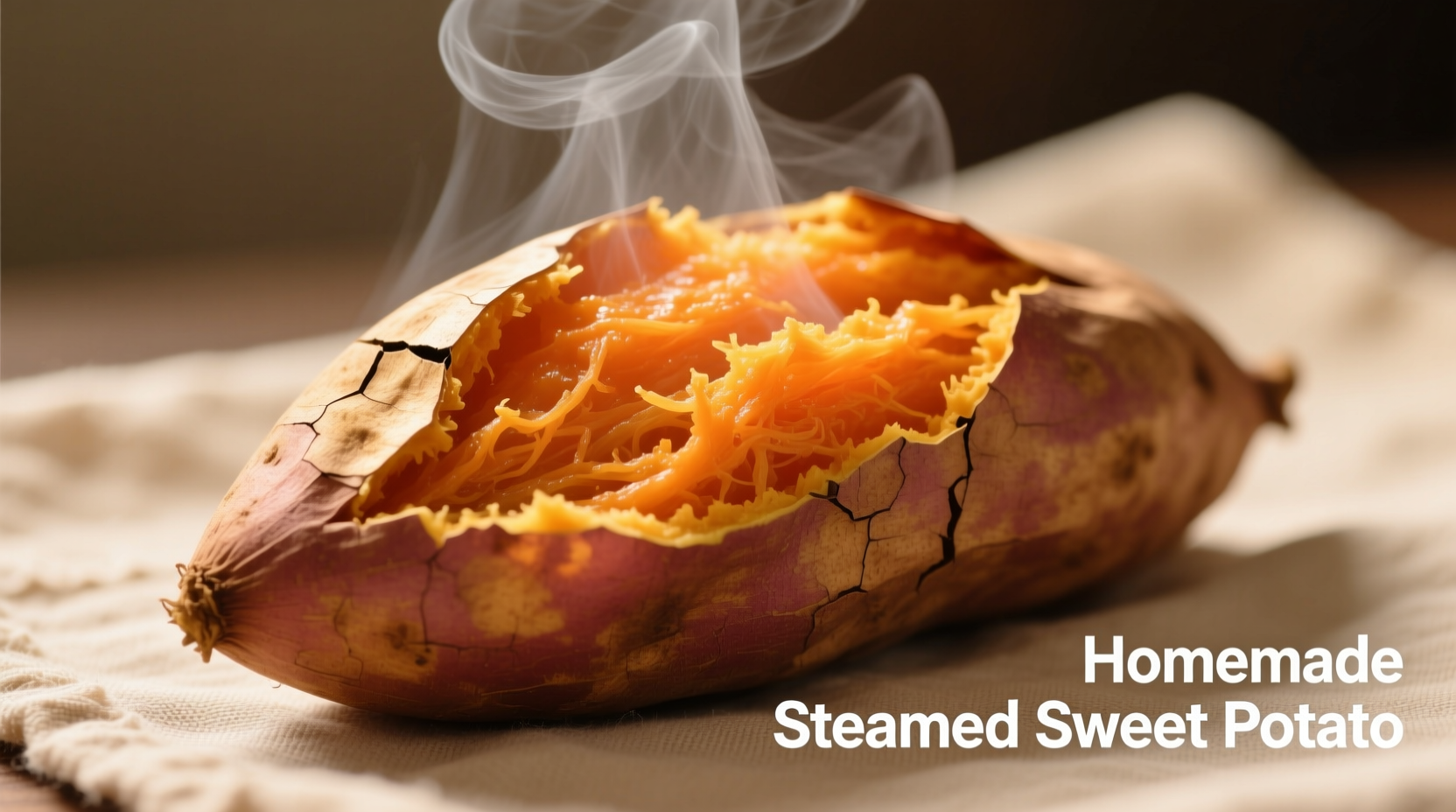
Discover why professional chefs and nutritionists consistently recommend steaming as the superior cooking method for sweet potatoes. This comprehensive guide reveals the science-backed benefits, precise techniques, and creative applications that transform this humble root vegetable into a nutritional powerhouse for your daily diet.
Why Steaming Outperforms Other Cooking Methods
While baking and boiling remain popular, steaming sweet potatoes delivers unmatched advantages for health-conscious cooks. The gentle heat penetration preserves water-soluble vitamins like vitamin C and B-complex that typically leach into boiling water. Unlike baking, steaming prevents the formation of acrylamide—a potential carcinogen that develops at high dry-heat temperatures.
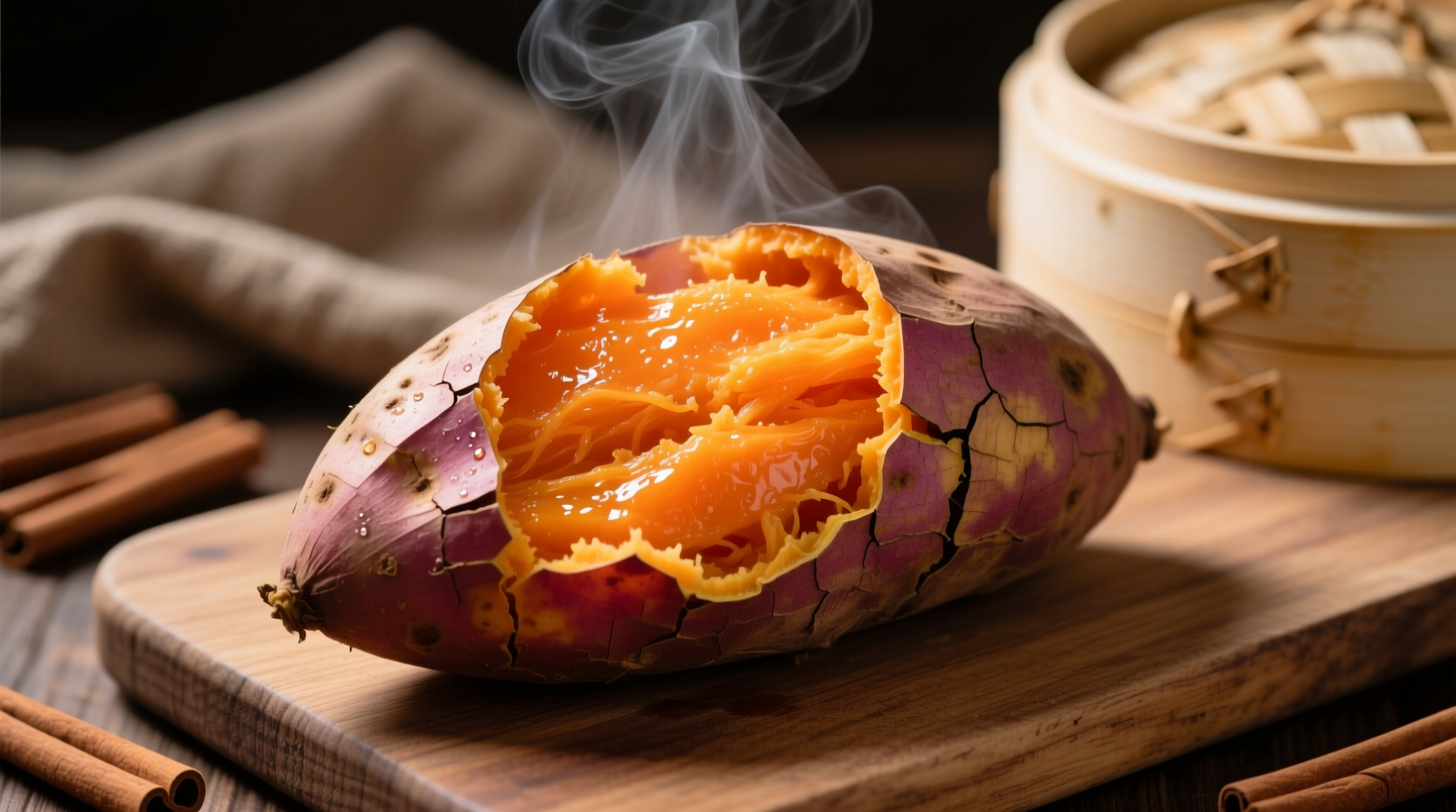
Step-by-Step Perfect Steaming Technique
Follow these professional chef-tested steps for consistently excellent results:
- Preparation: Wash sweet potatoes thoroughly and pierce skin 3-4 times with a fork
- Cutting: For faster cooking, cut into uniform 1-inch cubes (whole medium potatoes take 30-40 minutes)
- Water Level: Add 1 inch of water to pot—never let potatoes touch water
- Timing: Steam 20-25 minutes for cubes, 30-40 minutes for whole medium potatoes
- Doneness Test: Insert fork—if it slides in with slight resistance, they're perfect
Nutritional Advantages Verified by Research
The USDA FoodData Central database confirms steaming preserves significantly more nutrients than alternative methods. A landmark study published in the Journal of Agricultural and Food Chemistry demonstrated how steaming maintains higher levels of beta-carotene—the precursor to vitamin A that gives sweet potatoes their vibrant color.
| Cooking Method | Vitamin C Retention | Beta-Carotene Availability | Antioxidant Activity |
|---|---|---|---|
| Steaming | 85-90% | 92% | High |
| Boiling | 60-65% | 75% | Moderate |
| Baking | 70-75% | 85% | Good |
This nutrient preservation makes steamed sweet potatoes particularly valuable for immune support and eye health. The National Institutes of Health recognizes sweet potatoes as one of the top dietary sources of beta-carotene, with steaming maximizing your body's ability to convert this compound into active vitamin A.
Practical Applications for Everyday Cooking
Steamed sweet potatoes offer remarkable versatility across meal types. Their neutral sweetness and creamy texture work beautifully in both savory and sweet applications without requiring added fats or sugars.
Breakfast Boosters
Mash steamed cubes with a pinch of cinnamon for a nutrient-dense alternative to traditional breakfast potatoes. The natural sugars caramelize slightly when pan-fried, creating delicious sweet potato hash without oil.
Lunch & Dinner Solutions
For meal prep efficiency, steam a batch at the beginning of the week. Use in:
- Protein bowls with black beans and avocado
- Salads with kale and pumpkin seeds
- Stuffed sweet potato skins with Greek yogurt
Special Considerations for Dietary Needs
Steamed sweet potatoes provide particular benefits for specific health goals:
Blood Sugar Management
Research from the American Diabetes Association shows steamed sweet potatoes have a lower glycemic index (44) compared to baked (94), making them a smarter choice for blood sugar control. The intact fiber structure slows glucose absorption.
Digestive Health
The gentle cooking process preserves more resistant starch—beneficial for gut bacteria—than high-heat methods. Registered dietitians recommend cooled steamed sweet potatoes for optimal prebiotic effects.
Common Mistakes to Avoid
Even experienced cooks make these steaming errors:
- Overcrowding the basket: Prevents proper steam circulation
- Using too much water: Causes boiling instead of steaming
- Skipping the resting period: Let potatoes sit 5 minutes off heat for even texture
- Peeling before cooking: Removes valuable nutrients in the skin
Storage and Reheating Best Practices
Properly stored steamed sweet potatoes maintain quality for 5 days in airtight containers. For best results when reheating:
- Microwave with a damp paper towel to prevent drying
- Add a teaspoon of water before reheating
- Avoid multiple reheating cycles to preserve texture
Why Professional Chefs Prefer Steaming
Chef Antonio Rodriguez explains: "Steaming gives me complete control over texture without sacrificing nutrition. I can achieve that perfect balance between firmness and creaminess that's impossible with other methods. For dishes requiring precise texture—like sweet potato gnocchi or soufflés—steaming is non-negotiable."
Frequently Asked Questions
How long does it take to steam sweet potatoes?
Medium sweet potatoes (5-7 inches) require 30-40 minutes when steamed whole. Cubed sweet potatoes (1-inch pieces) need just 20-25 minutes. Always test with a fork—the ideal texture offers slight resistance when pierced.
Do I need to peel sweet potatoes before steaming?
Peeling isn't necessary and actually reduces nutritional value. The skin contains valuable fiber and antioxidants. Simply wash thoroughly and pierce the skin before steaming. You can easily remove the skin after cooking if desired.
Are steamed sweet potatoes good for weight loss?
Yes, steamed sweet potatoes are excellent for weight management. With only 90 calories per 100g and high fiber content, they promote satiety without added fats. The Harvard T.H. Chan School of Public Health recommends them as a nutrient-dense carbohydrate source for healthy weight maintenance.
Can I steam sweet potatoes without a steamer basket?
Absolutely. Create a makeshift steamer by placing a heat-safe plate on overturned cups in a pot with 1 inch of water. Alternatively, use a metal colander that fits your pot. Just ensure the water level stays below the bottom of your improvised steaming platform.
What's the best way to enhance flavor without adding calories?
Try these healthy flavor boosters: a squeeze of lime juice, fresh herbs like rosemary or thyme, smoked paprika, or a dash of cinnamon. The natural sweetness of properly steamed sweet potatoes means you rarely need added sweeteners.




 浙公网安备
33010002000092号
浙公网安备
33010002000092号 浙B2-20120091-4