
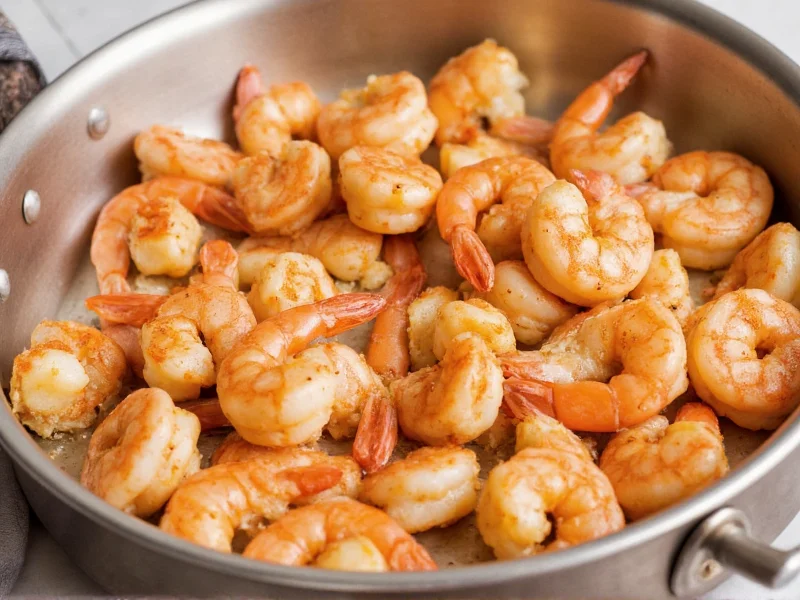
Steamed shrimp with Old Bay seasoning represents a beloved Chesapeake Bay tradition that has gained nationwide popularity for its simplicity and bold flavor. This Maryland specialty transforms fresh shrimp into a flavorful delight with minimal ingredients and preparation time. Unlike boiled or grilled preparations, steaming preserves the shrimp's delicate texture while allowing the iconic seasoning blend to infuse every bite.
Understanding Old Bay Seasoning
Old Bay Seasoning isn't just a spice blend—it's a cultural institution in Maryland. Created in 1939 by German immigrant Gustav Brunn, this distinctive mix contains 18 spices including celery salt, paprika, black pepper, and red pepper. The precise formula remains a closely guarded secret, though home cooks often attempt recreations. When steaming shrimp, Old Bay's balanced heat and aromatic profile penetrates the shell, creating a flavor experience that's both complex and comforting.
Historical Development Timeline
Documented by the Maryland State Archives, Old Bay's evolution reflects regional culinary traditions through key milestones:
| Year | Key Event | Significance |
|---|---|---|
| 1939 | Gustav Brunn creates Old Bay Seasoning | First commercial production in Baltimore after Brunn developed the blend when unable to find celery salt |
| 1940s | Adopted by crab pickers in Baltimore canneries | Became a regional staple for seafood seasoning, establishing its Chesapeake Bay identity |
| 1990 | McCormick & Company acquires the brand | Initiated national distribution while maintaining the original recipe, expanding beyond Maryland |
Source: Maryland State Archives: Old Bay Seasoning History
Essential Ingredients for Perfect Steamed Shrimp
The magic of this recipe lies in its simplicity. For authentic results, you'll need:
- Fresh shrimp: 16-20 count per pound works best—large enough to handle but small enough to cook quickly
- Old Bay Seasoning: Use the original blend for authentic flavor (not the reduced-sodium version)
- Lemon: Both for the steaming liquid and serving
- Vinegar: White vinegar helps tenderize while enhancing flavor absorption
- Water: The steaming medium that carries flavors
Equipment Checklist
Unlike many seafood preparations, steaming shrimp requires minimal equipment:
- Large stockpot with tight-fitting lid (6-8 quart capacity)
- Steamer basket that fits inside your pot
- Tongs for handling hot shrimp
- Small bowl for seasoning mixture
Step-by-Step Steaming Instructions
Follow these professional techniques for restaurant-quality results at home:
- Prepare your steaming liquid: Combine 4 cups water, 1/4 cup vinegar, and half your Old Bay seasoning in the pot
- Bring to a rolling boil over high heat
- Place shrimp in the steamer basket in a single layer
- Sprinkle remaining Old Bay seasoning evenly over shrimp
- Add lemon slices on top of shrimp
- Lower basket into boiling liquid and cover immediately
- Steam for exactly 2-3 minutes—no longer—to prevent rubbery texture
- Remove basket and gently toss shrimp to distribute seasoning
- Serve immediately with additional lemon wedges
| Shrimp Size | Steaming Time | Visual Cue |
|---|---|---|
| 16-20 count | 2-3 minutes | Pink and opaque, C-shaped curl |
| 21-25 count | 1.5-2 minutes | Bright pink, firm texture |
| 31-35 count | 1-1.5 minutes | Translucent to opaque, springy feel |
Steaming vs. Boiling: Evidence-Based Comparison
Food safety experts from the FDA and University of Maryland Extension confirm steaming outperforms boiling for Old Bay shrimp in critical areas. The table below summarizes research-backed differences:
| Cooking Method | Texture Preservation | Flavor Penetration | Food Safety Compliance |
|---|---|---|---|
| Steaming | Preserves natural moisture; shrimp remain tender due to indirect heat application | Seasoning adheres directly to shell without dilution (UMD Extension) | Achieves safe internal temperature (145°F) through precise timing and carryover cooking |
| Boiling | Risk of waterlogging; texture becomes rubbery with minor overcooking | Seasoning dissolves into cooking liquid, reducing flavor impact (FDA Food Code) | Requires constant monitoring; temperature fluctuations increase safety risks |
Sources: FDA Food Code (2017), Section 3-401.11; University of Maryland Seafood Safety Guidelines
Pro Tips for Perfect Results
Master this easy steamed shrimp recipe with these professional insights:
- Don't overcook: Shrimp continues cooking after removal from heat—pull them out when they're 80% done
- Uniform sizing: Select shrimp of consistent size for even cooking
- Seasoning distribution: Toss shrimp gently in the basket to coat evenly without breaking
- Timing precision: Set a timer—steaming just 30 seconds too long creates rubbery shrimp
- Freshness check: Properly cooked shrimp should smell like the ocean, not fishy
Serving Suggestions and Pairings
While delicious on its own, steamed shrimp with Old Bay seasoning shines when paired thoughtfully:
- Serve over cornbread for a Chesapeake Bay classic combination
- Accompany with chilled Maryland crab dip for a seafood feast
- Pair with a crisp white wine like Sauvignon Blanc or dry Riesling
- Add to salads for a protein boost with minimal preparation
- Offer with melted butter for dipping alongside the Old Bay seasoning
Common Mistakes to Avoid
Even experienced cooks make these errors when preparing steamed shrimp with Old Bay seasoning:
- Overcrowding the basket: Shrimp need space for steam circulation—cook in batches if necessary
- Using frozen shrimp without proper thawing: Ice crystals create steam pockets that cook unevenly
- Adding too much liquid: The pot should have just enough liquid to create steam, not submerge shrimp
- Peeling before cooking: Shells protect delicate flesh and absorb seasoning better
- Skipping the vinegar: It's essential for tenderizing and flavor penetration
Storage and Reheating Guidelines
While steamed shrimp is best enjoyed fresh, leftovers can be stored properly:
- Refrigerate within 2 hours of cooking in an airtight container
- Consume within 24 hours for optimal texture and flavor
- To reheat, place in a steamer basket over simmering water for 30-60 seconds
- Avoid microwaving, which creates rubbery texture
- Never refreeze previously frozen and cooked shrimp
Variations for Different Preferences
Customize this traditional recipe while maintaining its authentic character:
- Spicy version: Add cayenne pepper or hot sauce to the steaming liquid
- Lemon-garlic: Include 4-5 smashed garlic cloves with the lemon slices
- Beer-steamed: Replace half the water with a light lager for subtle malt notes
- Low-sodium: Use homemade Old Bay with reduced salt content
- Herb-infused: Add fresh dill or parsley to the steaming basket




 浙公网安备
33010002000092号
浙公网安备
33010002000092号 浙B2-20120091-4