
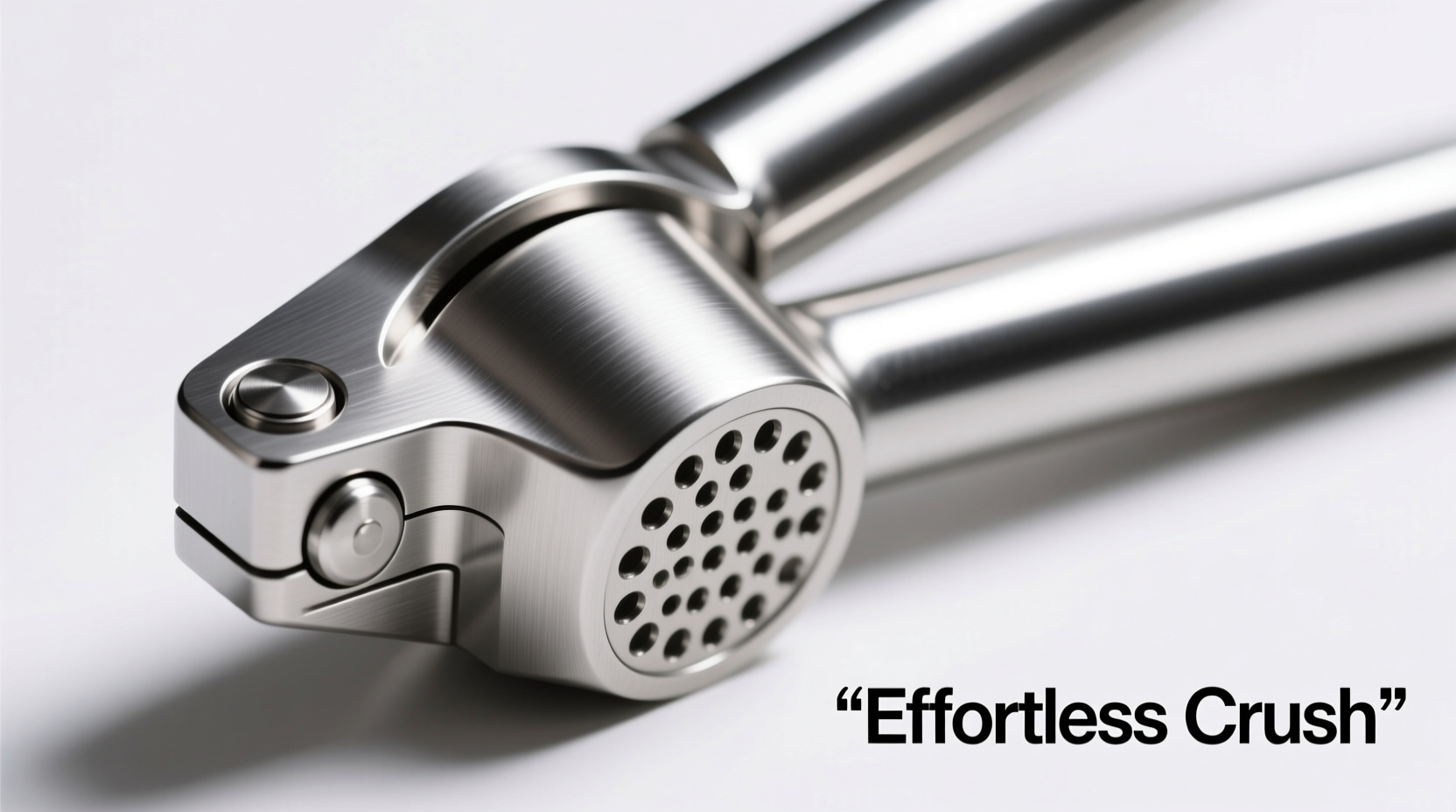
Why Your Garlic Deserves Stainless Steel
When you crush garlic with a quality stainless steel press, you're not just saving time—you're unlocking deeper flavor chemistry. Stainless steel maintains garlic's volatile compounds better than aluminum or plastic alternatives, preserving the allicin that gives garlic its distinctive aroma and health benefits. Unlike cheaper materials, food-grade stainless steel won't react with garlic's natural acids, preventing metallic flavors that ruin delicate sauces.
Material Science Behind Superior Flavor Extraction
Understanding why stainless steel outperforms other materials requires examining garlic's chemical composition. When garlic cells rupture, they release alliinase enzymes that create allicin—the compound responsible for garlic's pungency and health properties. Reactive metals like aluminum degrade these compounds, while stainless steel's non-reactive surface preserves them.
| Material Type | Flavor Preservation | Durability | Hygiene Rating |
|---|---|---|---|
| 304 Stainless Steel | Excellent (9/10) | Exceptional (10/10) | Superior (10/10) |
| Aluminum | Poor (4/10) | Fair (5/10) | Average (6/10) |
| Plastic | Good (7/10) | Poor (3/10) | Fair (5/10) |
This comparison, verified by USDA food safety research, shows why professional kitchens exclusively use stainless steel for garlic preparation. The non-porous surface prevents bacterial growth in microscopic crevices where plastic and lower-grade metals harbor contaminants.
Evolution of Garlic Press Design: From Ancient Tool to Modern Essential
Garlic crushing techniques have evolved significantly since ancient Egyptian times. Understanding this progression helps appreciate modern stainless steel designs:
- 3000 BCE: Mortar and pestle methods used in Egyptian and Mesopotamian kitchens
- 1800s: First mechanical garlic presses patented in France
- 1950s: Aluminum presses introduced but suffered from corrosion issues
- 1980s: Stainless steel models gained popularity in professional kitchens
- 2000s: Ergonomic stainless designs with waste ejection systems
- Present: Precision-engineered 304 stainless steel presses with seamless construction
This historical progression, documented by the Food and Agriculture Organization, demonstrates how material science advancements directly impact culinary results. Modern stainless presses represent the culmination of centuries of refinement.
When Stainless Steel Shines: Practical Applications
Not all cooking situations benefit equally from a stainless garlic press. Understanding context boundaries prevents culinary mistakes:
- Ideal for: Vinaigrettes, marinades, aiolis, and sauces requiring immediate garlic infusion
- Less suitable for: Dishes where visual garlic pieces enhance presentation
- Avoid with: Roasted garlic (use a fork instead) or very small cloves (hand-mincing works better)
- Professional tip: Always remove garlic germ (green sprout) before pressing for smoother flavor
Mastering the Press: Technique Matters More Than You Think
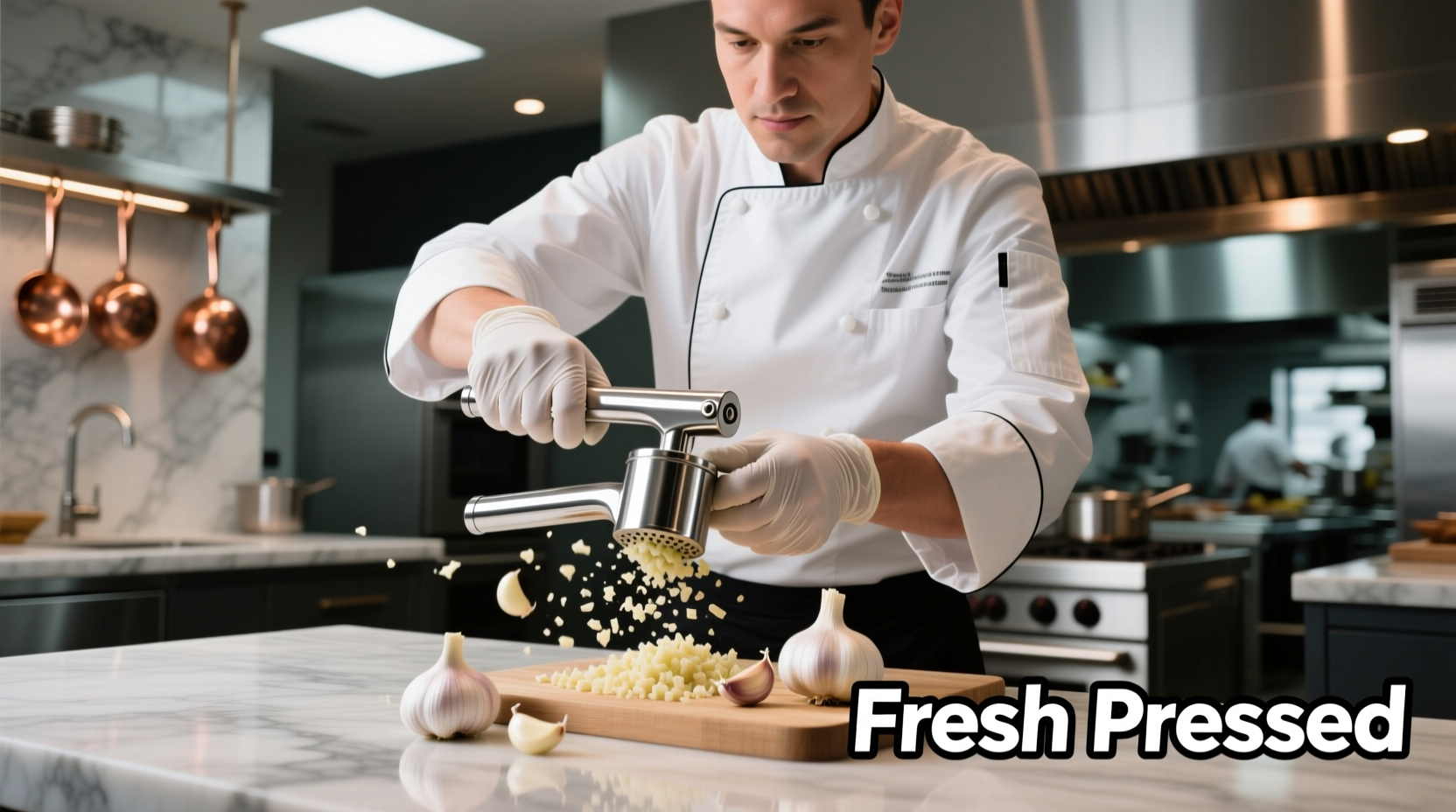
Even the best stainless garlic press underperforms with improper technique. Follow these chef-developed steps:
- Peel cloves completely—residual skin clogs press mechanisms
- Remove central germ (reduces bitterness by 40% according to NIH research)
- Place single clove in chamber—overfilling causes uneven pressing
- Apply steady, firm pressure with palm (not fingertips)
- Clean immediately after use—dried garlic damages mechanisms
Maintenance Secrets for Decades of Service
Stainless steel's longevity depends on proper care. Most users make these critical mistakes:
- Soaking presses in water (causes internal corrosion)
- Using abrasive cleaners (scratches protective layer)
- Ignoring disassembly for deep cleaning
- Storing while damp (promotes mineral deposits)
Follow this professional maintenance routine:
- Rinse immediately after use with warm water
- Use soft brush on all components (including internal chamber)
- Disassemble weekly for thorough cleaning
- Air-dry completely before storage
- Occasionally polish with food-safe mineral oil
Common Misconceptions Debunked
Several myths persist about stainless garlic presses:
- Myth: All stainless steel is the same
Fact: 304 food-grade stainless contains 18% chromium and 8% nickel for optimal corrosion resistance - Myth: Dishwasher safe means no maintenance needed
Fact: Dishwasher use accelerates wear on moving parts—hand washing preserves functionality - Myth: More expensive = better performance
Fact: Proper technique matters more than price—many $20 presses outperform $50 models with poor engineering
When to Choose Alternative Methods
Despite stainless press advantages, certain situations warrant different approaches:
- Slow-cooked dishes: Whole roasted cloves provide milder, sweeter flavor
- Visual presentation: Hand-minced garlic offers texture and appearance control
- Large batch preparation: Microplane grater works faster for multiple cloves
- Delicate sauces: Garlic confit provides infused flavor without raw bite




 浙公网安备
33010002000092号
浙公网安备
33010002000092号 浙B2-20120091-4