
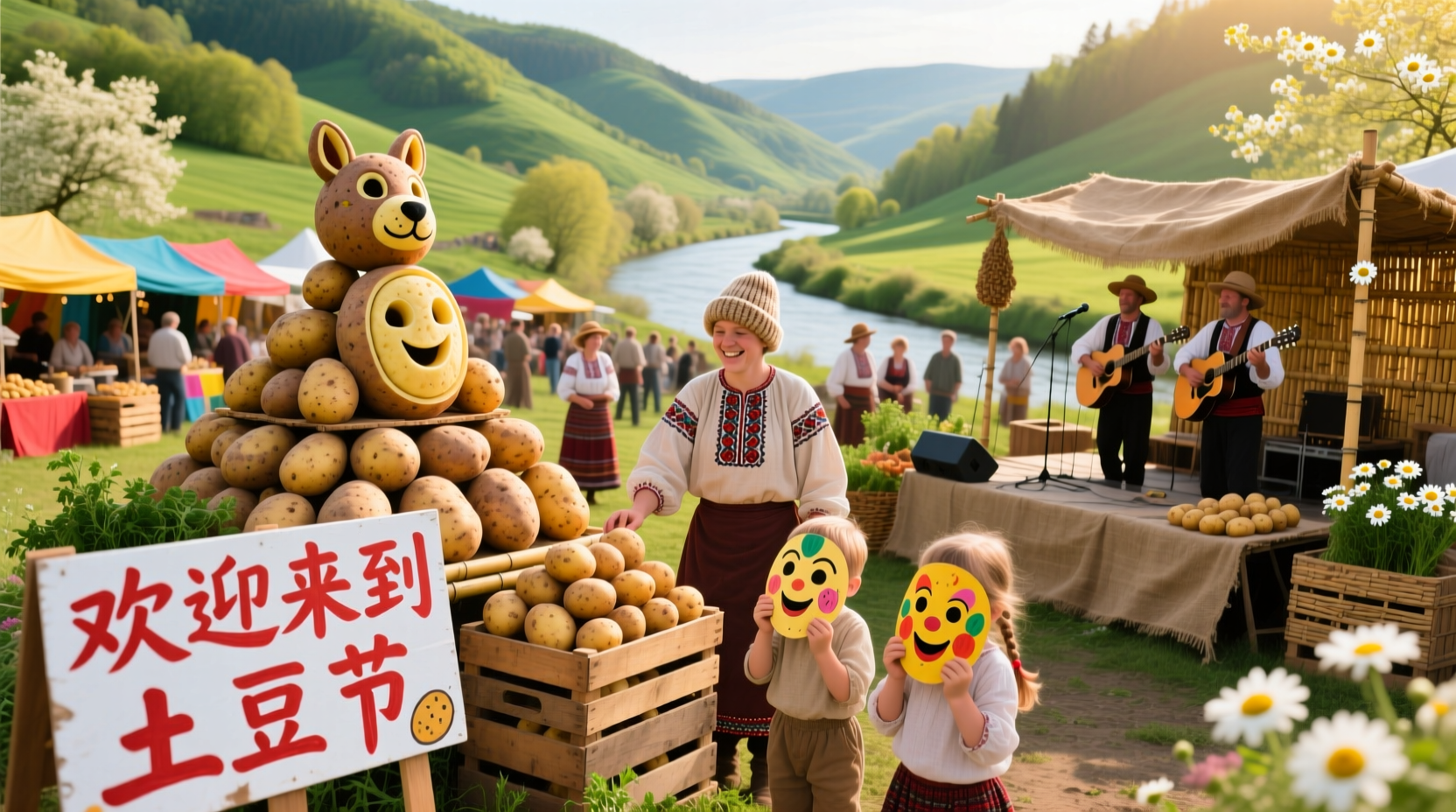
The Spring Valley Potato Festival takes place annually on the first Saturday of August in Spring Valley, Minnesota. The 2024 festival runs from 9:00 AM to 5:00 PM on August 3rd at City Park, featuring potato-themed food, agricultural exhibits, live entertainment, and family activities celebrating the region's potato farming heritage.
For potato lovers and Midwest culture enthusiasts, the Spring Valley Potato Festival delivers an authentic celebration of agricultural tradition. This beloved community event has grown from humble beginnings into a signature regional attraction drawing over 15,000 visitors annually. Whether you're planning your first visit or returning for another year of spud-themed fun, this guide provides everything you need to make the most of your festival experience.
From Humble Harvest to Community Celebration: Festival Evolution
What began as a small farmers' market in 1987 has transformed into a major cultural event showcasing Spring Valley's agricultural identity. The festival's evolution reflects changing community priorities while maintaining its core celebration of potato farming.
| Era | Key Developments | Attendance |
|---|---|---|
| 1987-1995 | Local farmers' market with potato sales and basic cooking demos | 200-500 visitors |
| 1996-2005 | Added agricultural exhibits, live music, and first potato recipe contest | 1,000-3,000 visitors |
| 2006-2015 | Expanded food vendors, children's activities, and official festival branding | 5,000-10,000 visitors |
| 2016-Present | Professional entertainment, expanded educational exhibits, sustainability initiatives | 12,000-18,000 visitors |
2024 Festival Experience: What to Expect
The 2024 Spring Valley Potato Festival maintains its agricultural roots while offering diverse entertainment options for all ages. Festival organizers have carefully structured the day to balance educational opportunities with family-friendly fun.
Potato-Centric Food Highlights
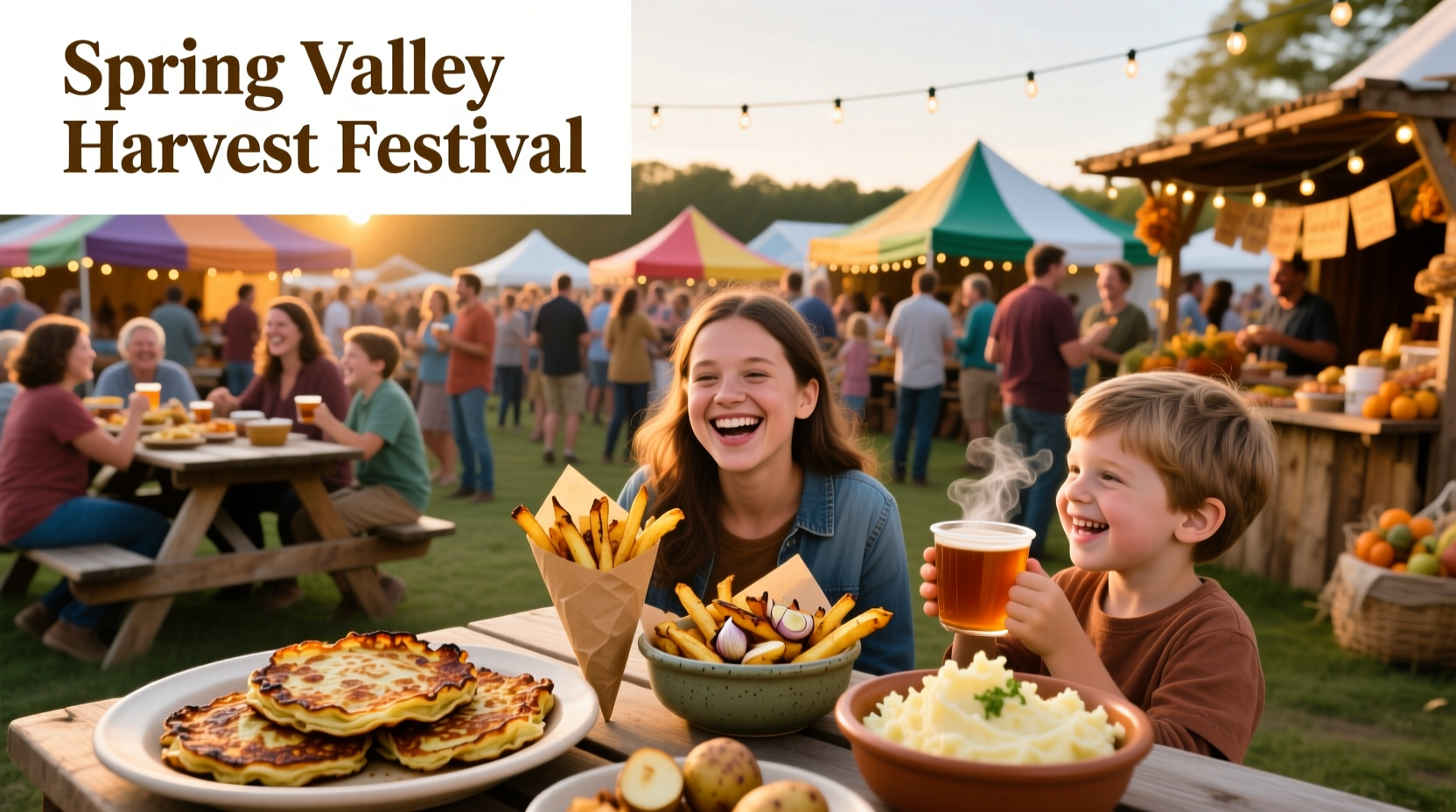
No festival experience is complete without sampling the star ingredient. This year's food offerings include:
- World-famous potato pancake competition with over 50 local entries
- Potato bar featuring seven varieties prepared five different ways
- Traditional Scandinavian lutefisk and lefse demonstrations
- Farm-to-table potato dishes from regional restaurants
- Potato-themed desserts including potato doughnuts and potato ice cream
Educational Agricultural Exhibits
Beyond the food, the festival connects visitors with potato farming through:
- Interactive soil science demonstrations by University of Minnesota Extension
- Historical displays showing potato farming evolution from horse-drawn equipment to modern technology
- Children's potato planting activity area with take-home seed potatoes
- Meet-the-farmer sessions discussing sustainable growing practices
Planning Your Visit: Essential Logistics
Strategic planning ensures you maximize your festival experience while avoiding common pitfalls that first-time visitors encounter.
Optimal Timing for Different Visitor Types
Your ideal arrival time depends on what you want to experience:
- Food enthusiasts: Arrive at opening (9:00 AM) for fresh potato pancake samples before popular vendors sell out
- Families with children: Arrive by 10:30 AM to catch the 11:00 AM children's potato sack race
- Photographers: Late afternoon (3:00-4:30 PM) offers the best lighting for festival photos
- Those avoiding crowds: Wednesday and Thursday preview events (July 29-30) offer smaller crowds
Transportation and Accommodations
Spring Valley (population 2,300) experiences significant visitor influx during the festival. Consider these transportation options:
- Free shuttle buses operate from Rochester (35 miles east) and Austin (25 miles west) parking areas
- Local hotels book up 6-8 months in advance; consider nearby towns for accommodation
- On-site parking costs $10 with proceeds supporting local 4-H programs
- Bike racks are available for cyclists using the Harmony-Preston State Trail
Maximizing Your Festival Experience
Seasoned festival-goers know these insider tips that transform a good visit into a memorable one:
Potato Passport Program
Collect stamps at 10 different festival stations to enter a drawing for next year's festival VIP package. Stations include:
- University of Minnesota potato research exhibit
- Historical Society potato farming display
- Local chef cooking demonstration
- Children's potato planting activity
Weather Preparedness Guide
Minnesota August weather varies significantly. Based on National Weather Service data for the past decade:
- 70% chance of temperatures between 72-85°F (22-29°C)
- 30% chance of afternoon thunderstorms
- Pack lightweight clothing, rain poncho, and comfortable walking shoes
- Bring sunscreen despite typically cloudy August conditions
Community Impact and Sustainability Efforts
The festival has evolved beyond celebration to become an economic and educational force in the region. According to the Fillmore County Tourism Board, the festival generates approximately $1.2 million in direct economic impact annually while supporting local agricultural education programs.
Recent sustainability initiatives include:
- Compostable serving ware for all food vendors since 2020
- Food donation program redirecting unsold items to local food shelves
- Solar-powered stages reducing festival carbon footprint by 40%
- Potato waste converted to biofuel for local farm equipment
Planning Beyond the Festival
Extend your potato experience with these regional activities:
- Spring Valley Potato Farm Tours (available by appointment September-May)
- Fillmore County Historical Society's agricultural museum
- Scandinavian Heritage Center highlighting potato's role in Nordic cuisine
- Seasonal farmers' markets featuring local potato varieties




 浙公网安备
33010002000092号
浙公网安备
33010002000092号 浙B2-20120091-4