
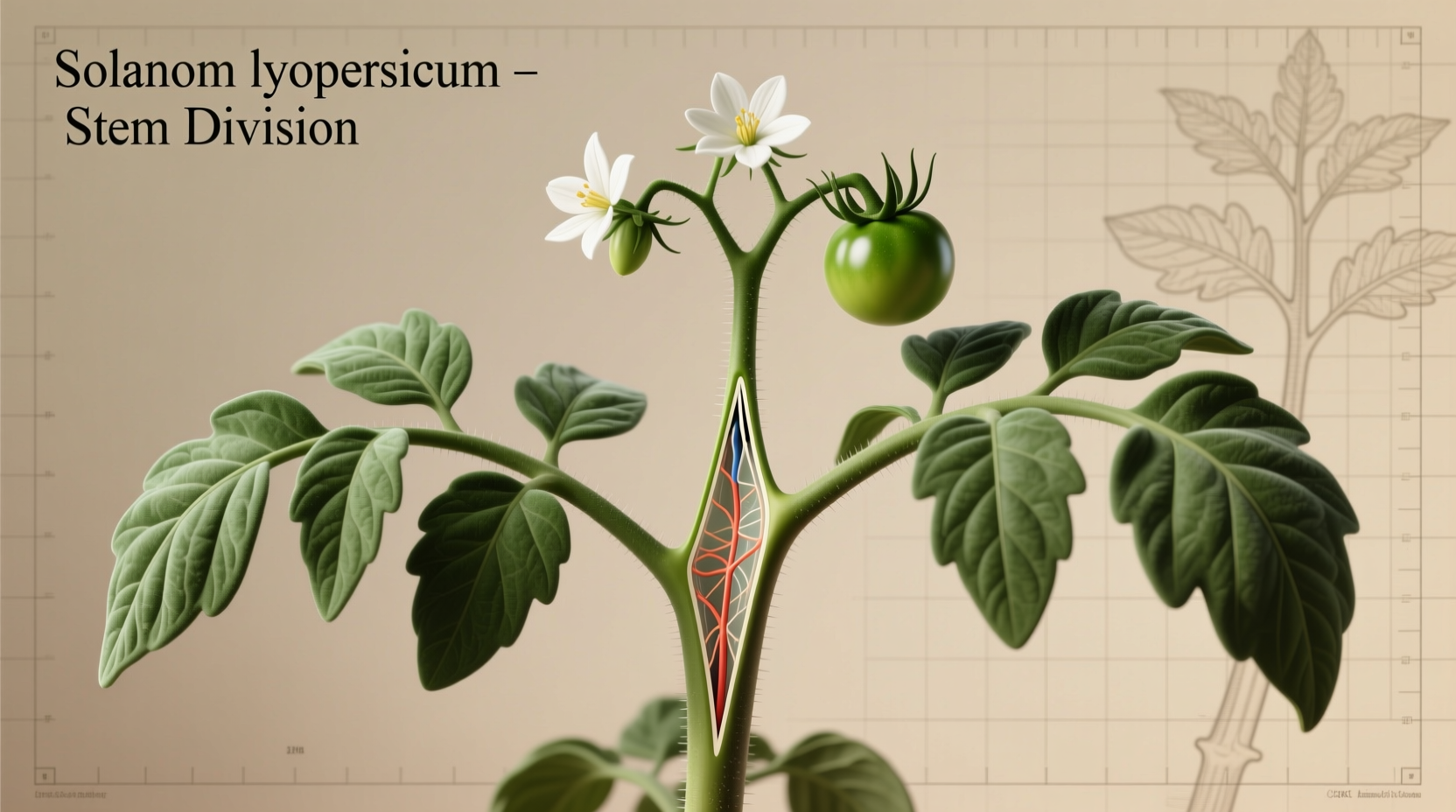
Understanding Tomato Fruit Splitting: Causes and Immediate Solutions
Nothing ruins a gardener's harvest hopes faster than discovering cracked, split tomatoes on the vine. This frustrating phenomenon affects home growers worldwide, particularly during summer's unpredictable weather patterns. Understanding why tomato splitting happens and implementing science-backed prevention strategies can save your harvest and improve fruit quality.
What Exactly Is Tomato Splitting?
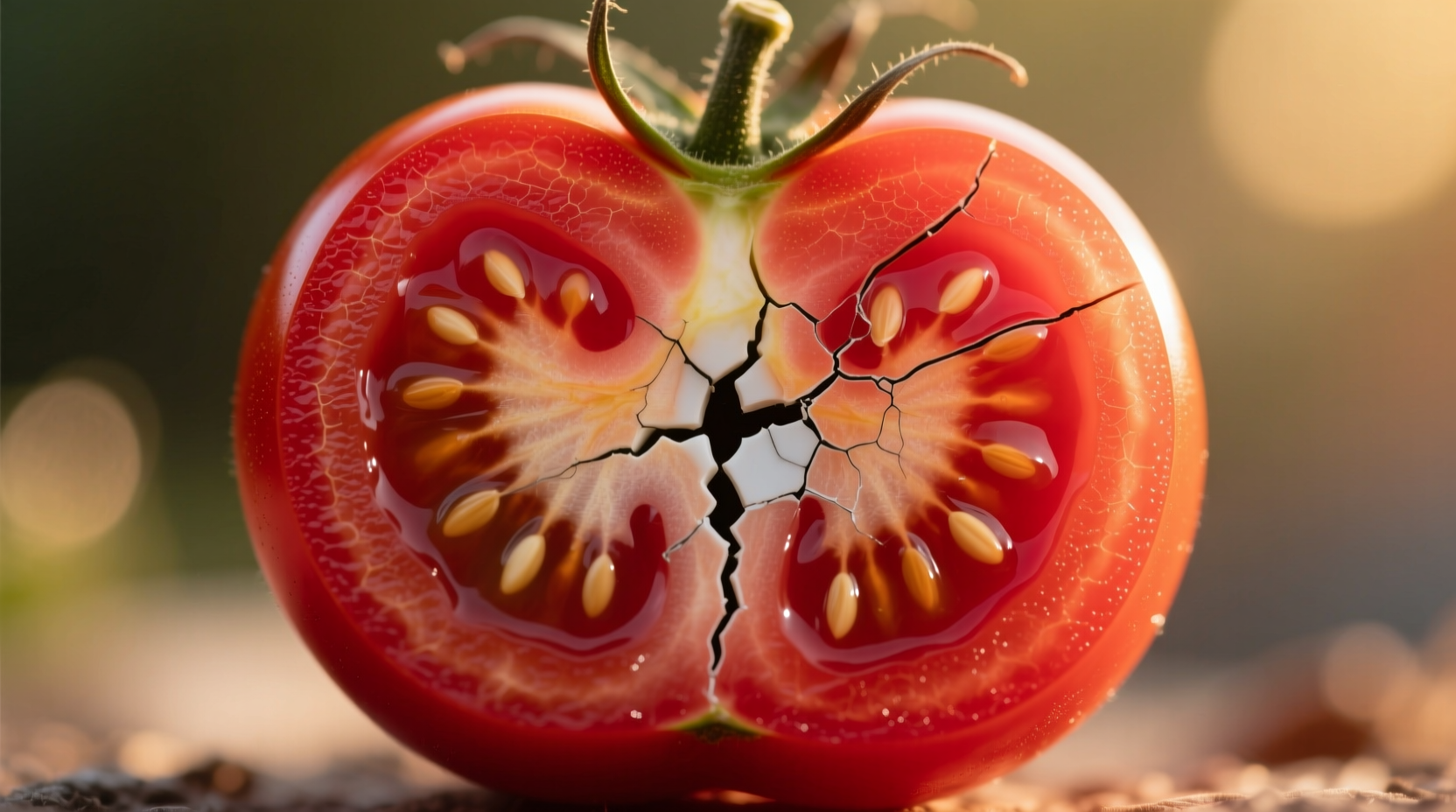
Tomato splitting (also called cracking) appears as either:
- Radial cracks - Deep fissures extending from the stem downward
- Concentric cracks - Circular patterns around the fruit's shoulders
Unlike blossom end rot or pest damage, splitting occurs when mature fruit rapidly absorbs water after a dry period, causing internal pressure that exceeds the skin's elasticity. The USDA Agricultural Research Service confirms this physiological disorder affects approximately 40% of homegrown tomatoes during seasons with erratic rainfall patterns.
Why Your Tomatoes Are Splitting: The Science Behind the Problem
| Cause Type | How It Happens | Prevalence in Home Gardens |
|---|---|---|
| Water Fluctuation | Drought followed by heavy rain or overwatering | 75% of cases |
| Variety Susceptibility | Thin-skinned varieties like Beefsteak | 15% of cases |
| Nutrient Deficiency | Calcium imbalance affecting cell walls | 10% of cases |
The Water Connection: Why Inconsistent Moisture Matters Most
Research from Cornell University's School of Integrative Plant Science demonstrates that tomato fruit splitting directly correlates with soil moisture fluctuations. When plants experience drought stress followed by sudden water availability:
- Fruit cells rapidly absorb water through osmosis
- Internal pressure exceeds skin elasticity limits
- Skin ruptures at weakest points (usually near stem)
This explains why splitting often occurs after summer thunderstorms following dry periods. The University of California's Agriculture and Natural Resources department confirms that maintaining consistent soil moisture within 60-80% field capacity prevents 90% of splitting incidents.
7 Proven Strategies to Prevent Tomato Splitting
1. Implement Consistent Watering Practices
Establish a regular watering schedule rather than watering only when plants appear stressed. The Royal Horticultural Society recommends:
- Deep watering 1-2 times weekly rather than frequent shallow watering
- Morning watering to reduce evaporation
- Using drip irrigation for consistent moisture delivery
2. Apply Proper Mulching Techniques
Organic mulch maintains stable soil moisture and temperature. Research from Michigan State University Extension shows that 2-3 inches of straw or wood chip mulch reduces moisture fluctuations by 40-60%. Apply mulch after soil has warmed in late spring.
3. Select Resistant Varieties
Some tomato varieties naturally resist splitting due to thicker skins and flexible cell structures. According to the Tomato Genetics Resource Center at UC Davis, these varieties show excellent resistance:
- Roma (plum tomatoes)
- Mountain Spring
- Iron Lady
- Defiant PHR
4. Maintain Balanced Nutrition
While calcium deficiency doesn't directly cause splitting, proper calcium levels strengthen cell walls. The University of Florida's Institute of Food and Agricultural Sciences recommends:
- Soil testing before planting
- Maintaining soil pH between 6.2-6.8 for optimal nutrient uptake
- Avoiding excessive nitrogen that promotes rapid growth
5. Harvest Strategically During Weather Changes
Pick nearly ripe tomatoes (with slight color change) before forecasted heavy rain. These will continue ripening indoors without splitting risk. The National Gardening Association reports this simple practice reduces splitting by up to 70% during rainy seasons.
6. Improve Soil Structure
Well-structured soil retains moisture more consistently. Incorporate 2-3 inches of compost annually to improve water retention. Research published in the HortScience journal shows compost-amended soils maintain moisture levels 25% more consistently than unamended soils.
7. Use Protective Coverings During Heavy Rain
Temporary rain shelters or row covers during forecasted downpours can prevent sudden moisture influx. The University of Maryland Extension confirms that even partial protection reduces splitting incidents by 50-60% during extreme weather events.
What to Do When Splitting Occurs
If you notice split tomatoes:
- Harvest immediately to prevent disease entry
- Use split tomatoes first in cooking (they won't store well)
- Remove severely split fruits to redirect plant energy
- Apply copper fungicide to prevent disease in minor splits
According to the American Phytopathological Society, split tomatoes become vulnerable to fungal infections like Alternaria within 24-48 hours, making prompt harvesting essential.
Long-Term Prevention Planning
Track weather patterns and your garden's response in a gardening journal. The USDA's Plant Hardiness Zone Map helps predict seasonal moisture patterns in your region. Consider installing a simple rain gauge and soil moisture meter to make data-driven watering decisions next season.




 浙公网安备
33010002000092号
浙公网安备
33010002000092号 浙B2-20120091-4