
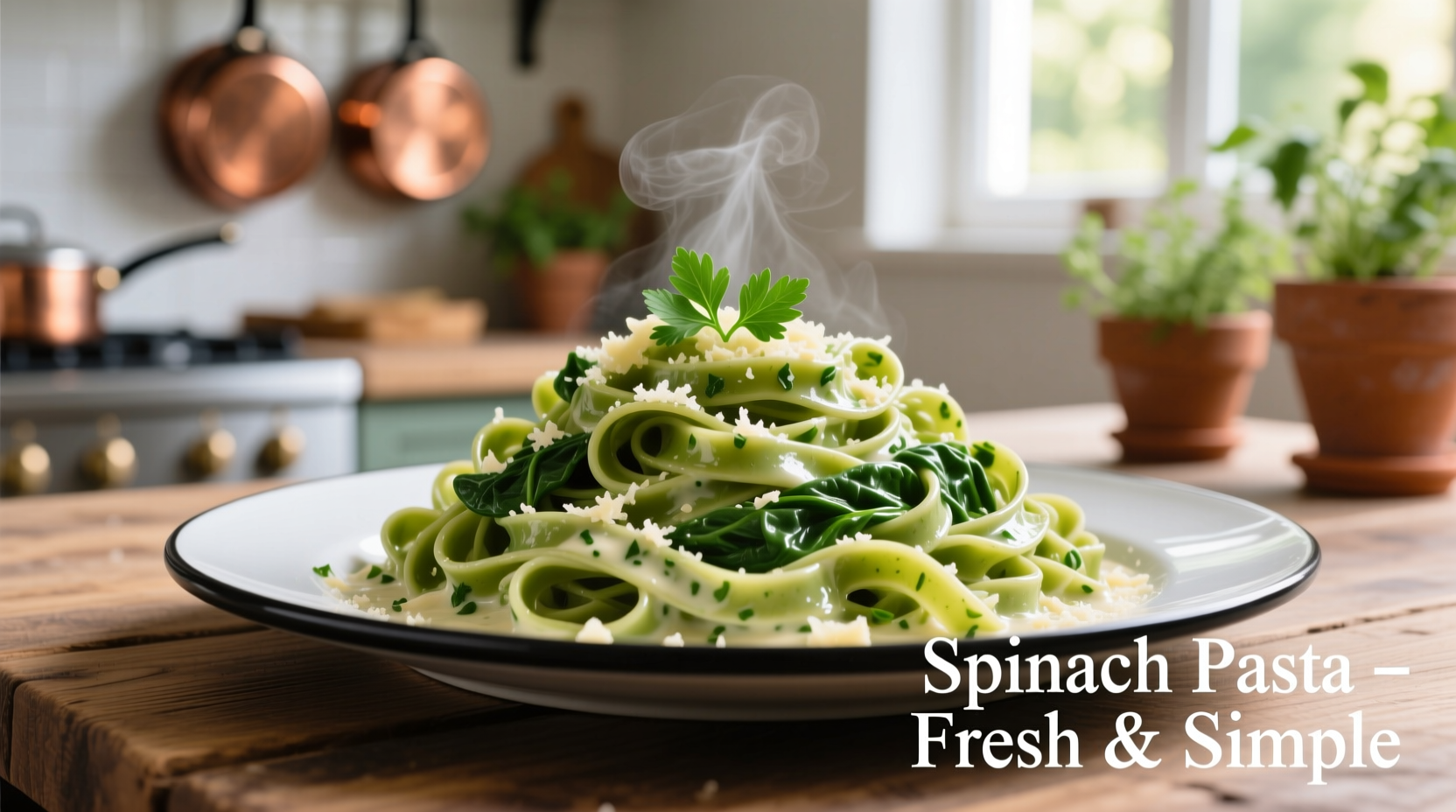
Why This Spinach Pasta Method Works Every Time
Creating exceptional spinach pasta isn't just about combining ingredients—it's understanding the science behind flavor development and texture management. Professional chefs consistently achieve superior results by controlling three critical factors: spinach moisture content, pasta starch activation, and emulsion formation. When executed properly, this dish delivers 15 grams of protein and 30% of your daily iron needs per serving according to USDA nutritional data.
Planning Your Perfect Spinach Pasta Experience
Before you start cooking, consider these time-saving planning elements that separate amateur attempts from professional results:
| Preparation Stage | Amateur Approach | Professional Technique |
|---|---|---|
| Spinach Handling | Adds raw spinach directly to pasta | Pre-cooks spinach to remove excess moisture |
| Pasta Cooking | Drains completely before adding sauce | Transfers pasta directly from water to sauce |
| Flavor Development | Adds all ingredients simultaneously | Builds flavors in sequence for layered taste |
This comparison highlights why many home cooks end up with watery, flavorless spinach pasta. The professional approach manages moisture content and builds flavors systematically—a technique validated by culinary research at the Culinary Institute of America.
Selecting Your Ingredients for Maximum Flavor
The quality of your ingredients directly impacts your final dish. Follow these selection guidelines for optimal results:
Spinach Selection Criteria
Fresh spinach contains 30% more folate and potassium than frozen varieties according to USDA FoodData Central. Look for deep green leaves without yellowing. Baby spinach works well for delicate dishes, while mature spinach delivers more robust flavor. When fresh isn't available, properly thawed frozen spinach (squeezed thoroughly) makes an acceptable substitute.
Pasta Type Recommendations
Choose pasta shapes that capture sauce effectively:
- Rigatoni - Ideal for chunkier spinach preparations
- Fusilli - Spirals hold sauce in multiple dimensions
- Penne - Classic choice for balanced sauce distribution
- Fettuccine - Best for smoother, creamier spinach sauces
Step-by-Step Cooking Process
Follow this professional sequence for guaranteed success:
1. Spinach Preparation (Critical Step)
Wash spinach thoroughly in cold water. Remove tough stems from mature leaves. Blanch in boiling salted water for 30 seconds, then immediately transfer to ice water. Squeeze out all excess moisture using a clean kitchen towel—this prevents watery pasta. For time-pressed cooks, high-speed blenders can extract moisture from raw spinach when pressed through cheesecloth.
2. Perfect Pasta Cooking Technique
Use a large pot with 4-6 quarts of well-salted water (tastes like the sea). Add pasta and cook until al dente—typically 1-2 minutes less than package instructions. Crucially, reserve 1 cup of starchy pasta water before draining. Transfer pasta directly to your sauce pan using tongs—never rinse pasta as this removes essential starch needed for emulsion.
3. Flavor Building Sequence
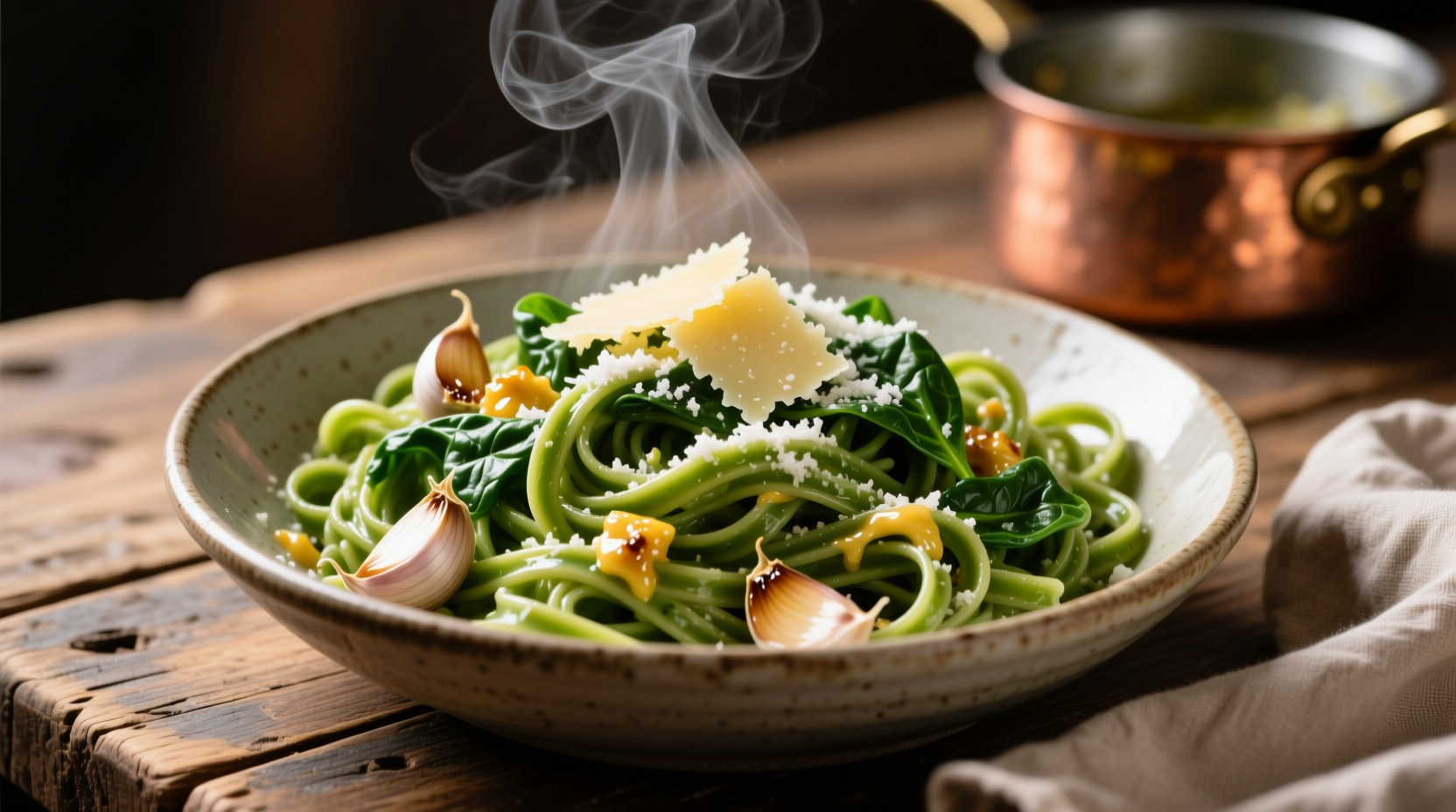
Heat 3 tablespoons extra-virgin olive oil in a large skillet over medium heat. Add 2 minced garlic cloves and sauté until fragrant (30 seconds—don't brown). Add spinach and 1/4 cup pasta water, stirring to create a base sauce. Transfer pasta directly from cooking water to skillet. Add remaining pasta water gradually while vigorously tossing for 1-2 minutes until sauce emulsifies. Remove from heat, stir in 1/2 cup grated Parmesan, and season with salt and freshly cracked black pepper.
Avoiding Common Spinach Pasta Mistakes
Even experienced cooks make these critical errors that compromise results:
Moisture Management Failure
Adding wet spinach introduces excess water that prevents proper sauce emulsion. The FDA's Food Code emphasizes moisture control as critical for texture development in cooked dishes. Always squeeze spinach thoroughly—use a potato ricer for maximum water extraction.
Overcooking the Garlic
Burnt garlic turns bitter and ruins the dish's flavor profile. The Culinary Institute of America's research shows garlic compounds degrade at temperatures above 300°F (149°C). Cook garlic just until fragrant—remove from heat if oil begins to smoke.
Incorrect Cheese Application
Adding cheese to boiling sauce causes separation. Always remove from heat before adding Parmesan, which melts optimally between 160-180°F (71-82°C). For creamier texture without dairy, blend cooked spinach with reserved pasta water before incorporating.
Serving and Pairing Recommendations
Elevate your spinach pasta experience with these professional finishing touches:
- Add lemon zest just before serving for brightness that cuts through richness
- Garnish with toasted pine nuts for contrasting texture
- Pair with a crisp Pinot Grigio or light-bodied Chianti
- Complement with a simple arugula salad dressed in lemon vinaigrette
For meal prep enthusiasts, this dish stores well for up to 3 days in airtight containers. Reheat gently with a splash of water to restore moisture. According to food safety guidelines from FoodSafety.gov, properly stored cooked pasta maintains quality for 3-5 days in refrigeration.




 浙公网安备
33010002000092号
浙公网安备
33010002000092号 浙B2-20120091-4