
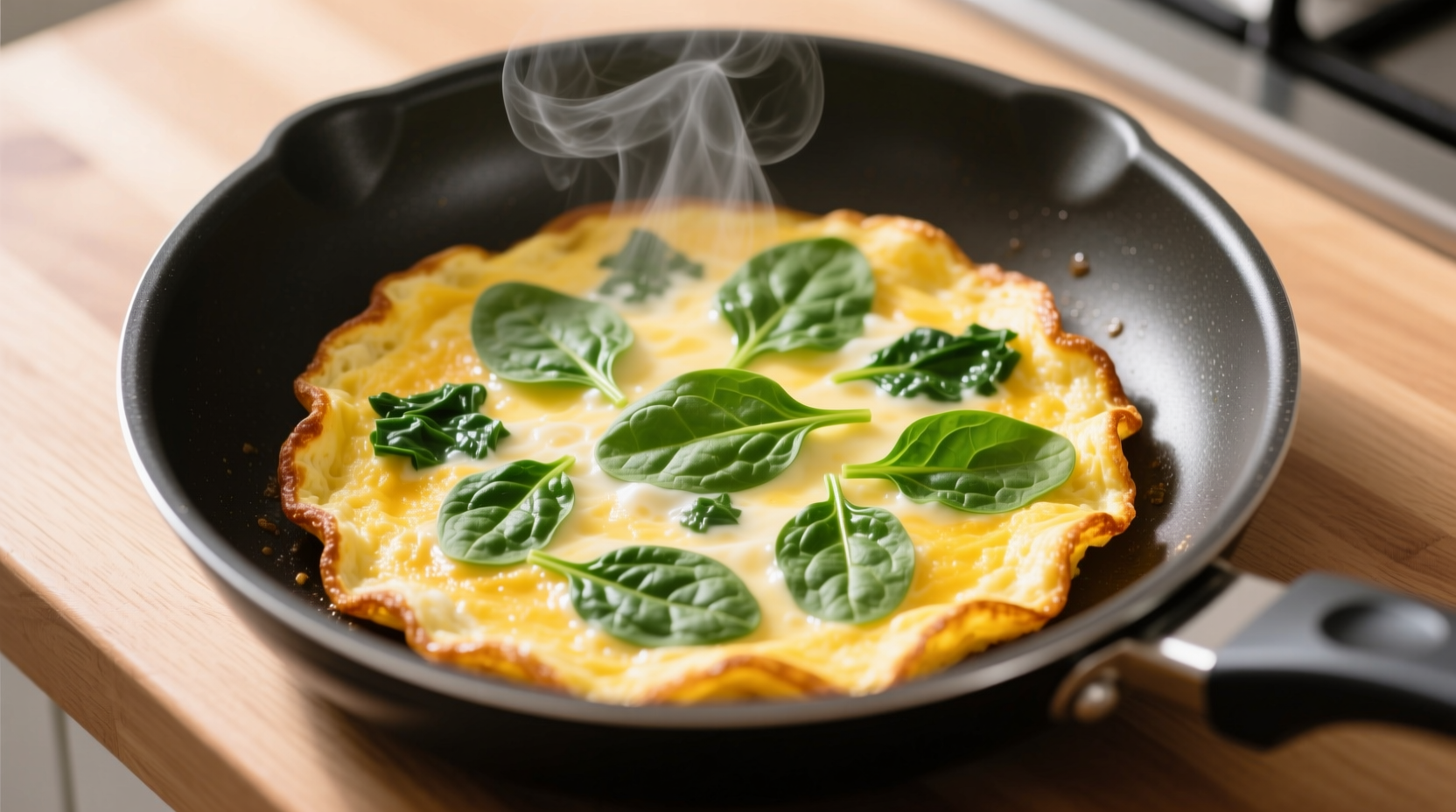
Creating an exceptional spinach omelette isn't just about mixing ingredients—it's understanding the science behind egg proteins and moisture management. As a chef who's perfected this dish in both high-pressure restaurant kitchens and home settings, I've discovered that the difference between a watery disappointment and a cloud-like masterpiece comes down to three critical factors: spinach preparation, egg mixture composition, and heat control.
Planning Your Perfect Spinach Omelette
Before you crack your first egg, proper planning sets the foundation for success. The quality of your ingredients directly impacts the final result, especially since omelettes contain few components where each element shines.
Essential Ingredients Checklist
- Fresh eggs (preferably pasture-raised for richer color and flavor)
- Fresh spinach (1 cup per omelette, stems removed)
- Unsalted butter (1 tablespoon per omelette)
- Fine sea salt (¼ teaspoon per 2 eggs)
- Freshly ground black pepper
- Optional enhancements: feta cheese, caramelized onions, mushrooms
According to the American Egg Board's culinary guidelines, using eggs at room temperature improves volume and texture by allowing better incorporation of air during whisking. Cold eggs from the refrigerator create uneven cooking and increase the risk of rubbery texture.
Spinach Preparation: The Critical First Step
The #1 reason home cooks fail at spinach omelettes? Waterlogged results. Proper spinach preparation separates amateur attempts from professional-quality dishes.
Dry vs. Wet Spinach: A Game-Changing Difference
| Preparation Method | Moisture Content | Texture Result | Flavor Impact |
|---|---|---|---|
| Raw spinach added directly | Excess water released during cooking | Soggy, uneven texture | Diluted egg flavor |
| Blanched & thoroughly squeezed | Nearly dry (1-2% moisture) | Firm, integrated texture | Concentrated spinach flavor |
| Sautéed with aromatics | Controlled moisture (5-7%) | Complex layered texture | Enhanced savory depth |
For optimal results, blanch fresh spinach in boiling water for 30 seconds, then immediately plunge into ice water. Squeeze out every drop of moisture using a clean kitchen towel—this step cannot be skipped. Frozen spinach works in a pinch but requires even more rigorous moisture removal. The USDA Food Safety and Inspection Service confirms that proper vegetable preparation prevents cross-contamination and ensures food safety.
The Professional Cooking Technique
Mastering the cooking process transforms basic ingredients into a culinary delight. Follow these precise steps for consistent results:
- Whisk eggs properly: Combine 2-3 eggs with 1 teaspoon water (not milk) and seasonings. Whisk vigorously until frothy but not foamy—about 45 seconds. Water creates steam for lift without diluting flavor.
- Control your heat: Medium-low heat (around 300°F) is essential. Too hot creates brown spots; too low makes rubbery texture.
- Add butter at the right moment: Wait until the pan is hot but not smoking. Butter should foam but not brown immediately.
- Pour and swirl: Add eggs, then immediately swirl to create an even layer. Let set for 20 seconds.
- Stir gently: Using a silicone spatula, push cooked edges toward center while tilting pan to let liquid fill gaps. Repeat 2-3 times over 60 seconds.
- Add spinach at the perfect moment: When eggs are 70% set (still slightly wet on top), spread spinach evenly over one half.
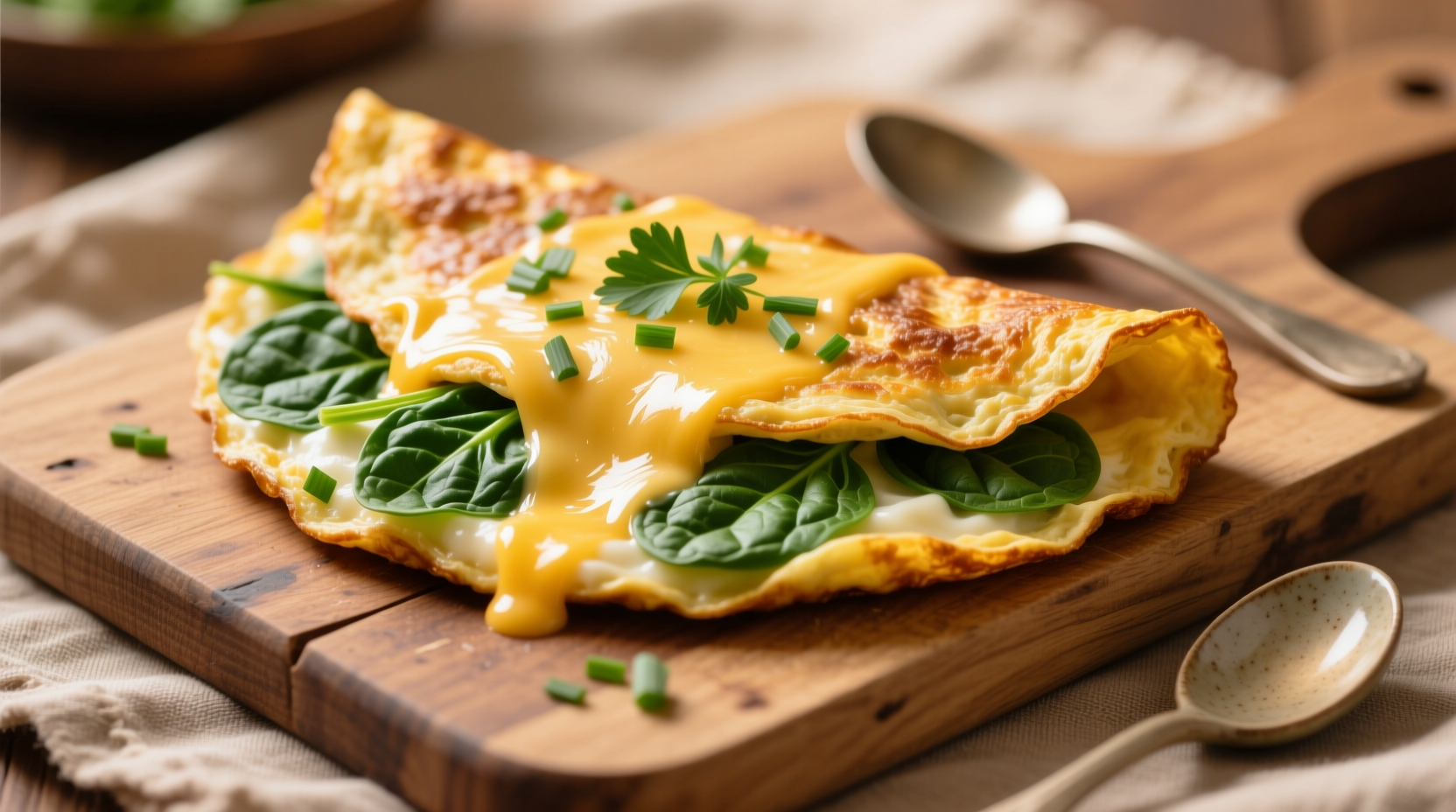
- Fold and finish: Tilt pan 45 degrees, fold omelette in half, and let cook 15 seconds more for ideal doneness.
Avoiding Common Pitfalls
Even experienced cooks make these critical mistakes that compromise texture and flavor:
- Overfilling: More than ½ cup filling creates structural failure. Keep fillings minimal for proper folding.
- Wrong pan size: An 8-inch nonstick or carbon steel pan provides ideal surface-to-egg ratio.
- Overcooking: Remove from heat when center is slightly moist—it will finish cooking from residual heat.
- Incorrect folding technique: Use a flicking wrist motion rather than stabbing with utensils.
Nutritional Powerhouse: Why Spinach Belongs in Your Omelette
A spinach omelette delivers exceptional nutritional value when prepared correctly. According to USDA FoodData Central, one serving (2 eggs + 1 cup spinach) provides:
- 22g high-quality complete protein
- 100% of daily vitamin K needs
- Significant amounts of vitamins A, B12, and folate
- Iron and calcium absorption enhanced by egg fats
The Academy of Nutrition and Dietetics confirms that combining plant-based nutrients with healthy fats (like those in eggs) significantly increases absorption of fat-soluble vitamins. This makes the spinach omelette a nutritionally superior choice compared to spinach salads alone.
Three Restaurant-Worthy Variations
Once you've mastered the classic version, experiment with these professional adaptations:
Mediterranean Spinach Omelette
Add crumbled feta, sun-dried tomatoes, and oregano during the folding stage. Serve with tzatziki sauce for a protein-packed brunch option that provides 28g of protein per serving.
French-Style Herb Omelette
Incorporate fresh chives, tarragon, and chervil into the egg mixture. Use clarified butter for a delicate texture and fold into a classic oval shape. This version appears on Michelin-starred breakfast menus across Paris.
Protein Boost Spinach Omelette
Mix in 2 tablespoons of cottage cheese with the eggs for added protein without altering texture. Top with smoked salmon for an omega-3 powerhouse that nutritionists recommend for post-workout recovery.
Troubleshooting Your Spinach Omelette
When problems arise, these solutions will rescue your dish:
- Soggy bottom: Your pan wasn't hot enough before adding eggs. Preheat for full 2 minutes.
- Tough texture: Overwhisking or high heat causes this. Whisk just until combined and maintain medium-low heat.
- Sticking to pan: Insufficient fat or nonstick surface failure. Use fresh butter and consider replacing old nonstick pans.
- Green discoloration: Acidic ingredients (like tomatoes) reacting with spinach. Add acidic components after cooking.




 浙公网安备
33010002000092号
浙公网安备
33010002000092号 浙B2-20120091-4