
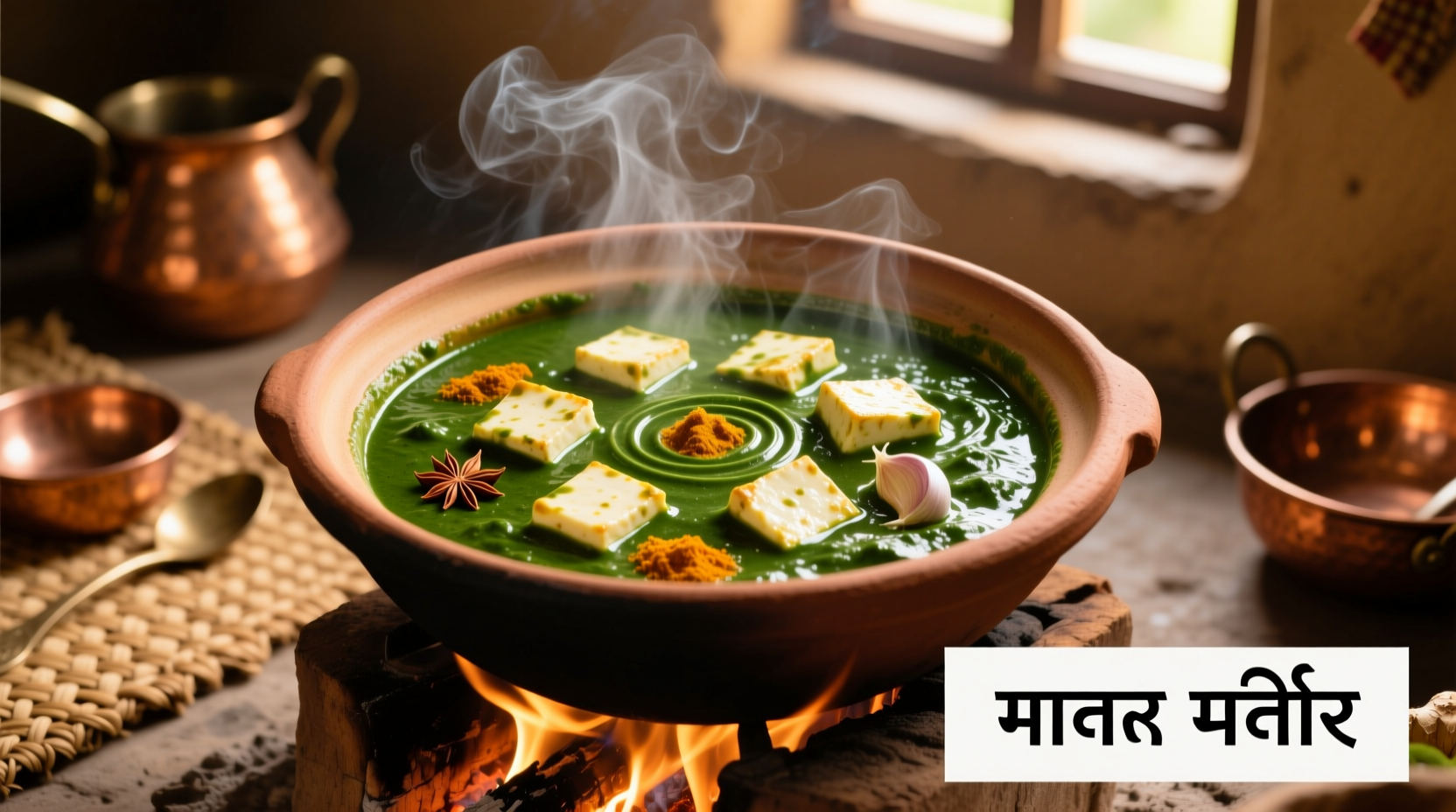
Why Spinach Thrives in Indian Culinary Traditions
Spinach, known as palak in Hindi, has been integral to Indian cooking since the 16th century when it was introduced through Persian culinary influences. Unlike many Western preparations that simply steam or sauté spinach, Indian cuisine transforms this leafy green into complex, deeply flavorful dishes through careful spice layering and cooking techniques.
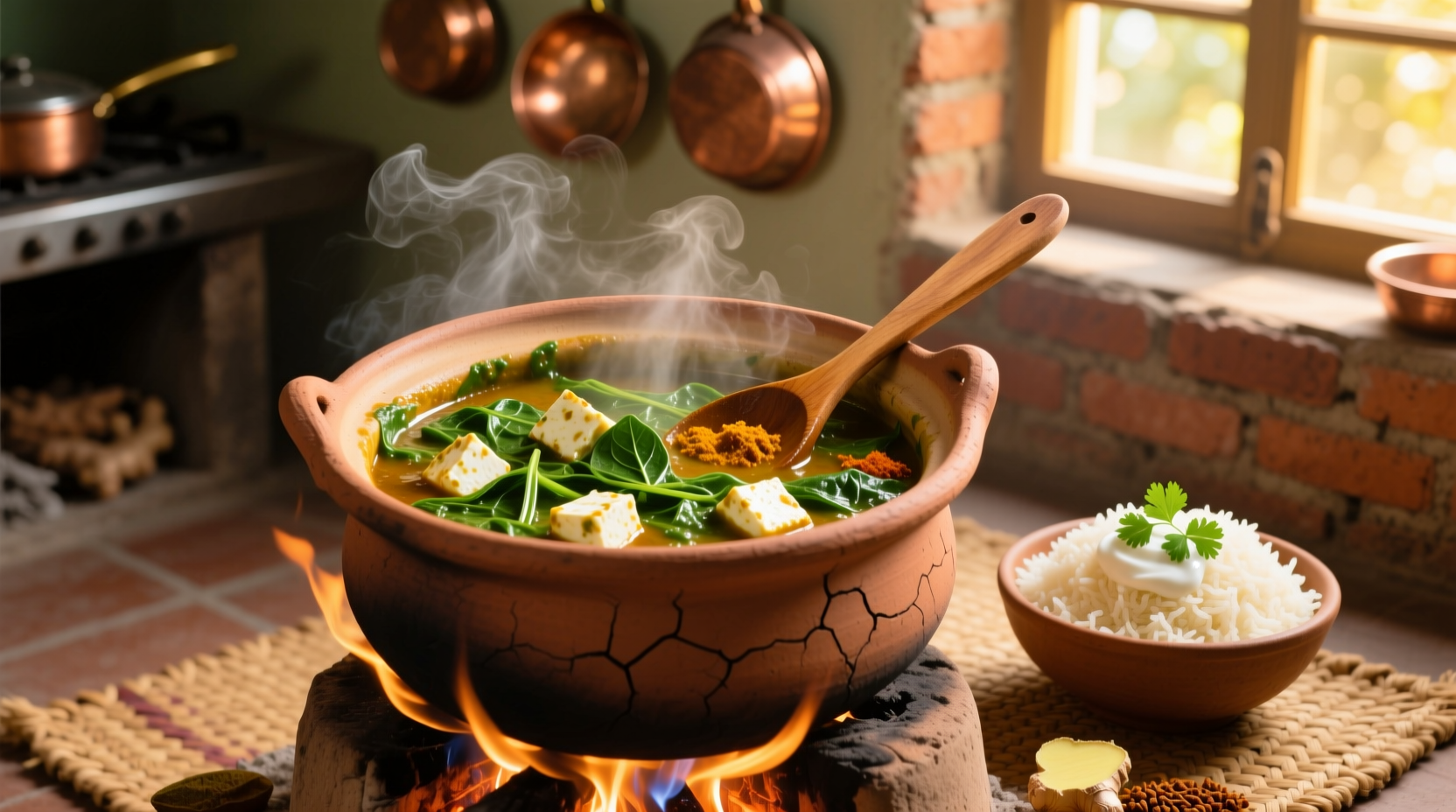
Essential Spinach Dishes Every Home Cook Should Know
Three spinach preparations form the foundation of Indian spinach cooking, each with distinct regional variations and preparation methods:
Palak Paneer: India's Beloved Spinach and Cheese Classic
This North Indian specialty features tender spinach puree blended with homemade paneer cheese cubes in a creamy, spiced tomato gravy. The magic happens through the "tadka" technique—tempering spices in hot oil before adding them to the spinach puree, which unlocks complex flavor compounds.
Saag: The Hearty Leafy Green Tradition
Originating in Punjab, saag traditionally combines multiple greens (mustard, spinach, and bathua) cooked down with ginger, garlic, and green chilies. The distinctive finish involves "bhunao"—slow cooking until the greens develop a rich, earthy depth. Many households serve saag with makki di roti (corn flatbread) and a dollop of white butter.
Palak Dal: The Nutritious Lentil-Spinach Fusion
This protein-packed dish from Eastern India combines yellow lentils (toor dal) with spinach, creating a nourishing one-pot meal. The addition of panch phoron (a five-spice blend) gives it a distinctive flavor profile different from other spinach preparations.
Regional Spinach Variations Across India
India's diverse culinary landscape yields remarkable regional differences in spinach preparation. Understanding these variations helps recreate authentic flavors:
| Region | Signature Dish | Distinctive Ingredients | Cooking Technique |
|---|---|---|---|
| North India | Palak Paneer | Fresh paneer, cream, kasuri methi | Spinach pureed after cooking, slow simmering |
| Punjab | Saag | Makki di roti, white butter | "Bhunao" technique, slow reduction |
| Eastern India | Palak Dal | Panch phoron, mustard oil | Lentils cooked with greens, minimal pureeing |
| South India | Palak Poriyal | Coconut, urad dal, curry leaves | Quick stir-fry, minimal liquid |
Mastering Authentic Spinach Preparation: Key Techniques
Professional chefs and home cooks in India follow specific methods to maximize flavor and nutrition in spinach dishes:
The Two-Stage Cooking Method for Perfect Texture
Unlike Western preparations that cook spinach briefly, Indian cooks typically use a two-stage process:
- Initial boiling: Spinach boiled until completely tender (8-10 minutes)
- Pureeing and reduction: Boiled spinach pureed then simmered to concentrate flavors
This process eliminates bitterness while developing deep, complex flavors impossible with quick cooking methods.
Spice Timing Matters Most
The sequence of adding spices dramatically affects flavor development:
- Temper whole spices (cumin seeds) in hot oil first
- Add ginger-garlic paste after 30 seconds
- Incorporate ground spices (turmeric, coriander) after 1 minute
- Add tomato paste and cook until oil separates
- Finally blend in spinach puree
Avoid These Common Spinach Cooking Mistakes
Based on culinary research from the National Institute of Nutrition, India, these errors compromise both flavor and nutrition:
- Using frozen spinach without proper draining - excess water dilutes flavors and creates a soupy texture
- Adding spinach to cold oil - prevents proper spice infusion and creates uneven flavor distribution
- Overcooking paneer - causes cheese to become rubbery (add paneer during final 5 minutes of cooking)
- Skipping the kasuri methi (dried fenugreek leaves) - this ingredient provides the distinctive earthy note essential to authentic Palak Paneer
Spinach Through the Ages: A Culinary Timeline
Understanding spinach's journey in Indian cuisine reveals why these dishes have endured:
- 1500s: Spinach introduced to India through Persian culinary influences during Mughal rule
- 1700s: Spinach begins appearing in royal Mughal kitchens, prepared with saffron and nuts
- 1800s: Spinach becomes accessible to common households, adapted into regional cooking styles
- Early 1900s: Saag becomes staple food in Punjab, particularly during winter months
- Post-1947: Palak Paneer gains national popularity as vegetarian cuisine spreads across India
- Present day: Spinach dishes recognized globally as representative of Indian culinary excellence
Serving and Pairing Your Spinach Creations
To complete your Indian spinach dish authentically, consider these traditional pairings:
- With breads: Serve Palak Paneer with naan or roti; Saag traditionally paired with makki di roti
- Rice accompaniments: Basmati rice or jeera rice complements spinach dishes perfectly
- Side elements: A cooling raita (yogurt condiment) balances the spices
- Meal structure: In traditional Indian meals, spinach dishes serve as the main vegetable component alongside dal and rice
Nutritional Powerhouse: Why Spinach Features Prominently
According to research published by the Indian Council of Medical Research, spinach's prominence in Indian cuisine isn't just about flavor—it's nutritional wisdom passed through generations. A single serving of properly prepared Indian spinach dish provides:
- Over 100% of daily vitamin K requirements
- Nearly 50% of daily vitamin A needs
- Significant iron and calcium (enhanced by traditional cooking methods)
- Powerful antioxidants preserved through specific cooking techniques
Perfecting Your Home Kitchen Technique
For authentic results without professional equipment:
- Blending hack: Use a food processor instead of blenders for smoother spinach puree
- Oil separation test: Cook masala until oil separates from the mixture—this indicates proper spice cooking
- Freshness indicator: Bright green color that doesn't turn gray during cooking
- Texture secret: Hand-chopping spinach after boiling creates better texture than food processors
FAQs About Indian Spinach Dishes
What's the difference between Palak Paneer and Saag?
Palak Paneer specifically refers to a dish made primarily with spinach and paneer cheese, while Saag traditionally combines multiple leafy greens (mustard greens, spinach, and bathua) without cheese. Saag has a more rustic, coarse texture compared to the smooth puree of Palak Paneer.
Can I make authentic Palak Paneer without cream?
Yes, traditional North Indian homes often use yogurt or cashew paste instead of cream for authentic flavor. Many regional variations completely omit dairy, relying on slow cooking to develop natural creaminess from the spinach itself.
Why does my homemade Palak Paneer taste bitter?
Bitterness typically comes from improper cooking technique. Spinach must be boiled until completely tender (8-10 minutes) before pureeing. Adding baking soda (1/8 teaspoon) during boiling helps preserve color and reduce bitterness while maintaining nutritional value.
How can I store leftover spinach dishes properly?
Store in airtight containers for up to 3 days in the refrigerator. For best results, add a thin layer of oil on top before storing to prevent oxidation. Reheat gently on low heat with a splash of water to restore texture—never microwave spinach dishes as this destroys flavor compounds.
What's the secret to preventing spinach from turning gray?
Maintaining vibrant green color requires precise timing: boil spinach in plenty of water, add a pinch of baking soda, and immediately plunge into cold water after cooking. Avoid overcooking and always add spinach to hot oil-based masala, never cold.




 浙公网安备
33010002000092号
浙公网安备
33010002000092号 浙B2-20120091-4