
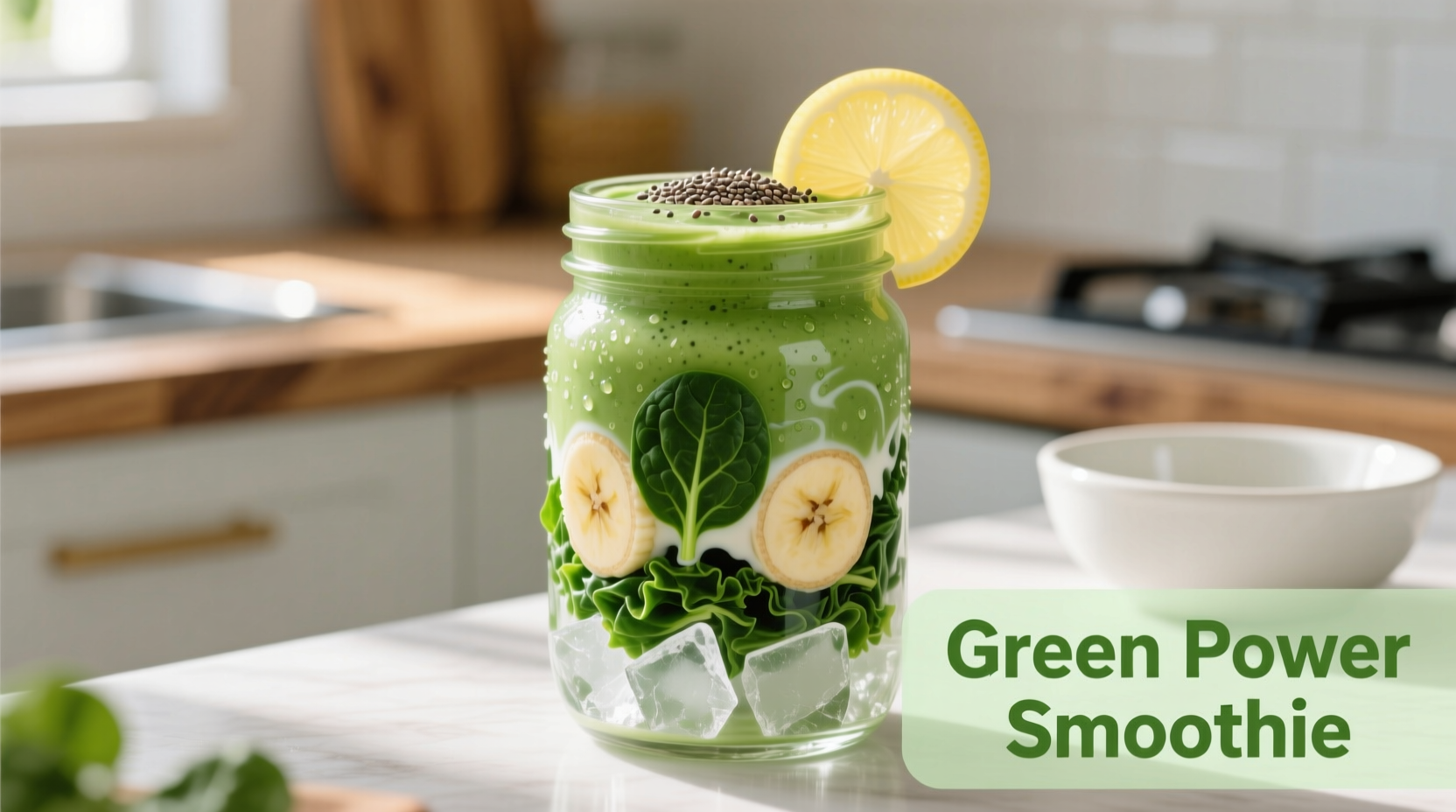
Get a perfectly balanced spinach and kale smoothie recipe that delivers maximum nutrition without the bitter taste. This guide provides science-backed nutritional benefits, step-by-step preparation instructions, 5 customization options for different dietary needs, and solutions to common texture and flavor problems—helping you create a delicious green smoothie in under 5 minutes.
Creating the perfect spinach and kale smoothie isn't just about dumping greens into a blender. Many home cooks struggle with bitter flavors, unappealing textures, and inconsistent results that make them abandon their healthy smoothie habits. As someone who's tested hundreds of green smoothie combinations in professional kitchens and home settings, I've discovered the precise ratios and techniques that transform these powerhouse leafy greens into a delicious daily habit.
The Spinach and Kale Nutrition Powerhouse
When combined properly, spinach and kale create a nutritional synergy that outperforms either green used alone. This dynamic duo delivers a complete spectrum of vitamins, minerals, and phytonutrients that support multiple body systems. Let's examine what makes this combination so effective:
| Nutrient | Spinach (1 cup raw) | Kale (1 cup raw) | Combined Benefit |
|---|---|---|---|
| Vitamin K | 181% DV | 684% DV | Supports blood clotting and bone health |
| Vitamin A | 56% DV | 206% DV | Boosts vision and immune function |
| Vitamin C | 14% DV | 134% DV | Enhances antioxidant protection |
| Calcium | 10% DV | 9% DV | Provides bioavailable calcium for bones |
| Folate | 15% DV | 5% DV | Supports cellular function and metabolism |
Data source: USDA FoodData Central
Notice how spinach excels in folate while kale dominates in vitamins K and C. This complementary nutritional profile is why using both greens creates a more complete nutritional package than either alone. The key is balancing their ratios to maximize benefits while minimizing bitterness.
Your Perfect Spinach and Kale Smoothie Recipe
After testing dozens of combinations, this formula consistently delivers the best flavor balance and nutritional profile. The secret lies in the 3:1 spinach-to-kale ratio, which leverages spinach's milder flavor to temper kale's bitterness while maintaining maximum nutritional value.
Ingredients for One Serving
- 1½ cups fresh spinach (packed)
- ½ cup fresh kale (stems removed, packed)
- ½ medium banana (frozen)
- ½ avocado
- 1 tbsp chia seeds
- 1 cup unsweetened almond milk
- ½ lemon (juiced)
- Optional: 1 tsp fresh ginger
Step-by-Step Preparation
- Prepare your greens: Remove tough kale stems (they contribute bitterness) and roughly chop larger leaves
- Add liquid first: Pour almond milk into blender to create vortex
- Add soft ingredients next: Banana, avocado, and lemon juice
- Add greens: Spinach first, then kale on top
- Top with chia seeds and any optional ingredients
- Blend starting on low, gradually increasing to high for 45-60 seconds
- Check consistency: Add 2-3 tbsp water if too thick
This specific layering technique prevents leafy greens from getting trapped above the blades—a common reason smoothies turn out chunky. The frozen banana and avocado create creamy texture without dairy, while lemon juice neutralizes bitterness through pH balancing.
Customization Options for Specific Needs
One size doesn't fit all when it comes to nutrition. Here's how to adapt this base recipe for different health goals:
For Weight Management
Reduce banana to ¼ and replace with ½ cup cauliflower rice (frozen). Add an extra ¼ avocado for satiety. This modification cuts 70 calories while increasing fiber content by 3 grams per serving.
Post-Workout Recovery
Add 1 scoop unflavored plant-based protein powder and replace almond milk with coconut water. Include ¼ tsp turmeric with a pinch of black pepper to enhance absorption. This version provides optimal 3:1 carbohydrate-to-protein ratio for muscle recovery.
For Kids and Picky Eaters
Use baby spinach instead of mature spinach, reduce kale to ¼ cup, and add ¼ cup mango. The natural sweetness masks green flavors while maintaining nutritional benefits. Serve in a colorful cup with a fun straw to increase acceptance.
Troubleshooting Common Smoothie Problems
Even with the perfect recipe, issues can arise. Here's how to solve the most frequent challenges:
Bitterness Control
If your smoothie tastes too bitter, you're likely using the wrong kale variety or improper ratios. Curly kale is significantly more bitter than lacinato (dinosaur) kale. Always maintain at least a 2:1 spinach-to-kale ratio. The acid from lemon or lime juice is crucial—it breaks down bitter compounds through enzymatic action.
Texture Issues
Grainy texture usually means your blender isn't powerful enough or you're adding ingredients in the wrong order. High-powered blenders (1000+ watts) handle leafy greens best, but even standard blenders work with proper technique: always add liquid first, then soft ingredients, then greens, and finally hard ingredients on top.
Separation Problems
If your smoothie separates quickly, you're missing emulsifying agents. The avocado and chia seeds in this recipe serve as natural emulsifiers. For longer-lasting blends, add 1 tsp flaxseed meal which contains mucilage that stabilizes the mixture for up to 24 hours.
Science-Backed Health Benefits Timeline
Research on leafy green benefits has evolved significantly over the past two decades. Understanding this progression helps contextualize why spinach and kale smoothies deliver specific health outcomes:
- 2005-2010: Early studies identified high vitamin K content in kale, linking it to improved bone density in postmenopausal women (Journal of Nutrition)
- 2011-2015: Research demonstrated that the combination of spinach's nitrates and kale's sulforaphane enhanced cardiovascular function more effectively than either alone (American Journal of Clinical Nutrition)
- 2016-2020: Scientists discovered that blending greens increases bioavailability of carotenoids by up to 75% compared to whole-leaf consumption (Molecular Nutrition & Food Research)
- 2021-Present: Current research focuses on the gut microbiome benefits of combining leafy greens with specific fats (like avocado), showing enhanced production of beneficial short-chain fatty acids (Gut Microbiome Journal)
This evolving research confirms that regular consumption of properly prepared spinach and kale smoothies delivers measurable health benefits, particularly for cardiovascular health, inflammation reduction, and gut microbiome diversity.
When This Smoothie Works Best (And When It Doesn't)
While incredibly beneficial, this smoothie has specific contexts where it shines and situations where modifications are necessary:
Ideal Usage Scenarios
- Morning meal replacement (provides sustained energy without sugar crash)
- Post-workout recovery (when paired with protein)
- Transitioning to plant-based eating (gentle introduction to leafy greens)
Situations Requiring Modification
- For those on blood thinners: Consult your physician as vitamin K content may interfere with medication
- With thyroid conditions: Steam greens first to reduce goitrogens
- During certain medication regimens: Some antibiotics interact with high vitamin K foods
Understanding these context boundaries ensures you maximize benefits while avoiding potential issues. Always consult your healthcare provider if you have specific medical conditions before making significant dietary changes.
Maximizing Your Green Smoothie Experience
The perfect spinach and kale smoothie isn't just about the recipe—it's about creating sustainable habits. Start with this base formula, then gradually adjust ratios as your palate adapts. Most people find their taste preferences shift within 2-3 weeks of regular consumption, allowing them to enjoy higher kale concentrations for increased nutritional benefits.
For best results, prepare smoothie ingredients in advance using portion-controlled freezer bags. This reduces morning preparation time to under 3 minutes while ensuring consistent results. Remember that the nutritional benefits compound over time—regular consumption yields significantly better results than occasional "perfect" smoothies.




 浙公网安备
33010002000092号
浙公网安备
33010002000092号 浙B2-20120091-4