
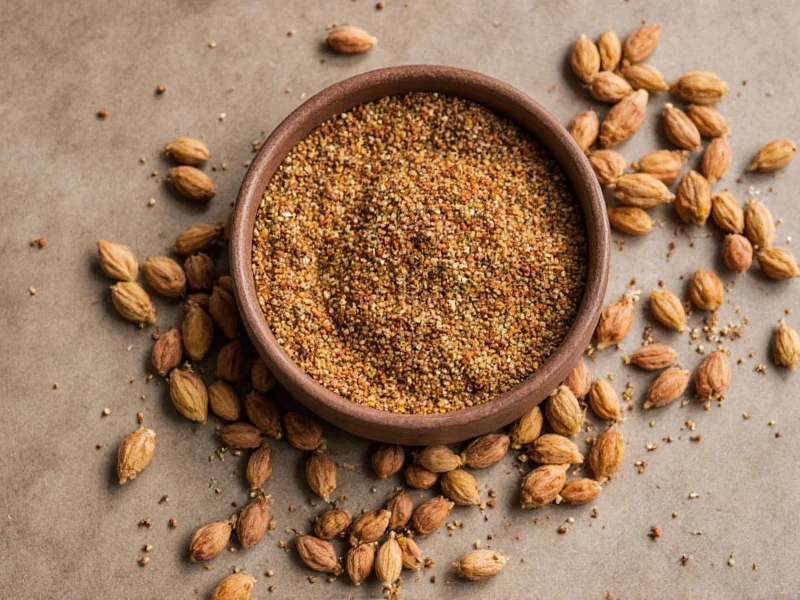
For home cooks seeking flavorful alternatives to salt, Spike Seasoning has become a pantry staple since its introduction in the 1980s. This versatile blend offers a complex taste experience while supporting low-sodium dietary needs, making it particularly valuable for those managing blood pressure or following heart-healthy eating plans.
Understanding Spike Seasoning's Origins and Purpose
Created by Colman Andrews and developed under the Mrs. Dash brand, Spike Seasoning emerged during a time when health-conscious cooking was gaining momentum. The product's name comes from the "spiky" flavor profile that delivers an immediate taste sensation without relying on salt. Unlike many commercial seasonings that use salt as a primary ingredient and flavor carrier, Spike Seasoning was formulated specifically as a salt-free alternative.
Complete Ingredient Analysis
The distinctive flavor of Spike Seasoning comes from its carefully balanced blend of natural ingredients. While formulations may vary slightly over time, the standard ingredient list includes:
| Primary Ingredients | Secondary Flavor Components | Functional Additives |
|---|---|---|
| Garlic powder | Paprika | Maltodextrin (for texture) |
| Onion powder | Black pepper | Calcium silicate (anti-caking) |
| Thyme | Marjoram | None |
| Rosemary | Sage | None |
What sets Spike Seasoning apart from many other herb blends is its complete absence of salt, MSG, and artificial preservatives. This makes it particularly valuable for individuals following strict sodium-restricted diets while still wanting robust flavor in their cooking.
Nutritional Profile and Health Considerations
With zero sodium per serving, Spike Seasoning provides a significant advantage for those monitoring their salt intake. A typical 1/4 teaspoon serving contains:
- Nearly zero calories
- No fat or cholesterol
- Complete absence of sodium
- Natural antioxidants from herbs and spices
Research suggests that many of Spike Seasoning's individual components offer potential health benefits. Garlic and onion contain compounds associated with cardiovascular health, while herbs like rosemary and thyme provide natural antioxidants. The blend's salt-free nature makes it particularly suitable for those managing hypertension or following DASH diet principles.
Practical Applications in Everyday Cooking
Understanding how to effectively use Spike Seasoning can transform your cooking. Unlike salt, which primarily enhances existing flavors, Spike Seasoning adds its own distinctive taste profile. For best results:
- Use as a direct replacement for salt in most recipes
- Add during cooking for deeper flavor integration
- Finish dishes with a light sprinkle for brighter herb notes
- Combine with citrus juices to enhance flavor complexity
Chefs often recommend starting with 1/4 teaspoon per serving and adjusting to taste, as the flavor can be more pronounced than expected. The blend works particularly well with roasted vegetables, grilled meats, soups, and salad dressings.
Comparing Spike Seasoning to Alternative Seasonings
When evaluating salt-free seasoning options, Spike Seasoning stands out for its balanced herb profile. Unlike single-ingredient alternatives like garlic powder or onion powder, Spike provides a complete flavor experience. Compared to other commercial blends:
- More herb-forward than many salt-substitute products
- Less bitter than potassium chloride-based salt substitutes
- More complex than single-herb seasonings
- Distinct from umami-focused blends like mushroom powder
Creative Recipe Integration
Home cooks can maximize Spike Seasoning's potential through thoughtful recipe integration. Try these approaches:
- Vegetable Enhancement: Toss roasted vegetables with olive oil and 1/2 teaspoon Spike Seasoning before cooking
- Protein Rub: Create a dry rub for chicken or fish by combining Spike with a small amount of olive oil
- Soup Base: Add to broth-based soups instead of salt for deeper flavor without sodium
- Dressing Component: Mix with vinegar, oil, and mustard for a flavorful salad dressing
Availability and Storage Recommendations
Spike Seasoning remains widely available at most major grocery stores, typically found in the spice aisle alongside other Mrs. Dash products. It's also available through online retailers and in many international markets where American products are sold.
For optimal flavor preservation, store Spike Seasoning in a cool, dark place away from heat sources. While spices don't technically expire, their flavor diminishes over time. Most manufacturers recommend using within 2-3 years of opening for best results. The absence of salt actually helps preserve the herb flavors longer than in some salt-based blends.
Effective Substitutes When Spike Isn't Available
If you can't find Spike Seasoning, several alternatives can provide similar flavor profiles:
- A homemade blend of equal parts garlic powder, onion powder, thyme, rosemary, and paprika
- Other salt-free herb blends with similar ingredient profiles
- Individual herb combinations tailored to specific recipes
- Low-sodium seasoning blends with comparable herb ratios
When substituting, remember that commercial blends vary significantly in intensity, so start with smaller amounts and adjust to taste. The key is maintaining that balance of garlic, onion, and herbal notes that defines Spike Seasoning's distinctive character.
Final Considerations for Home Cooks
Spike Seasoning continues to be a valuable tool for health-conscious cooks seeking flavorful alternatives to salt. Its enduring popularity speaks to its effectiveness in delivering satisfying taste without compromising dietary goals. Whether you're managing specific health conditions or simply exploring more complex flavor profiles in your cooking, understanding how to properly use this versatile blend can significantly enhance your culinary repertoire.
Frequently Asked Questions
Is Spike Seasoning gluten free?
Yes, Spike Seasoning is certified gluten-free. The product contains no wheat, barley, rye, or other gluten-containing ingredients, making it suitable for those with celiac disease or gluten sensitivity.
Can I use Spike Seasoning as a complete salt replacement?
While Spike Seasoning works well as a salt substitute in most recipes, it provides different flavor notes rather than just salty taste. For best results, use it where you want herbaceous flavors, but understand it won't replicate salt's specific taste profile. Many users find they need to adjust other seasonings when making the switch.
Does Spike Seasoning contain MSG?
No, Spike Seasoning does not contain monosodium glutamate (MSG). The product is formulated without artificial flavor enhancers, relying instead on the natural flavor compounds in its herb and spice ingredients.
How does Spike Seasoning compare to other Mrs. Dash products?
Spike Seasoning has a more pronounced herb and garlic flavor compared to many other Mrs. Dash blends. While products like Mrs. Dash Original Blend offer milder seasoning, Spike delivers a bolder, more complex taste profile specifically designed as a salt alternative rather than just a general seasoning.




 浙公网安备
33010002000092号
浙公网安备
33010002000092号 浙B2-20120091-4