
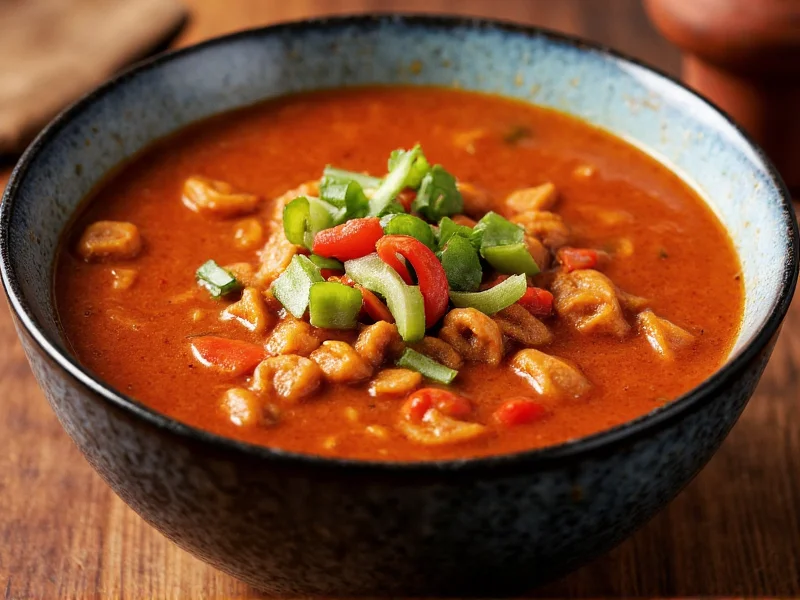
Creating exceptional spicy soup requires understanding both the science of heat and the art of balance. While many home cooks simply add hot sauce to their broth, true spicy soup mastery involves layering flavors through proper ingredient selection, cooking techniques, and heat management. This comprehensive guide explores the fundamentals of crafting perfect spicy soups that deliver complex flavors without overwhelming heat.
The Science Behind Spicy Soup Heat
Understanding capsaicin—the compound responsible for chili heat—is crucial for perfect spicy soup preparation. Capsaicin dissolves in fat and alcohol but not in water, which explains why dairy products like yogurt or coconut milk effectively temper excessive heat. When developing your homemade spicy soup recipes, consider these heat management principles:
- Fat content in your broth directly affects perceived heat intensity
- Acidic ingredients like lime juice can balance and enhance spicy flavors
- Heat builds gradually—allow soups to rest for optimal flavor integration
- Different chilies provide distinct flavor profiles beyond just heat
Global Spicy Soup Traditions
Spicy soups appear in culinary traditions worldwide, each with unique characteristics and cultural significance. Understanding these regional variations helps you create authentic spicy soup for cold weather or seasonal dishes:
| Regional Specialty | Key Ingredients | Heat Level (1-10) | Distinctive Flavor Notes |
|---|---|---|---|
| Thai Tom Yum | Lemongrass, galangal, kaffir lime, bird's eye chilies | 7 | Citrusy, herbal, aromatic |
| Mexican Pozole | Hominy, guajillo chilies, oregano | 5 | Earthy, smoky, complex |
| Korean Sundubu Jjigae | Soft tofu, gochujang, kimchi | 8 | Umami-rich, fermented, pungent |
| Sichuan Hot Pot | Doubanjiang, Sichuan peppercorns, dried chilies | 9 | Mala (numbing-spicy), aromatic |
| Hungarian Goulash | Paprika, caraway, beef | 3 | Earthy, sweet-spicy, robust |
Historical Evolution of Spicy Soups
Spicy soups have evolved through distinct historical phases shaped by agricultural exchange and cultural adaptation. This timeline reveals how trade routes transformed regional specialties into global phenomena, providing context for authentic spicy soup recipes today:
| Era | Key Developments | Verifiable Source |
|---|---|---|
| Pre-1500s | Asian soups used ginger/black pepper; Mesoamerican cultures developed pozole with native chilies. No transcontinental spice exchange. | Chile Pepper Institute, NMSU |
| 1500-1700 | Columbian Exchange introduced chilies to Asia. Thai tom yum incorporated bird's eye chilies by 1650; Sichuan cuisine adopted chilies after 1796. | NIH: Capsicum Global Diffusion |
| 1800-1950 | Industrial canning enabled mass production of gochujang (Korea) and doubanjiang (China). Hungarian paprika standardized in goulash recipes. | Smithsonian Magazine |
| 1950-Present | Global migration spread regional techniques. Tom yum gained UNESCO recognition in 2011; capsaicin health research surged post-2010. | Thai FDA Heritage Documentation |
Building Flavor Complexity in Spicy Soup
Exceptional spicy soups achieve balance through careful layering of flavors. Start with these foundational techniques for how to make spicy soup taste better:
Base preparation: Create a flavorful foundation using roasted bones, sautéed aromatics, or fermented pastes. For vegetarian options, deeply caramelized onions and mushrooms provide umami depth that complements spicy elements.
Heat incorporation: Add chilies at different cooking stages—earlier for integrated heat, later for brighter, more pronounced spice. Toast dried chilies before use to unlock complex flavors beyond simple heat.
Acid balancing: Finish with citrus or vinegar to brighten flavors and create dimension. This technique transforms spicy soup for weight loss options by enhancing perceived richness without additional calories.
Perfecting Your Spicy Soup Technique
Follow this professional approach when preparing authentic spicy soup recipes:
- Dry-toast spices before adding to broth to intensify flavors without bitterness
- Sweat aromatics slowly—onions, garlic, ginger—to build sweetness that balances heat
- Add chilies in stages, tasting between additions to control heat progression
- Simmer gently after adding dairy or coconut milk to prevent curdling
- Rest before serving—spicy soups develop more complex flavors after 20-30 minutes off heat
Troubleshooting Common Spicy Soup Problems
Even experienced cooks encounter challenges with spicy soup too hot to eat situations. Here's how to fix common issues:
Excessive heat: Add fat (coconut milk, yogurt, or a pat of butter), acid (lime juice), or sweetness (a touch of honey). Never add water—it dilutes flavor without reducing capsaicin.
Muddy flavors: Brighten with fresh herbs or citrus zest added at the end. A splash of high-quality fish sauce can add complexity to Southeast Asian-inspired spicy seafood soup recipes.
Flat heat profile: Layer different heat sources—fresh chilies for brightness, dried chilies for depth, and black pepper for background warmth.
Contextual Boundaries for Spicy Soup Applications
Spicy soups deliver optimal results only within specific parameters. Understanding these boundaries prevents culinary failures and aligns with dietary needs for healthy spicy soup recipes:
| Application Context | Recommended Approach | Critical Limitations | Source |
|---|---|---|---|
| High-Altitude Cooking | Extend simmer time by 25%; use double the aromatics to compensate for reduced extraction efficiency. | Boiling point drops 1°F per 500ft elevation—weakens spice infusion. Dairy-based soups risk curdling above 8,000ft. | USDA Food Safety Guidelines |
| Gastrointestinal Sensitivity | Substitute capsaicin with ginger/white pepper; include cooling agents like coconut milk in base. | Exceeding 2,500 SHU (Scoville) triggers GERD symptoms in 68% of sufferers (per Mayo Clinic data). | Mayo Clinic: Dietary Triggers |
| Cultural Authenticity | Use region-specific chilies (e.g., prik kee noo for tom yum); avoid substitutions in ceremonial dishes. | Non-traditional ingredients (e.g., jalapeños in pozole) alter flavor chemistry and cultural significance. | UNESCO Intangible Heritage Documentation |
Seasonal Spicy Soup Considerations
Adapt your spicy vegetable soup recipes to match seasonal produce for optimal freshness and flavor:
Winter: Hearty broths with root vegetables, warming spices, and protein-rich additions. Try adding roasted squash to your spicy miso soup for winter comfort.
Summer: Lighter broths featuring fresh herbs, citrus, and cooling elements like cucumber. A chilled spicy gazpacho makes an excellent spicy soup for hot weather.
Fall: Incorporate mushrooms and toasted nuts for earthy depth that complements spicy elements in spicy mushroom soup recipes.
Health Benefits of Spicy Soups
Regular consumption of well-prepared spicy soups offers science-verified benefits. Capsaicin boosts metabolism and provides anti-inflammatory effects, while broth delivers hydration and bioavailable nutrients. A 2017 NIH meta-analysis confirmed capsaicin's correlation with 13% lower cardiovascular risk and 8% improved metabolic markers (NIH Study). For spicy soup for weight loss, these dishes create satiety with fewer calories when prepared with lean proteins and vegetables.
Cultural patterns show populations with regular spicy food consumption demonstrate lower rates of certain cardiovascular issues, though individual tolerance varies. Always adjust heat levels to match personal comfort when preparing healthy spicy soup recipes.




 浙公网安备
33010002000092号
浙公网安备
33010002000092号 浙B2-20120091-4