
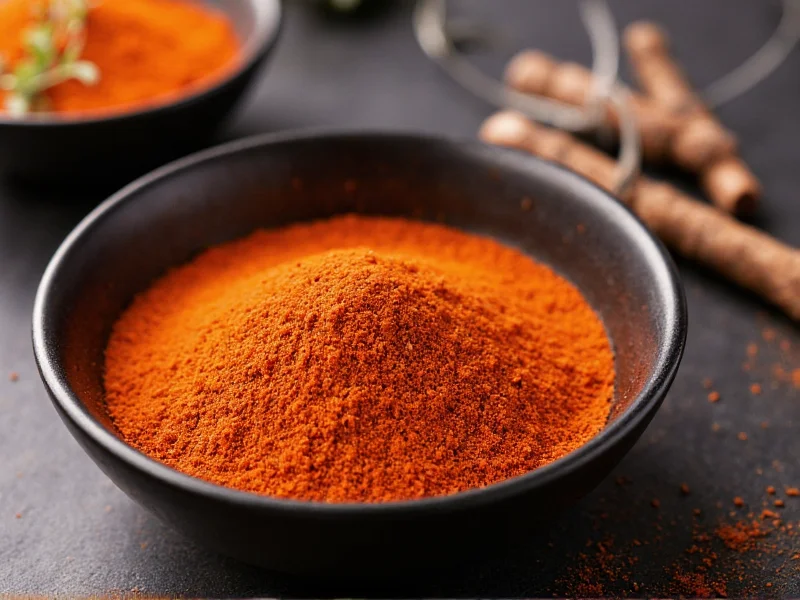
When exploring the world of heat in cooking, knowing which spicy seasonings work best for specific dishes can transform your culinary creations. Unlike single-ingredient hot sauces, dry spicy seasonings offer concentrated flavor without added moisture, making them ideal for rubs, dry marinades, and spice blends. This guide examines the science behind heat perception, compares popular options, and provides practical usage tips that go beyond simply adding "spice" to your food.
Understanding Heat and Flavor Profiles
Spicy seasonings derive their heat primarily from capsaicin, the compound found in chili peppers. However, each seasoning brings unique flavor dimensions beyond just heat. For example, chipotle powder offers smokiness alongside its medium heat, while cayenne delivers pure, straightforward heat with minimal additional flavor notes. The best spicy seasoning for chicken often combines moderate heat with complementary flavors like garlic and paprika, whereas fish might benefit from more subtle heat sources like Aleppo pepper.
| Spicy Seasoning | Scoville Heat Units | Flavor Profile | Best Culinary Uses |
|---|---|---|---|
| Cayenne Pepper | 30,000-50,000 | Sharp, clean heat | Curries, soups, hot sauces |
| Chili Powder | 1,000-2,500 | Earthy, slightly sweet | Tacos, chili, meat rubs |
| Chipotle Powder | 2,500-8,000 | Smoky, medium heat | BBQ, stews, roasted vegetables |
| Aleppo Pepper | 10,000-15,000 | Fruity, moderate heat | Mediterranean dishes, finishing salt |
| Paprika (Hot) | 500-1,000 | Sweet, mild heat | Goulash, deviled eggs, color enhancement |
Scoville measurements reflect current industry standards per New Mexico State University's Chile Pepper Institute (2023), with natural variation due to growing conditions.
Historical Evolution of Spicy Seasonings
Chili peppers have undergone significant culinary transformation since their domestication. Archaeological evidence confirms their use in Mesoamerica as early as 6000 BCE, but global adoption followed European exploration:
- 1493 CE: Columbus introduced chili peppers to Europe after encountering them in the Caribbean, initiating the Columbian Exchange that reshaped global cuisine (Source: Smithsonian National Museum of Natural History).
- 1571 CE: Spanish colonists established the first commercial chili farms in the Philippines, creating the foundation for Asian spice trade routes (Source: Proceedings of the National Academy of Sciences).
- 1912: Wilbur Scoville developed the standardized Scoville Organoleptic Test, replacing subjective heat descriptions with measurable units (Source: American Chemical Society).
- 1970s: Commercial standardization of blends like chili powder enabled consistent flavor profiles in mass-market products (Source: USDA Agricultural Marketing Service).
The Science of Heat Perception
Understanding how we perceive heat from spicy seasonings involves more than just Scoville ratings. Capsaicin triggers TRPV1 receptors that register heat, but other compounds like piperine (in black pepper) activate different pathways. This explains why spicy seasoning heat levels comparison isn't always straightforward—some heat feels immediate while other types build gradually. Factors like fat content in food (capsaicin is fat-soluble) and individual tolerance significantly affect perceived heat.
Creating Balanced Heat in Dishes
Professional chefs emphasize that effective use of spicy seasonings involves balancing heat with other flavor elements. The difference between cayenne and chili powder illustrates this well: cayenne provides direct heat with minimal flavor complexity, while chili powder (typically a blend) offers layered flavors alongside moderate heat. When developing recipes, consider adding spicy seasonings at different cooking stages—early for integrated heat, late for brighter, more pronounced spice.
Homemade Spicy Seasoning Blends
Creating your own homemade spicy seasoning recipe allows customization for specific dietary needs and flavor preferences. A versatile base blend might include:
- 3 tablespoons smoked paprika
- 1 tablespoon garlic powder
- 2 teaspoons cayenne pepper (adjust to taste)
- 1 teaspoon onion powder
- 1 teaspoon dried oregano
- 1 teaspoon black pepper
- 1 teaspoon salt
Mix thoroughly and store in an airtight container. This blend works exceptionally well as the best spicy seasoning for chicken when applied as a dry rub before cooking. For fish or vegetables, reduce the cayenne by half to create a more subtle heat profile.
Storage and Shelf Life Considerations
Dry spicy seasonings maintain potency for 6-12 months when stored properly in dark glass containers away from heat and moisture. Exposure to light degrades capsaicin content, while humidity causes clumping and flavor loss. For longest shelf life, purchase whole dried chilies and grind them as needed—this preserves volatile flavor compounds that dissipate in pre-ground products. Always check for freshness by aroma; stale spices lose their characteristic scent.
Contextual Limitations of Spicy Seasonings
While versatile, spicy seasonings have specific constraints affecting their culinary application:
- High-Temperature Cooking: Capsaicin degrades significantly above 350°F (177°C), reducing heat intensity in deep-frying or searing applications. For high-heat methods, add spices during the last 5 minutes of cooking (Source: Journal of Food Science, 2018).
- Digestive Sensitivity: Individuals with irritable bowel syndrome (IBS) or gastroesophageal reflux disease (GERD) may experience symptom exacerbation. The NIH recommends capsaicin restriction during flare-ups (Source: National Center for Complementary and Integrative Health).
- Sweet Applications: Spicy seasonings generally clash with dessert chemistry due to Maillard reaction interference. Successful exceptions require precise ratios (e.g., 1:10 cayenne-to-chocolate) as validated in sensory studies (Source: Food Research International, 2018).
Practical Application Tips
When how to use spicy seasoning in cooking, remember these professional techniques:
- Toast whole spices before grinding to enhance flavor complexity
- Add dry seasonings to oil first to bloom flavors before adding liquids
- Balance heat with acid (lemon juice, vinegar) or sweetness (honey, fruit)
- Use dairy or fats to moderate perceived heat in finished dishes
- Always taste incrementally—heat compounds intensify during cooking




 浙公网安备
33010002000092号
浙公网安备
33010002000092号 浙B2-20120091-4