
Table of Contents
Introduction to Homemade Shrimp Spice Rubs
Shrimp is a versatile seafood that deserves more than basic seasoning. A homemade shrimp spice rub transforms ordinary shrimp into restaurant-quality dishes with minimal effort. Unlike store-bought blends, making your own ensures fresh, customizable flavors without unnecessary additives. This guide covers everything you need to create the perfect shrimp spice rub from scratch.
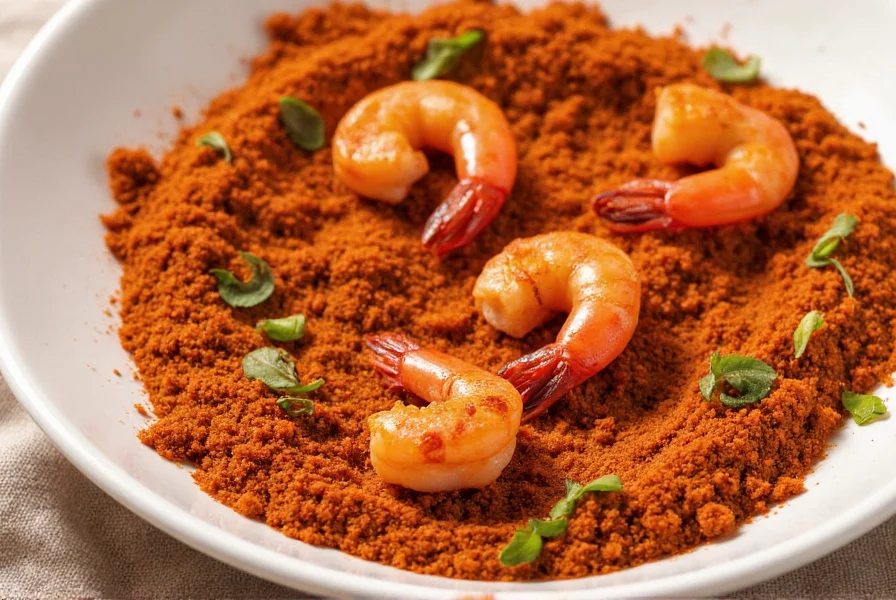
Whether you're grilling, sautéing, or baking, a well-crafted spice rub enhances shrimp's natural sweetness while adding depth and complexity. In this article, you'll learn the science behind spice combinations, how to make your own rub, and five delicious variations for different cuisines.
Key Ingredients and Their Roles
Understanding why each ingredient matters helps you customize your rub. Here's what makes a great shrimp spice blend:
Paprika
Paprika forms the flavor foundation, providing sweet, smoky notes and vibrant color. Smoked paprika adds depth for grilled shrimp, while sweet paprika works well for delicate preparations. Avoid hot paprika unless you want significant heat.
Garlic Powder
Garlic powder delivers consistent flavor without burning (unlike fresh garlic). It creates savory umami that complements shrimp's natural sweetness. Use 1-2 teaspoons per tablespoon of rub for balanced flavor.
Onion Powder
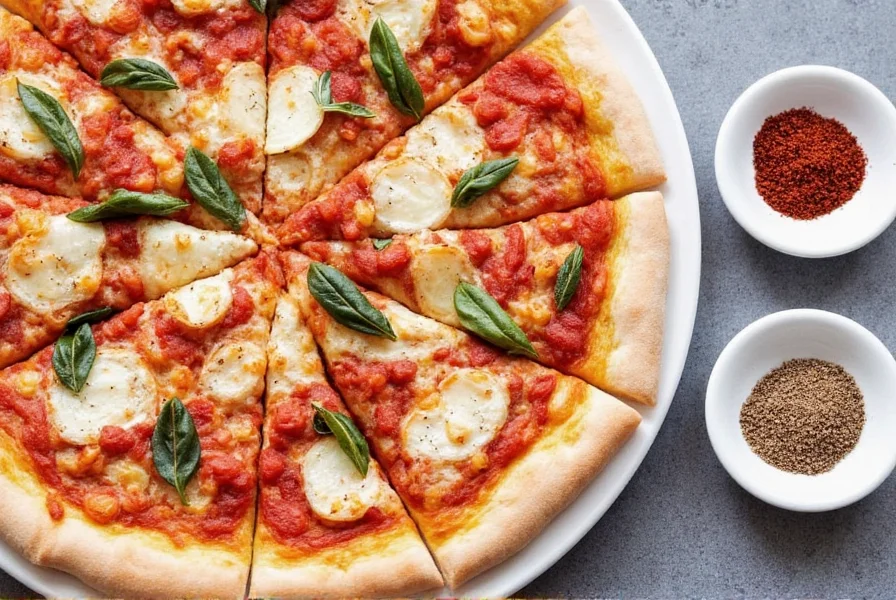
Onion powder adds subtle sweetness and earthiness. Unlike fresh onions, it won't make shrimp watery and distributes evenly. Combine with garlic powder for a savory base that enhances all other flavors.
Cumin
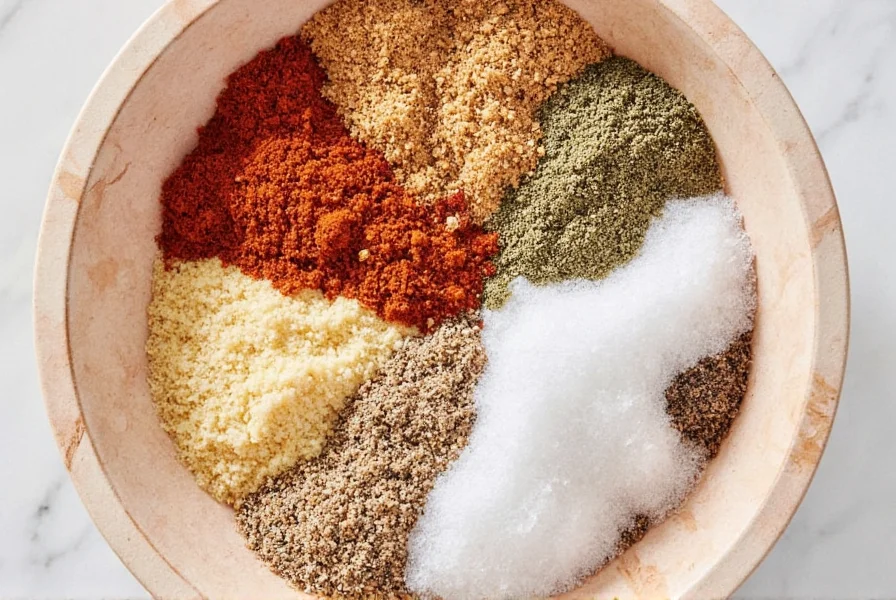
Cumin brings warm, earthy notes perfect for Mexican or Caribbean-inspired dishes. Use sparingly (1/2 teaspoon per tablespoon of rub) as too much can overpower shrimp's delicate flavor.
Cayenne Pepper
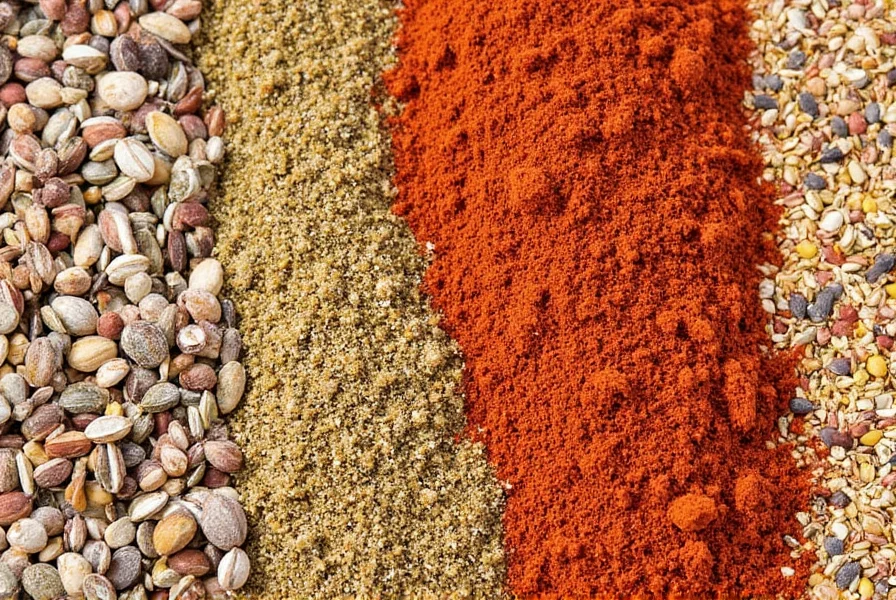
Cayenne provides adjustable heat. Start with 1/4 teaspoon per tablespoon of rub and increase gradually. For milder heat, substitute with sweet paprika or smoked paprika.
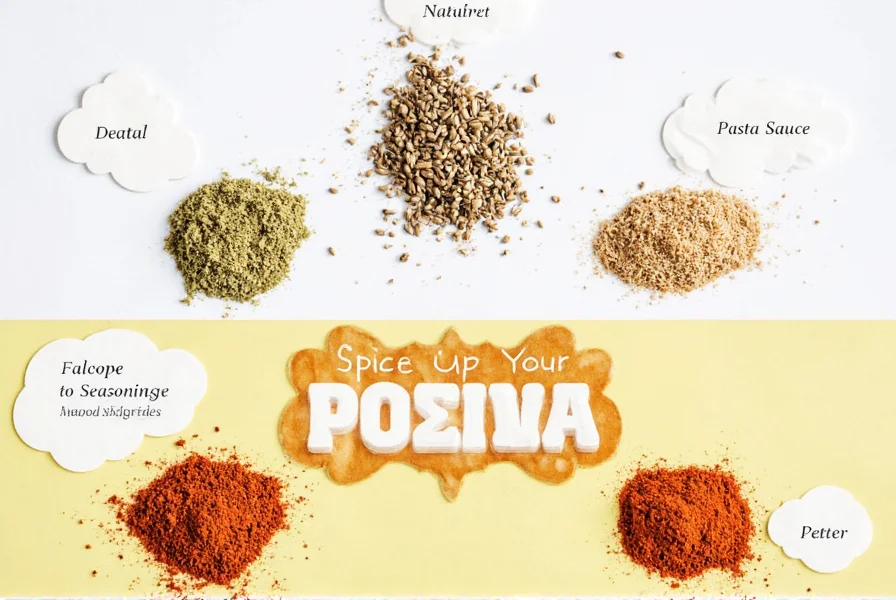
Step-by-Step Recipe for Homemade Shrimp Spice Rub
Follow this simple recipe to create a versatile base blend:
- Measure ingredients - Use 2 tablespoons paprika, 1 tablespoon garlic powder, 1 tablespoon onion powder, 1 teaspoon cumin, 1/2 teaspoon cayenne pepper, and 1 teaspoon black pepper.
- Mix thoroughly - Combine all ingredients in a small bowl. Use a whisk or fork to ensure even distribution.
- Store properly - Transfer to an airtight container. Keep in a cool, dark place for up to 6 months.
This basic blend works for all cooking methods. For maximum flavor penetration, apply the rub to shrimp 15-30 minutes before cooking. Pat shrimp dry first for better adhesion.
5 Flavorful Shrimp Spice Rub Variations
| Variation | Key Ingredients | Best For |
|---|---|---|
| Classic Cajun | 2 tbsp paprika, 1 tbsp garlic powder, 1 tbsp onion powder, 1 tsp cayenne, 1 tsp oregano, 1/2 tsp thyme | Grilled shrimp, seafood boils |
| Mexican Lime | 2 tbsp paprika, 1 tbsp garlic powder, 1 tbsp onion powder, 1 tsp chili powder, 1 tsp lime zest (dried), 1/2 tsp cumin | Tacos, fajitas, skillet shrimp |
| Caribbean Jerk | 2 tbsp paprika, 1 tbsp garlic powder, 1 tbsp onion powder, 1 tsp allspice, 1/2 tsp nutmeg, 1/4 tsp scotch bonnet powder | Grilled or baked shrimp, jerk seasoning |
| Italian Herb | 2 tbsp paprika, 1 tbsp garlic powder, 1 tbsp onion powder, 1 tsp dried basil, 1 tsp dried oregano, 1/2 tsp lemon zest (dried) | Roasted shrimp, pasta dishes, seafood salads |
| Asian Sesame | 2 tbsp paprika, 1 tbsp garlic powder, 1 tbsp onion powder, 1 tsp sesame seeds, 1/2 tsp ginger powder, 1/2 tsp soy powder | Sauteed shrimp, stir-fries, sushi rolls |
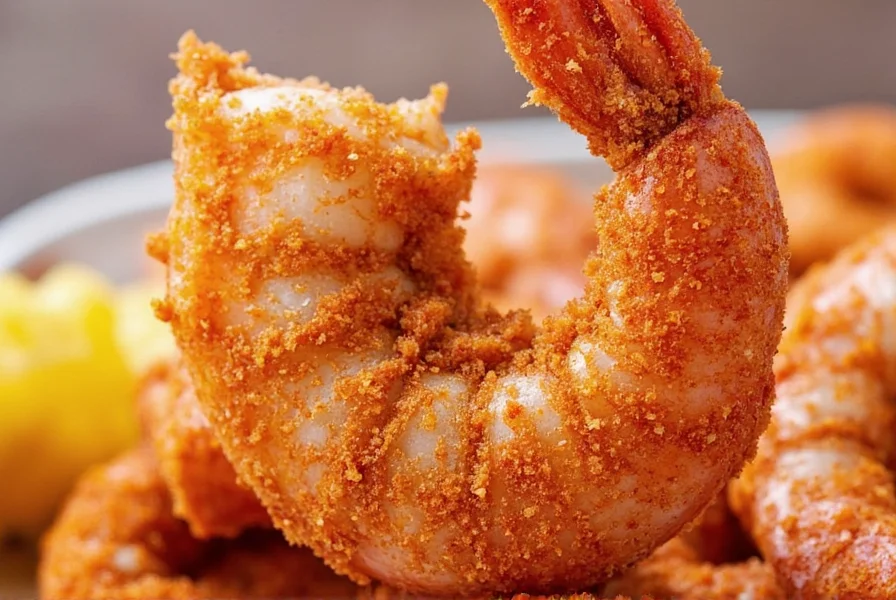
How to Use Your Homemade Shrimp Spice Rub
Follow these steps for perfect results every time:
- Prep the shrimp - Clean and devein shrimp. Pat completely dry with paper towels to ensure rub adherence.
- Apply the rub - Use 1-2 tablespoons per pound of shrimp. Massage gently to coat evenly.
- Rest - Let sit 15-30 minutes (longer for thicker shrimp). Avoid marinating over 1 hour to prevent toughness.
- Cook - Grill, sauté, or bake at medium-high heat. The rub creates a flavorful crust while keeping shrimp juicy inside.
- Serve - Pair with fresh lime wedges, rice, or grilled vegetables for balanced meals.
Pro Tips for Perfect Shrimp Every Time
- Use fresh, high-quality shrimp - Frozen shrimp should be thawed completely and patted dry before seasoning.
- Adjust heat gradually - Start with less cayenne or chili powder, then add more after tasting the rub.
- Balance flavors - Add a pinch of brown sugar for sweetness or lemon zest for brightness to any variation.
- Store properly - Keep homemade rub in airtight containers away from light and heat to maintain freshness.
- Experiment - Try adding smoked paprika for depth or fresh herbs like cilantro after cooking for brightness.
Frequently Asked Questions
How long should I marinate shrimp with a spice rub?
For best results, marinate shrimp for 15-30 minutes. Shrimp are delicate and can become rubbery if marinated too long, especially with acidic ingredients. The spices penetrate quickly due to shrimp's tender texture.
Can I use fresh garlic instead of powder?
Yes, but use 1/2 teaspoon minced fresh garlic per tablespoon of rub. Add it just before cooking to prevent burning. Powdered garlic distributes more evenly and won't burn during high-heat cooking.
How much spice rub should I use per pound of shrimp?
Use 1-2 tablespoons per pound of shrimp. Start with 1 tablespoon for a mild flavor, then add more if desired. Remember that you can always add more spice, but you can't remove it once applied.
How long does homemade shrimp spice rub last?
Properly stored in an airtight container away from light and heat, homemade spice rub maintains peak flavor for 6 months. For best results, make small batches and use within 3 months.
Can I substitute ingredients in the recipe?
Absolutely! Swap paprika for smoked paprika for deeper flavor, or replace cayenne with chipotle powder for smoky heat. For low-sodium versions, omit salt and add extra herbs or citrus zest for flavor complexity.
Conclusion
Making your own shrimp spice rub is simple, affordable, and far superior to store-bought options. With this guide, you can create restaurant-quality shrimp dishes at home using customizable blends that match your taste preferences. Whether you're grilling for a summer barbecue or preparing a quick weeknight dinner, a homemade spice rub ensures every bite is flavorful and satisfying.
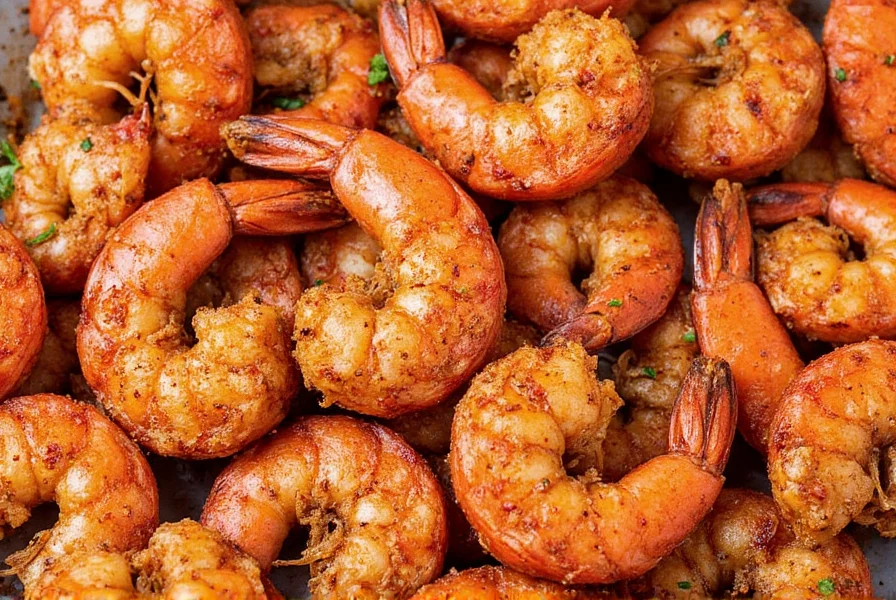
Experiment with the variations provided, adjust to your taste, and enjoy the endless possibilities of perfectly seasoned shrimp. Happy cooking!




 浙公网安备
33010002000092号
浙公网安备
33010002000092号 浙B2-20120091-4