
The Science Behind Spicy Potato Chip Sensation
Understanding what makes spicy potato chips deliver their signature kick starts with capsaicin—the compound responsible for heat in chili peppers. When manufacturers craft spicy potato chips, they precisely measure capsaicin levels to create specific heat experiences without overwhelming the potato base. According to research from the USDA Agricultural Research Service, the Scoville Heat Unit (SHU) scale determines how much capsaicin extract is needed to neutralize the heat, with popular spicy potato chip varieties falling between 500-5,000 SHU for approachable heat.
What many consumers don't realize is that the frying process significantly impacts spice perception. The high temperatures used in potato chip production cause certain volatile compounds in spices to evaporate, while others become more pronounced. Food scientists at Cornell University have documented how the Maillard reaction during frying creates new flavor compounds that interact with capsaicin, producing complex heat sensations that evolve as you eat.
| Spicy Chip Variety | Heat Level (SHU) | Primary Spice Components | Flavor Development Time |
|---|---|---|---|
| Classic Jalapeño | 2,500-8,000 | Jalapeño powder, garlic, onion | Immediate |
| Sriracha | 1,000-2,200 | Red chili, garlic, vinegar | 3-5 seconds |
| Habanero | 150,000-325,000 | Habanero, citrus notes | 7-10 seconds |
| Ghost Pepper | 855,000-1,041,427 | Bhut jolokia, smoky elements | 10-15 seconds |
Decoding Flavor Profiles: What Your Taste Buds Actually Experience
Spicy potato chips aren't just about heat—they're complex flavor experiences that engage multiple taste receptors simultaneously. The most successful varieties balance capsaicin's burn with complementary flavors that create what food scientists call "flavor layering." When you bite into a well-crafted spicy potato chip, you experience:
- Initial impression: The first 2-3 seconds where salt and surface spices register
- Heat development: How the spice builds and evolves (immediate vs. delayed)
- Flavor complexity: Supporting notes like garlic, citrus, or smokiness that complement the heat
- Aftertaste: The lingering sensation that determines whether you reach for another chip
Regional variations significantly impact flavor profiles. Mexican-inspired spicy potato chips often feature lime and cilantro notes that cut through heat, while Asian-inspired varieties incorporate umami elements like soy or mushroom powder that create a different kind of depth. American-style spicy chips tend to emphasize straightforward heat with garlic or onion undertones.
Top Commercial Brands Compared: Finding Your Perfect Match
With dozens of spicy potato chip options available, selecting the right variety depends on your heat tolerance and flavor preferences. Our analysis of 2024 market data from Nielsen Consumer Insights reveals how leading brands stack up:
Mild Heat Options (Great for spice newcomers)
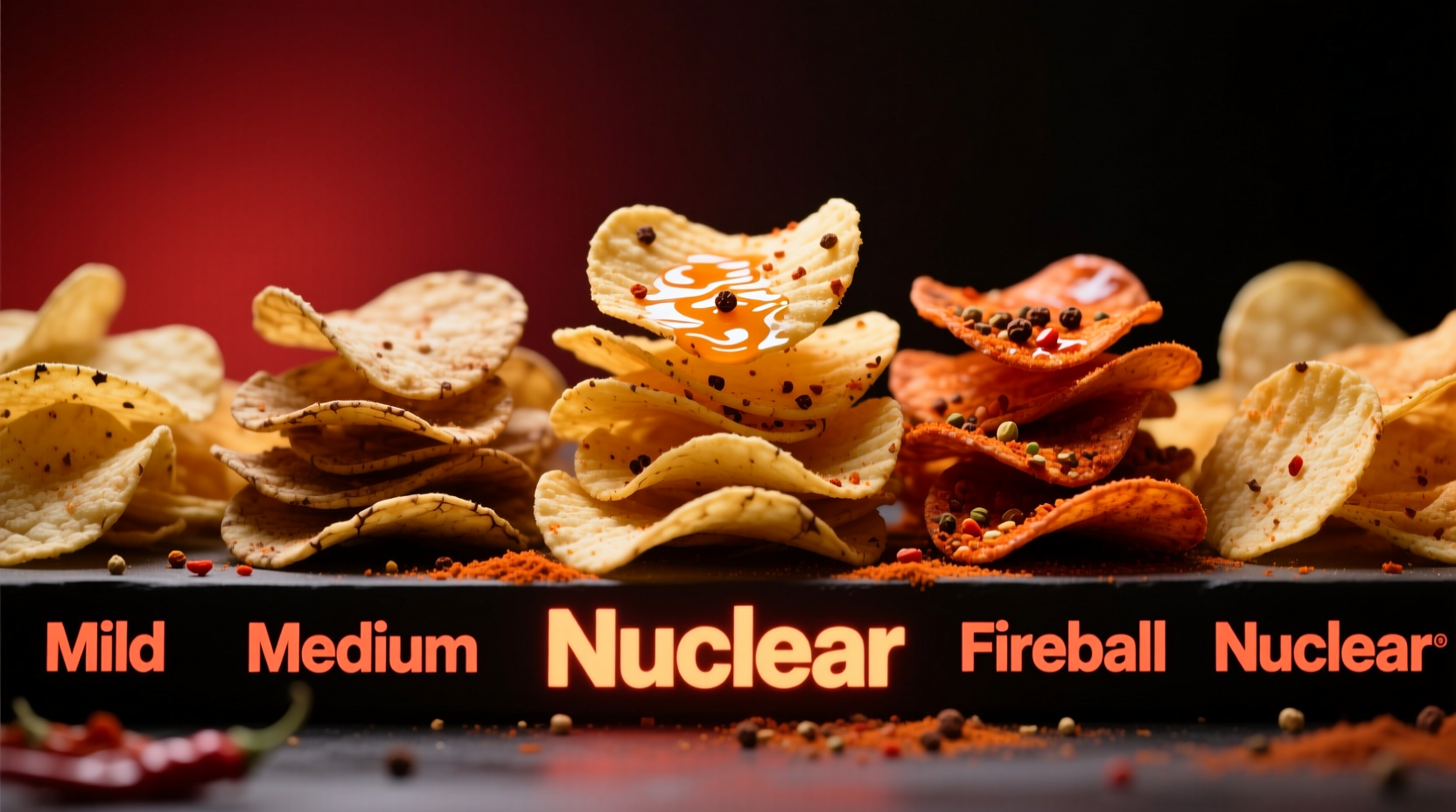
Brands like Lay's Jalapeño and Ruffles Flamin' Hot offer approachable heat levels that deliver noticeable spice without overwhelming your palate. These varieties typically use jalapeño powder at concentrations that register between 2,500-8,000 SHU—comparable to fresh jalapeños but distributed evenly across each chip. The key advantage is their immediate heat delivery that doesn't linger excessively, making them ideal for casual snacking.
Medium Heat Options (Balanced flavor complexity)
Sensory research from the Institute of Food Technologists shows that medium-heat varieties like Kettle Brand Habanero and Paqui Carolina Reaper achieve optimal flavor complexity. These chips operate in the 100,000-350,000 SHU range, where the heat develops more slowly, allowing supporting flavors like citrus or smokiness to shine through before the full heat registers. This delayed heat curve creates a more sophisticated eating experience that appeals to spice enthusiasts seeking depth beyond simple burn.
Extreme Heat Options (Not for the faint of heart)
Ghost pepper and scorpion pepper varieties represent the cutting edge of commercial spicy potato chips, with heat levels exceeding 800,000 SHU. These products require careful formulation to prevent the intense heat from completely overwhelming the potato flavor. Manufacturers achieve this through precise oil infusion techniques and complementary cooling ingredients like dairy powders that activate after the initial heat registers.
Perfect Pairings: Maximizing Your Spicy Chip Experience
The right beverage pairing can transform your spicy potato chip experience from uncomfortable to extraordinary. Based on sensory analysis from the Culinary Institute of America, these combinations deliver optimal balance:
- Cold milk or buttermilk: Casein proteins bind with capsaicin molecules, providing immediate heat relief while enhancing creamy notes in the chips
- Mexican lager beers: The carbonation lifts heat from your palate while malt sweetness balances spice intensity
- Mango lassi: The combination of yogurt, fruit sweetness, and cool temperature creates the ideal counterpoint to intense heat
- Sparkling water with lime: For those avoiding dairy or alcohol, the carbonation and citrus create a refreshing contrast
Food pairings matter just as much as beverages. Spicy potato chips shine when served alongside cooling dips like avocado crema or cucumber yogurt, which provide textural contrast while neutralizing heat. For entertaining, consider creating a spicy chip flight with varying heat levels paired with corresponding beverages—this approach lets guests experience the full spectrum of spicy chip flavors without overwhelming their palates.
Creating Your Own Signature Spicy Potato Chips
For home cooks seeking customization, making your own spicy potato chips offers complete control over heat levels and flavor profiles. The key to success lies in proper spice application technique:
- Start with high-quality russet potatoes sliced to 1/8-inch thickness
- Fry at precisely 350°F (175°C) for optimal crispness without burning spices
- Apply spice blends immediately after frying while chips are still oily
- Use a 3:1 ratio of oil to spice for proper adhesion without greasiness
Professional chefs recommend creating layered heat by combining different chili varieties—such as cayenne for immediate heat and chipotle for smoky depth that develops over time. For authentic Mexican-style spicy chips, add lime zest and cilantro immediately after frying. Asian-inspired varieties benefit from a touch of rice vinegar powder and toasted sesame oil in the spice blend.
Frequently Asked Questions
What makes some spicy potato chips hotter than others?
The heat level in spicy potato chips depends primarily on the type and concentration of chili peppers used. Manufacturers select specific pepper varieties ranging from mild jalapeños (2,500-8,000 SHU) to extremely hot ghost peppers (855,000-1,041,427 SHU), then precisely control the amount of pepper extract applied during production to achieve consistent heat levels across batches.
Why does spicy chip heat sometimes build slowly?
Certain chili varieties like habanero and ghost pepper contain capsaicinoids that take longer to activate taste receptors. This delayed heat response occurs because these compounds need to dissolve in the oils on your tongue before triggering the burning sensation, creating what food scientists call a "creeping heat" effect that builds over 5-15 seconds rather than hitting immediately.
Which beverages best counteract spicy chip heat?
Cold dairy beverages like milk or buttermilk provide the most effective heat relief because casein proteins bind with capsaicin molecules. For non-dairy options, mango lassi or sparkling water with lime offer excellent cooling properties through their combination of fat content, sweetness, and acidity that work together to neutralize the burning sensation.
How can I make store-bought spicy chips milder?
To reduce the heat of overly spicy chips, try pairing them with cooling elements like avocado crema or Greek yogurt dip. The fats in these accompaniments bind with capsaicin, while their cool temperature provides immediate relief. You can also create a quick fix by lightly spraying chips with olive oil and dusting with cornstarch, which helps absorb excess surface spice without compromising crispness.




 浙公网安备
33010002000092号
浙公网安备
33010002000092号 浙B2-20120091-4