
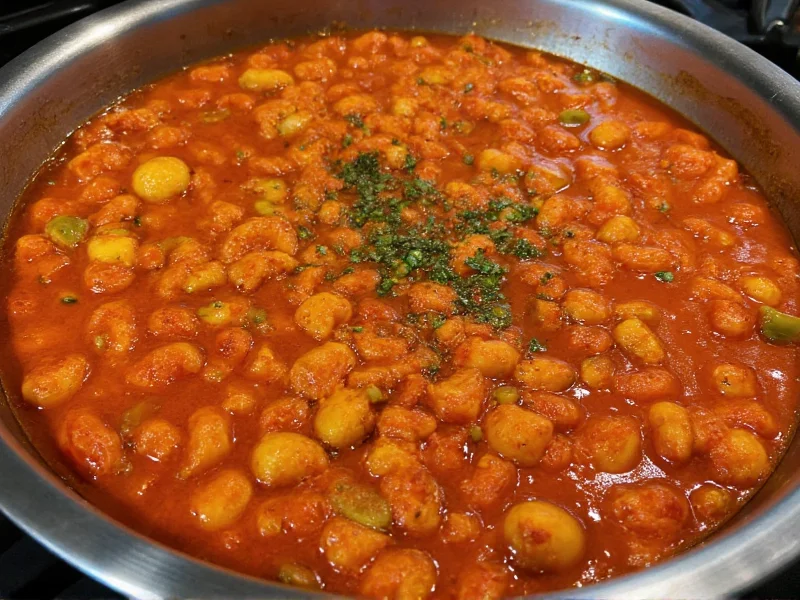
When navigating menus or selecting ingredients, knowing how spicy levels work can transform your culinary experience. The measurement of spiciness isn't arbitrary—it follows scientific principles that have evolved over a century. Originally developed by pharmacist Wilbur Scoville in 1912, the Scoville Organoleptic Test involved human testers diluting chili extracts until the heat became undetectable. Today, high-performance liquid chromatography provides precise measurements of capsaicinoids, the compounds responsible for that burning sensation.
Evolution of Spicy Measurement: Historical Timeline
The methodology for quantifying heat intensity has undergone significant scientific refinement. Understanding this progression explains why modern measurements are more reliable and universally applicable:
- 1912: Wilbur Scoville develops the subjective Organoleptic Test requiring human panels to determine heat thresholds through sequential dilution [University of Georgia Extension].
- 1980s: High-performance liquid chromatography (HPLC) becomes the industry standard, replacing sensory panels with objective chemical analysis of capsaicinoid concentrations [University of Georgia Extension].
- 2010s: Advanced mass spectrometry techniques enable precise differentiation between individual capsaicinoids, revealing why peppers with identical SHU ratings produce distinct burn sensations [National Center for Biotechnology Information].
This evolution eliminated human subjectivity while uncovering nuances in capsaicinoid chemistry that explain regional variations in heat perception.
The Science Behind Spicy Sensation
Capsaicin, the primary capsaicinoid in chili peppers, triggers TRPV1 receptors in your mouth and throat—receptors that normally respond to actual heat. This neurological trick makes your brain think you're experiencing physical heat, hence the "burning" sensation. The concentration of capsaicin directly correlates with spiciness intensity, measured in Scoville Heat Units (SHU). Higher SHU values indicate exponentially more capsaicin—each increment represents a tenfold increase in heat potential.
Standard Spicy Level Classifications
While restaurants and food producers use various labeling systems, most follow a consistent progression from mild to extreme. Understanding these categories helps set proper expectations when ordering or cooking:
| Spicy Level | Scoville Range | Common Examples | Sensory Experience |
|---|---|---|---|
| Mild | 0-500 SHU | Bell peppers, pimentos | No noticeable heat, subtle flavor |
| Medium Mild | 500-2,500 SHU | Pepperoncini, Anaheim | Noticeable warmth, minimal burn |
| Moderate | 2,500-15,000 SHU | Jalapeño, Hungarian wax | Clear heat sensation, builds gradually |
| Hot | 15,000-50,000 SHU | Serrano, Tabasco | Significant burn, requires recovery time |
| Very Hot | 50,000-100,000 SHU | Cayenne, Thai bird chili | Intense heat, affects breathing |
| Extreme | 100,000-350,000 SHU | Habanero, Scotch bonnet | Overwhelming burn, physical reaction likely |
| Superhot | 350,000+ SHU | Ghost pepper, Carolina Reaper | Extreme pain, potential medical concern |
Contextual Limitations of Scoville Measurements
The Scoville scale provides valuable quantitative data, but real-world application requires understanding its constraints:
- Individual Biological Variation: Genetic differences in TRPV1 receptor density cause identical SHU peppers to register 3-5x hotter for some individuals. Population studies show 23% of adults have heightened sensitivity to capsaicin [National Center for Biotechnology Information].
- Capsaicinoid Composition: Peppers contain multiple capsaicinoids (e.g., capsaicin, dihydrocapsaicin) that produce distinct burn profiles. A habanero's front-of-mouth burn differs from a ghost pepper's throat-focused heat despite similar SHU [NCBI].
- Agricultural Variability: Identical pepper varieties can vary 40% in SHU due to soil composition and climate. Commercial growers use controlled environments to minimize this fluctuation [University of Georgia Extension].
These factors explain why two peppers rated at 100,000 SHU may deliver dramatically different experiences, emphasizing that SHU is a starting point—not an absolute predictor—of perceived heat.
How Food Establishments Indicate Spicy Levels
Restaurants and packaged food producers use various systems to communicate heat intensity. Common indicators include:
- Pepper icons - One pepper (mild) to five peppers (extreme)
- Color coding - Green (mild) to red (hot) to black (extreme)
- Descriptive terms - "Kick," "Zing," "Fire," "Volcano"
- Number scales - 1-5 or 1-10 heat ratings
When encountering unfamiliar spicy level indicators, consider asking staff about their specific scale. Regional variations exist—what's considered "hot" in one area might be "mild" in another. This understanding of spicy level indicators on menus prevents unpleasant surprises and enhances dining experiences.
Cultural Perspectives on Spicy Tolerance
Spicy tolerance varies dramatically across cultures and individuals. In regions like Sichuan China, Thailand, and Mexico, children regularly consume moderately spicy foods, building tolerance from an early age. What Americans might classify as "very hot" could be considered mild in these culinary traditions. Genetic factors also play a role—some people naturally have more pain receptors, making them more sensitive to capsaicin.
When traveling or trying new cuisines, understanding these cultural differences in spice perception helps set appropriate expectations. Don't be surprised if a "medium" dish in Thailand feels like "extreme" by your previous standards. This knowledge about cultural differences in spicy perception prevents misunderstandings and enhances cross-cultural dining experiences.
Building Your Spicy Tolerance Safely
Developing higher spice tolerance is possible through gradual exposure. Start with mild peppers like poblanos and slowly progress to hotter varieties. Consistent, moderate exposure—rather than occasional extreme challenges—produces the most sustainable results. Pair spicy foods with dairy products like yogurt or milk, which contain casein that breaks down capsaicin.
Avoid common mistakes when building spicy tolerance: never jump to extremely hot peppers prematurely, don't consume excessive amounts in one sitting, and recognize your personal limits. Some people experience gastrointestinal distress even with moderate spice levels—knowing your body's response is crucial. Understanding how to build spicy tolerance safely prevents negative experiences while expanding your culinary horizons.
Practical Applications in Cooking
When cooking with spicy ingredients, remember that heat distribution isn't uniform. Seeds and white membranes contain the highest capsaicin concentration—removing them reduces heat significantly while preserving flavor. Cooking doesn't eliminate capsaicin (it's fat-soluble and heat-stable), but combining spicy elements with fats like oil or coconut milk helps distribute the heat more evenly.
For recipe development, understanding spicy heat levels allows precise control over final dish intensity. Consider that different capsaicinoids affect various parts of the mouth—some create immediate front-of-mouth heat while others produce lingering throat burn. This knowledge of comparing spicy food heat levels helps create balanced, intentional flavor profiles rather than unpredictable heat bombs.
When Spicy Levels Become Dangerous
While most commercially available spicy foods pose minimal risk, extreme peppers require caution. Consuming peppers above 1 million SHU can cause temporary breathing difficulties, severe stomach pain, and in rare cases, more serious reactions. The current world record holder, the Carolina Reaper (1.4-2.2 million SHU), has been linked to thunderclap headaches in susceptible individuals.
Responsible handling includes wearing gloves when preparing superhot peppers and avoiding contact with eyes or sensitive skin. If you've accidentally consumed something too spicy, reach for dairy products rather than water—capsaicin is hydrophobic, so water merely spreads the burn. Understanding what spicy levels mean for your health helps prevent unnecessary discomfort while enjoying spicy cuisine.




 浙公网安备
33010002000092号
浙公网安备
33010002000092号 浙B2-20120091-4