
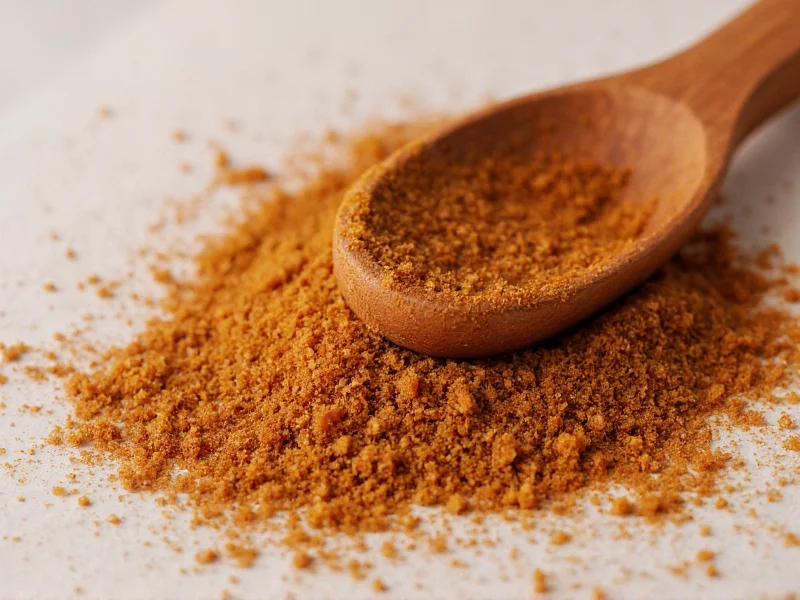
Understanding this popular flavor enhancer begins with recognizing its fundamental composition. Unlike regular brown sugar, which contains only molasses and sugar crystals, spicy brown sugar incorporates carefully measured spices that complement rather than overwhelm the base sweetness. The most common additions include cinnamon for warmth, cayenne for gentle heat, and sometimes ginger or allspice for complexity.
Historical Context: Evolution of Spiced Sugar Blends
The combination of sugar and spice has evolved significantly over centuries, with modern spicy brown sugar emerging as a distinct culinary trend. Understanding this progression helps appreciate its current versatility and regional variations.
| Era | Development | Historical Context |
|---|---|---|
| 16th-18th Century | Molasses becomes integral to American colonial cooking | As documented by the National Park Service, molasses was a staple sweetener in early America, often combined with available spices like cinnamon and ginger for preservation and flavor (NPS Sugar Production History). |
| 19th Century | Brown sugar standardization; spice blends in baking | Fannie Farmer's influential 1896 cookbook featured molasses-based recipes with warming spices, though without heat elements like cayenne. Original recipes are preserved in the Internet Archive (Boston Cooking-School Cook Book). |
| 1980s-Present | Rise of spicy brown sugar in Southwestern cuisine | Chefs in Texas and New Mexico pioneered the use of chipotle and cayenne with brown sugar, documented in regional culinary histories like the Handbook of Texas (Texas Cuisine Evolution). |
Flavor Profile and Culinary Science
The magic of spicy brown sugar lies in its dual functionality. The sugar component undergoes caramelization when heated, creating complex flavor compounds that pair exceptionally well with spicy elements. This Maillard reaction produces nutty, toasty notes that elevate everything from grilled proteins to baked goods. Professional chefs appreciate how the sugar's moisture content helps spices adhere to foods while preventing burning during cooking.
Standard Spice Ratios for Homemade Blends
| Spice Combination | Brown Sugar | Spice Ratio | Best Applications |
|---|---|---|---|
| Classic Sweet Heat | 1 cup | 2 tsp cayenne, 1 tsp cinnamon | Grilled meats, roasted vegetables |
| Warming Spice Blend | 1 cup | 1 tbsp cinnamon, 1 tsp ginger, 1/2 tsp cloves | Baking, oatmeal, coffee rubs |
| Smoky Chipotle Mix | 1 cup | 1 tbsp chipotle powder, 1 tsp cumin | Barbecue rubs, chili, sweet potato dishes |
Practical Applications in Everyday Cooking
Home cooks increasingly incorporate spicy brown sugar into weekly meal planning due to its versatility. For breakfast applications, a light sprinkle transforms plain yogurt or oatmeal. When preparing proteins, the sugar's caramelization properties create exceptional crusts on grilled chicken or salmon. Vegetables like roasted carrots, sweet potatoes, or Brussels sprouts develop remarkable depth with just a tablespoon of this blend.
Baking applications extend beyond traditional desserts. Incorporate two tablespoons into chocolate chip cookie dough for sophisticated complexity, or dust over freshly baked biscuits for an elevated breakfast treat. Cocktail enthusiasts appreciate its role in creating balanced sweet-heat syrups for craft beverages. This versatility aligns with growing consumer interest: 49% of Americans express interest in sweet and spicy flavor combinations, according to the International Food Information Council's 2022 survey (IFIC Survey).
Creating Your Own Custom Blend
Producing homemade spicy brown sugar requires only three steps and common pantry items. First, measure one cup of packed light brown sugar into a medium bowl. Second, gradually incorporate your chosen spices while breaking up any clumps with a fork. Third, transfer to an airtight container and allow flavors to meld for at least two hours before use.
For optimal results when making spicy brown sugar at home, always use fresh spices as their potency diminishes over time. Store your finished blend in a cool, dark place where it will maintain quality for up to three months. When scaling recipes, remember that darker brown sugar contains more molasses, which affects both moisture content and flavor intensity.
Substitution Strategies and Recipe Adaptation
When substituting spicy brown sugar in existing recipes, consider both the sugar and spice components. For every tablespoon of spicy brown sugar called for, use one tablespoon regular brown sugar plus 1/8 teaspoon of your chosen spice blend. This approach maintains the proper moisture balance while introducing heat gradually.
Chef-tested applications reveal particularly successful pairings. Try mixing two tablespoons with melted butter for a glaze on ham or pork loin. Combine with soy sauce and garlic for an Asian-inspired marinade. For dessert applications, fold into cream cheese frosting for carrot cake or spice cupcakes to create sophisticated flavor layers.
Contextual Limitations: When to Avoid Spicy Brown Sugar
While exceptionally versatile, spicy brown sugar has specific limitations that affect its performance:
- Delicate Desserts: Avoid in light-flavored applications like lemon meringue or vanilla bean custard. The University of Nebraska-Lincoln Extension cautions that "heat elements can overwhelm subtle dessert profiles when not carefully balanced" (Flavorful Preservation Guide, p.4).
- High-Heat Cooking: Not recommended for direct grilling above 400°F (204°C) as sugar content may burn before proteins cook through. The USDA Food Safety and Inspection Service advises using sugar-based rubs only with indirect heat methods (Grilling Safety Guidelines).
Storage and Shelf Life Considerations
Proper storage ensures your spicy brown sugar maintains optimal texture and flavor. Always use an airtight container to prevent moisture absorption, which causes clumping. Adding a silica packet extends shelf life by absorbing ambient humidity. Unlike commercial blends that may contain anti-caking agents, homemade versions benefit from occasional fluffing with a fork if stored for more than a month.
When properly stored, homemade spicy brown sugar remains usable for three months at room temperature. For extended preservation up to six months, refrigeration is recommended. Before using refrigerated blends, allow them to reach room temperature and break up any settled clumps for even distribution in recipes.
Recipe Inspiration for Immediate Use
Transform ordinary weeknight dinners with these practical applications. Toss roasted butternut squash with olive oil, one tablespoon spicy brown sugar, and salt before roasting at 400°F for 25 minutes. Create a quick glaze for chicken wings by combining 1/4 cup spicy brown sugar with 2 tablespoons soy sauce and one tablespoon rice vinegar, then simmering until thickened.
Baking enthusiasts will appreciate how this blend elevates simple recipes. Add two tablespoons to apple pie filling for complex warmth, or mix into streusel topping for coffee cake. The sugar's moisture content produces exceptionally tender muffins when substituted for regular brown sugar in cornbread or zucchini bread recipes.




 浙公网安备
33010002000092号
浙公网安备
33010002000092号 浙B2-20120091-4