
The Evolution of Extreme Heat: A Spicy Timeline
Understanding which pepper holds the "world's spiciest" title requires examining how this record has evolved. The quest for extreme heat has accelerated dramatically since the early 2000s, with new cultivars regularly pushing boundaries. Unlike early heat records that relied on subjective human testing, modern verification uses precise High-Performance Liquid Chromatography (HPLC) technology at accredited laboratories.
| Pepper Variety | Year Verified | Scoville Heat Units | Creator/Origin |
|---|---|---|---|
| Pepper X | 2023 | 2,693,000 SHU | Ed Currie (PuckerButt) |
| Carolina Reaper | 2017 | 1,641,183 SHU | Ed Currie (PuckerButt) |
| Trinidad Moruga Scorpion | 2012 | 2,009,231 SHU | Natural variety (Trinidad) |
| Naga Viper | 2010 | 1,382,118 SHU | Gerald Fowler (UK) |
| Bhut Jolokia (Ghost Pepper) | 2007 | 1,041,427 SHU | Assam, India |
This progression reveals an important context boundary: direct comparisons between older and newer peppers can be misleading. Early measurements used the Scoville Organoleptic Test, where human testers diluted pepper extract until heat was no longer detectable. Modern HPLC testing at facilities like Winthrop University's laboratory (the official Guinness World Records verification partner) provides precise capsaicinoid measurements, making current records more scientifically reliable than historical claims.
Pepper X: Anatomy of an Extreme Chili
Pepper X isn't just about raw heat—it represents years of selective breeding by Ed Currie, founder of PuckerButt Pepper Company. Unlike the Carolina Reaper's distinctive skull-shaped pods, Pepper X features irregular, bumpy fruits ranging from red to dark purple when mature. The plant itself demonstrates remarkable resilience, thriving in diverse growing conditions that would challenge other super-hot varieties.
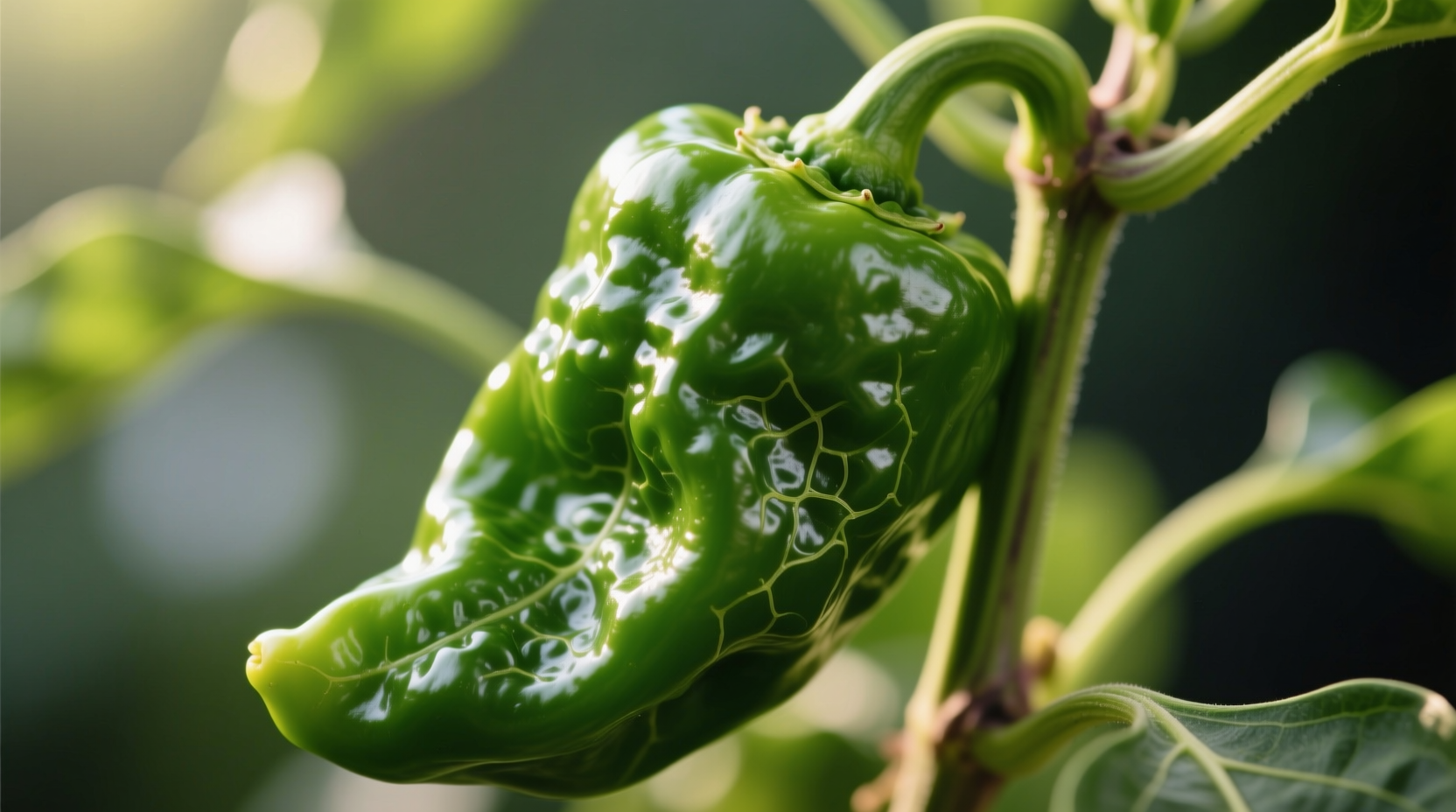
What makes Pepper X extraordinary isn't just its peak measurement, but its consistency. While many super-hots show dramatic variation in heat levels, Pepper X maintains extreme potency across multiple harvests and growing environments. This reliability was crucial for Guinness verification, which requires multiple samples demonstrating consistent heat levels.
Understanding Capsaicin Measurement: Beyond the Headlines
When discussing the spiciest pepper in the world, it's essential to understand how heat is measured. The Scoville scale, developed by pharmacist Wilbur Scoville in 1912, originally measured heat through human taste panels. Today, High-Performance Liquid Chromatography (HPLC) provides objective measurement of capsaicinoids—the compounds responsible for heat.
According to research published by the USDA Agricultural Research Service, "HPLC analysis separates and quantifies individual capsaicinoids, providing a more accurate and consistent measurement than sensory testing." This scientific approach explains why modern records are more reliable than historical claims about peppers like the Dragon's Breath or Komodo Dragon chili, which lack proper laboratory verification.
Important context: Scoville ratings represent the maximum potential heat under ideal growing conditions. Actual heat levels vary based on soil, climate, and cultivation practices. A Pepper X grown in optimal conditions might reach 2.7 million SHU, while the same variety in less ideal conditions might measure closer to 1.8 million SHU.
Safety First: Handling the World's Hottest Pepper
Working with Pepper X requires serious precautions that go beyond standard kitchen safety. The Consumer Product Safety Commission recommends:
- Always wear nitrile gloves (latex won't protect against capsaicin)
- Use safety goggles to prevent accidental eye contact
- Work in well-ventilated areas to avoid inhaling capsaicin particles
- Have dairy products (milk, yogurt) immediately available for accidental exposure
If you experience severe burning, the American Association of Poison Control Centers advises against using water, which spreads capsaicin. Instead, apply milk or yogurt to affected areas. For eye exposure, rinse with saline solution for 15 minutes and seek medical attention if irritation persists.
Practical Uses for Extreme Heat
Despite its intimidating heat level, Pepper X has legitimate culinary applications when used properly. Professional chefs and sauce makers use it in minute quantities to add complex heat without overwhelming other flavors. Unlike some super-hots that deliver one-dimensional burn, Pepper X offers subtle fruity notes beneath its intense heat—a characteristic that earned it praise from chili connoisseurs.
For home cooks interested in experimenting with extreme heat, consider these practical approaches:
- Start with pre-made sauces containing diluted Pepper X rather than handling the raw pepper
- Use specialized tools like micro-graters for precise measurement
- Always add heat gradually—remember that a single seed can transform an entire dish
- Pair with cooling ingredients like coconut milk or avocado to balance the heat
Remember that the goal of using super-hot peppers isn't just to create painful experiences, but to add complex flavor dimensions that enhance your cooking.
Frequently Asked Questions
How much hotter is Pepper X compared to a jalapeño?
Pepper X measures approximately 2,693,000 Scoville Heat Units, while jalapeños typically range from 2,500-8,000 SHU. This means Pepper X is roughly 337-1,077 times hotter than a jalapeño. To put this in perspective, you'd need to eat over three hundred jalapeños to equal the heat of just one Pepper X.
Can you buy Pepper X seeds for home gardening?
Yes, but with important caveats. PuckerButt Pepper Company sells limited quantities of Pepper X seeds directly to consumers. However, growing Pepper X requires specific conditions—it needs 90-100 days to mature, consistent temperatures between 70-90°F, and well-draining soil. Most home gardeners find they produce peppers significantly milder than the record-breaking specimens due to less controlled growing conditions.
What happens if you eat a whole Pepper X?
Consuming an entire Pepper X would likely cause severe physical reactions including intense burning pain, nausea, vomiting, and potentially temporary breathing difficulties. Medical professionals warn against attempting this, as extreme capsaicin exposure can trigger esophageal spasms and other serious reactions. The proper way to experience Pepper X is through professionally formulated sauces where the heat is carefully diluted and balanced with other flavors.
How long does the heat from Pepper X last?
The initial intense burning sensation from Pepper X typically lasts 15-45 minutes, but residual effects can persist for several hours. Unlike milder peppers where the heat fades quickly, Pepper X's high concentration of capsaicinoids binds strongly to pain receptors, creating prolonged sensation. Consuming dairy products like milk or yogurt provides temporary relief by breaking the bond between capsaicin and receptors, but the effects will return as the dairy is digested.




 浙公网安备
33010002000092号
浙公网安备
33010002000092号 浙B2-20120091-4