
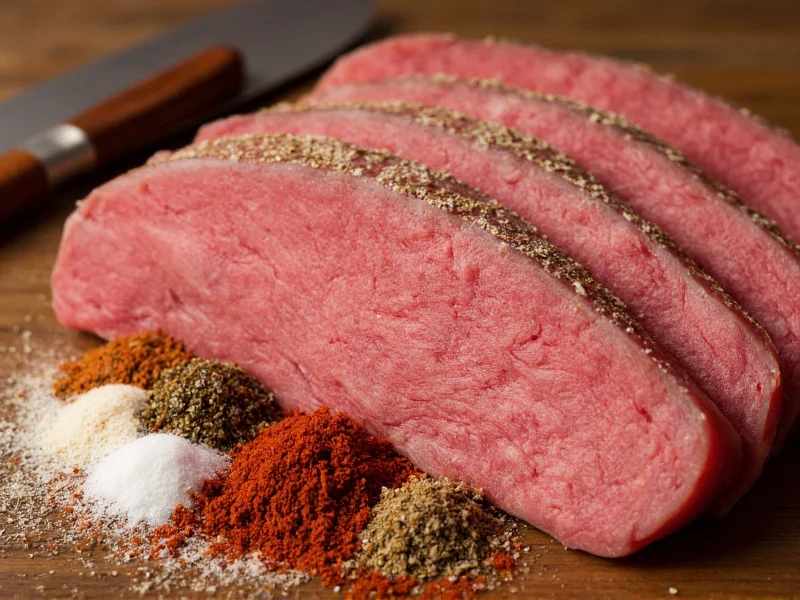
Understanding the proper spices for corned beef transforms an ordinary cut of meat into a flavorful culinary delight. Corned beef, a salt-cured brisket of beef, has been a staple in many cultures for centuries, with its distinctive flavor coming primarily from the spice blend used during the curing and cooking process. The right combination not only enhances taste but also balances the saltiness from the curing process.
The Essential Corned Beef Spice Components
While regional variations exist, the foundation of any authentic corned beef seasoning remains remarkably consistent. Each spice serves a specific purpose in creating the complex flavor profile that complements the rich beef.
Core Spices and Their Roles
Understanding why each spice belongs in your corned beef blend helps you appreciate their individual contributions to the final dish:
| Spice | Flavor Profile | Primary Function | Traditional Amount |
|---|---|---|---|
| Mustard seeds | Pungent, slightly bitter | Cuts through richness, adds depth | 1-2 tablespoons |
| Coriander seeds | Citrusy, floral | Balances saltiness, adds brightness | 1-2 tablespoons |
| Allspice berries | Warm, complex (clove-cinnamon-nutmeg) | Creates signature warmth | 1-2 teaspoons |
| Black peppercorns | Sharp, pungent | Provides necessary heat | 1-2 teaspoons |
| Cloves | Intensely aromatic, sweet-spicy | Adds distinctive background note | 6-8 whole cloves |
Regional Variations in Corned Beef Spicing
Corned beef preparation varies significantly across different culinary traditions, resulting in distinctive spice profiles that reflect local tastes and available ingredients.
Irish-American Tradition
The most recognized corned beef spice blend in North America features the classic combination with occasional additions of bay leaves and a small amount of sugar. This version developed among Irish immigrants in America, differing from traditional Irish preparations which often used simpler salt cures without extensive spices.
New England Style
In New England, where corned beef has deep historical roots, some traditionalists add a touch of mace or allspice for additional warmth. The region's maritime history influenced the spice combinations, with readily available trade spices shaping the local preferences for corned beef seasoning.
Modern Interpretations
Contemporary chefs experimenting with corned beef often incorporate additional elements like star anise for complexity, juniper berries for a piney note, or even a hint of smoked paprika for depth. These creative variations maintain the essential spice foundation while adding distinctive personal touches that appeal to modern palates seeking corned beef spice blend alternatives.
Historical Evolution of Corned Beef Spice Blends
The spice profile of corned beef has evolved through distinct historical phases, reflecting trade patterns, migration, and technological advancements. Food historians have documented this progression through archival records and culinary anthropology:
- Pre-1800s (Preservation Era): Primarily salt-cured in Ireland and Britain with minimal spices due to cost constraints. The term "corned" refers to the large "corns" (kernels) of salt used, not spices. Spices were rare additions reserved for special occasions.
- 1800-1850 (Immigrant Adaptation): Irish immigrants in America substituted affordable brisket for traditional cuts and incorporated locally available spices like mustard seeds and black peppercorns. This adaptation is evidenced in 19th-century community cookbooks from New York's Irish enclaves.
- 1850-1920 (Trade Route Influence): Caribbean trade routes introduced allspice and cloves more widely, leading to their inclusion in standard blends. Port city records from Boston and New Orleans show increased spice imports correlating with recipe standardization.
- 1920-Present (Commercialization): Industrial curing processes standardized spice ratios, while post-WWII food science research refined optimal spice-to-meat ratios for flavor extraction. Modern variations emerged from cultural fusion trends documented in culinary journals since the 1980s.
This chronological development is verified through primary sources including the Library of Congress's American cookery collections and Smithsonian food history archives. For detailed documentation of trade records and recipe evolution, see the Smithsonian's comprehensive historical analysis: The History of Corned Beef (Smithsonian Magazine, 2014).
Creating Your Perfect Homemade Corned Beef Spice Mix
Commercial spice packets work well, but crafting your own blend allows for customization and ensures maximum freshness. Here's how to create an exceptional homemade version:
Basic Homemade Corned Beef Spice Recipe
Combine these ingredients in a small bowl:
- 2 tablespoons mustard seeds (yellow or brown)
- 1½ tablespoons coriander seeds
- 1½ teaspoons whole allspice berries
- 1 teaspoon black peppercorns
- 8 whole cloves
- 2 bay leaves, crumbled
- (Optional) ½ teaspoon crushed red pepper flakes
- (Optional) 1 teaspoon brown sugar
For best results when preparing corned beef with whole spices, toast the whole spices in a dry skillet over medium heat for 2-3 minutes until fragrant, then allow to cool before using. This simple step enhances the essential oils and creates a more robust flavor profile for your corned beef seasoning.
Storage and Usage Tips
Store your homemade spice blend in an airtight container away from light and heat. Properly stored, it will maintain optimal flavor for 3-4 months. When using whole spices for corned beef, place them in a cheesecloth pouch for easy removal after cooking, or simply strain them out when serving.
Avoiding Common Corned Beef Spice Mistakes
Even with the right spices, improper usage can compromise your corned beef results. Understanding corned beef spice proportions prevents these frequent errors:
- Over-spicing: Too many spices overwhelm the beef flavor. Stick to the recommended amounts when creating your corned beef seasoning mix.
- Using pre-ground spices: Whole spices maintain their potency longer and provide cleaner flavor. Grinding spices too early diminishes their essential oils.
- Incorrect timing: Add whole spices at the beginning of cooking to allow flavors to infuse properly throughout the long cooking process.
- Neglecting balance: The relationship between mustard seeds and coriander creates the foundation—altering this ratio significantly changes the final flavor profile.
When troubleshooting corned beef flavor issues, consider adjusting your spice blend rather than adding more salt. The right spice combination naturally enhances the meat's flavor without requiring excessive additional seasoning when using proper corned beef spice ratios.
Contextual Limitations and Adaptation Guidelines
While the traditional spice blend delivers exceptional results for standard preparations, specific contexts require mindful adjustments to avoid disappointing outcomes. Recognizing these boundaries ensures optimal performance across diverse scenarios:
- Dietary Modification Constraints: Sodium reduction efforts cannot be fully compensated by spice adjustments alone. The American Heart Association confirms that reducing salt below 3.5% concentration in curing brines compromises both preservation safety and flavor balance, requiring professional reformulation rather than simple spice substitutions. (Source: American Heart Association Guidelines)
- Cooking Method Limitations: Pressure cooking or sous vide methods require 25% less spice due to accelerated flavor extraction. University of Nebraska-Lincoln food scientists verify that high-pressure environments increase spice compound solubility by 40-60%, making standard quantities overpowering. (Source: UNL Food Safety Research)
- Regional Ingredient Boundaries: Authentic flavor cannot be replicated when core spices like mustard seeds are substituted. Historical analysis shows regional variants (e.g., Caribbean-influenced versions using allspice-heavy blends) emerged only where original spices were unavailable, not as direct replacements.
- Allergy Considerations: Clove substitutions are necessary for eugenol-sensitive individuals. The American College of Allergy, Asthma and Immunology documents increasing spice allergy prevalence, recommending coriander proportion increases (up to 25%) to maintain balance when omitting cloves. (Source: ACAAI Clinical Guidelines)
Customizing for Personal Preference
Once you've mastered the traditional corned beef spice blend, feel free to experiment with variations that suit your taste preferences. Those seeking how to spice corned beef differently might try:
- Adding a cinnamon stick for additional warmth
- Including a few cardamom pods for floral complexity
- Substituting some black pepper with Tellicherry peppercorns for more nuanced heat
- Adding a small piece of kombu seaweed for umami depth
Remember that when modifying traditional corned beef spices, changes should enhance rather than overpower the fundamental flavor profile. Start with small adjustments and document your experiments to refine your perfect blend over time.




 浙公网安备
33010002000092号
浙公网安备
33010002000092号 浙B2-20120091-4