
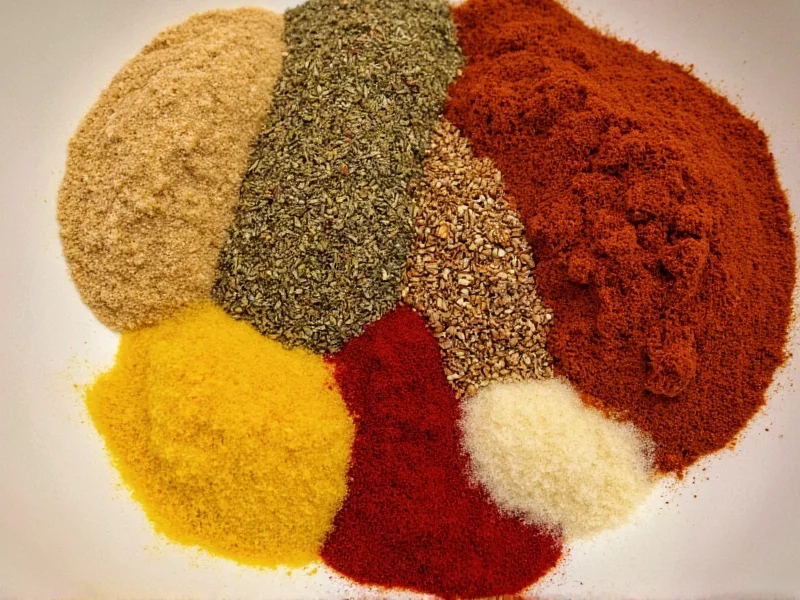
Creating exceptional pasta sauce relies on thoughtful spice selection and technique. While tomatoes form the foundation, the right spices transform simple ingredients into restaurant-quality results. Understanding which spices complement tomato's natural acidity and sweetness separates adequate sauces from extraordinary ones. This guide details not just what spices to use, but when and how much for balanced flavor development.
Core Spices for Authentic Pasta Sauce
Traditional Italian pasta sauces rely on a handful of essential spices that have been used for generations. These foundational ingredients create the familiar flavor profile most associate with classic marinara or pomodoro sauces.
Dried Oregano: The Mediterranean Anchor
Dried oregano provides earthy, slightly bitter notes that balance tomato acidity. Unlike many herbs, oregano's flavor compounds are fat-soluble and release best when cooked. Add 1-1.5 teaspoons of dried oregano per quart of sauce during the initial sauté stage with onions and garlic. This allows its essential oils to bloom in the olive oil, creating flavor compounds that raw addition can't achieve. Mediterranean oregano (Origanum vulgare) works better than Mexican varieties for traditional Italian sauces.
Fresh Basil: The Finishing Touch
While dried basil loses its delicate flavor during cooking, fresh basil added at the end provides bright, sweet notes. Tear rather than chop leaves to prevent bruising. Add 5-6 whole leaves per quart of sauce during the last two minutes of cooking. For deeper flavor integration without bitterness, some chefs create a basil oil by steeping leaves in warm olive oil for 15 minutes, then straining before adding to sauce.
| Spice | Amount per 24oz Sauce | When to Add | Flavor Contribution |
|---|---|---|---|
| Dried Oregano | 1-1.5 tsp | With aromatics | Earthy, balances acidity |
| Fresh Basil | 5-6 leaves | Last 2 minutes | Sweet, bright finish |
| Garlic | 2-3 cloves | With aromatics | Pungent depth |
| Red Pepper Flakes | 1/4-1/2 tsp | With aromatics | Subtle heat |
| Fennel Seed | 1/2 tsp | With aromatics | Savory sausage note |
Flavor Enhancers: Beyond the Basics
Certain spices elevate basic tomato sauce to something extraordinary when used judiciously. These spices to enhance store-bought pasta sauce work particularly well with commercial products that often lack complexity.
Red Pepper Flakes: Controlled Heat
Crushed red pepper adds dimension without overwhelming heat when used properly. The capsaicin in peppers binds with fat, so adding flakes early in cooking with olive oil creates a subtle warmth throughout the sauce rather than sharp heat. Start with 1/4 teaspoon per quart and adjust after 20 minutes of simmering. Never add red pepper flakes directly to finished sauce—they'll create uneven, intense heat pockets.
Fennel Seed: The Secret Ingredient
Often associated with Italian sausage, fennel seed (0.5 teaspoon per quart) adds a savory-sweet note that complements tomatoes beautifully. Lightly toast whole seeds in a dry pan before crushing to release essential oils. This technique works especially well for spices to add to meat-based pasta sauce, creating depth without meat.
Timing Matters: When to Add Spices
The sequence of spice addition dramatically affects final flavor. Understanding when to add spices to simmering sauce separates amateur from expert results:
- Early addition (with aromatics): Dried herbs, toasted seeds, and red pepper flakes. These need time to release compounds into the oil base
- Middle addition (after tomatoes): Bay leaves and hardy spices that benefit from moderate cooking time
- Late addition (final 5 minutes): Fresh herbs, delicate spices, and acid components like wine
Adding dried oregano too late results in grassy, one-dimensional flavor. Conversely, fresh basil cooked too long turns bitter. This timing knowledge proves crucial for how to season pasta sauce properly regardless of your recipe.
Avoiding Common Spice Mistakes
Even with the right spices, improper technique ruins many sauces. Watch for these pitfalls:
Overpowering the Tomato
Tomatoes should remain the star. Using more than 2 teaspoons of dried herbs per quart overwhelms the natural flavor. If your sauce tastes "herby" rather than "tomato with herbs," you've crossed this line. Remember that best dried herbs for tomato sauce enhance, not replace, the primary ingredient.
Garlic Burnt to Bitterness
Garlic added to hot oil without other ingredients burns quickly, creating acrid flavors. Always add garlic after onions have softened, and never let it brown excessively. Two to three cloves per quart provides sufficient garlic presence without dominating.
Contextual Boundaries: When Spices Don't Belong
Authentic Italian cooking respects regional traditions and ingredient harmony. Certain spices disrupt traditional sauces when used outside their intended contexts:
- Oregano in Northern sauces: Omitted in Genovese or Bolognese sauces per Slow Food Foundation documentation of regional authenticity
- Red pepper flakes with seafood: Creates flavor conflict in frutti di mare sauces as heat competes with delicate briny notes
- Fennel seed in vegetarian sauces: Its sausage-like note causes dissonance without meat components
These contextual boundaries preserve dish integrity. The Slow Food Foundation's culinary guidelines confirm these regional constraints (Slow Food Edible Education).
Regional Variations: Authentic Italian Approaches
Italian regional differences inform traditional Italian pasta sauce seasonings. Understanding these helps match spices to specific pasta types:
- Southern Italy: Bolder oregano presence, often with extra red pepper
- Central Italy: Balanced basil-oregano ratio, minimal heat
- Northern Italy: More subtle herb use, sometimes with carrot for sweetness
When determining how much oregano to put in pasta sauce, consider your dish's regional inspiration. Southern-style sauces might use 1.5 teaspoons dried oregano per quart, while northern versions might use just 0.5 teaspoon with increased basil.
Historical Context: Evolution of Spice Use
The spices in modern Italian pasta sauce reflect centuries of culinary adaptation. Tomatoes arrived in Italy from the Americas in the 16th century but weren't widely adopted until the 18th century due to initial skepticism. Early recipes used only garlic and fresh basil, with dried oregano becoming prevalent in Southern Italy during the 19th century as canned tomatoes gained popularity. This historical progression explains contemporary regional variations:
- 16th-17th Century: Tomatoes considered ornamental; rare culinary use
- 18th Century: First documented tomato sauces in Southern Italy; garlic and fresh basil only
- 19th Century: Dried oregano adoption accelerates with industrial tomato canning
- 20th Century: Global migration standardizes "Italian" spice profiles, often exaggerating Southern elements
These documented phases clarify why certain spice combinations feel authentic. The Italian Ministry of Tourism verifies this timeline through historical recipe archives (Official Tourism Portal).
Storing Spices for Maximum Potency
Spice freshness dramatically impacts sauce quality. Dried herbs lose 50% of volatile compounds within six months of opening. Store spices in airtight containers away from light and heat. Test dried oregano by rubbing between fingers—if it doesn't release strong aroma, replace it. Proper storage ensures your spices to enhance store-bought pasta sauce actually deliver promised flavor.




 浙公网安备
33010002000092号
浙公网安备
33010002000092号 浙B2-20120091-4