
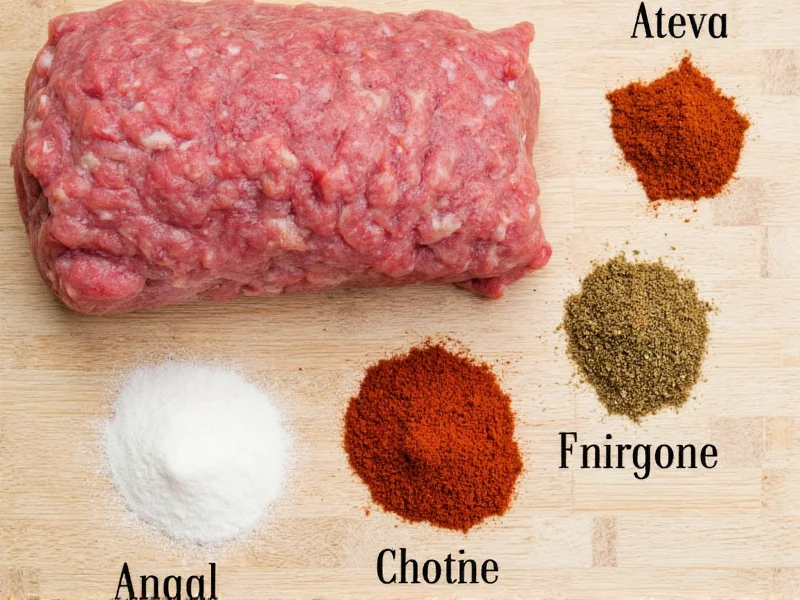
The essential spices for meatloaf include black pepper, garlic powder, onion powder, paprika, and dried thyme. For a standard 2-pound meatloaf, use 1 teaspoon black pepper, 1 teaspoon garlic powder, 1 teaspoon onion powder, 1½ teaspoons paprika, and ½ teaspoon dried thyme. Worcestershire sauce and mustard powder are also highly recommended for depth of flavor. These spices create a balanced seasoning profile that enhances the meat without overpowering it.
Meatloaf is a beloved comfort food, but its success hinges on proper seasoning. Many home cooks struggle with bland or unbalanced flavors simply because they don't use the right spices in the correct proportions. Understanding which spices complement ground meat and how they interact creates a meatloaf that's flavorful through and through, not just on the surface.
Why Spices Matter in Meatloaf
Unlike grilled meats where seasonings primarily affect the exterior, meatloaf requires spices distributed throughout the mixture. The dense structure means flavors must be incorporated evenly during preparation. Proper seasoning balances the richness of the meat while adding complexity that transforms this humble dish into something special.
Essential Spices for Perfect Meatloaf
Certain spices have become classics for meatloaf because they complement beef's natural flavors without competing with them. Here's why each essential spice works:
Black Pepper
Freshly ground black pepper provides a subtle heat and complexity that enhances meat's natural umami. Unlike pre-ground pepper, freshly cracked delivers more volatile aromatic compounds that penetrate the meat mixture effectively.
Garlic Powder
Garlic powder distributes more evenly than fresh garlic in meatloaf, preventing bitter hot spots while delivering consistent savory flavor. It dissolves into the meat mixture rather than creating concentrated pockets.
Onion Powder
Like garlic powder, onion powder integrates seamlessly throughout the meat mixture. It provides sweet, savory depth without the textural disruption of fresh onions, though many recipes combine both for layered flavor.
Paprika
Sweet paprika adds color and a subtle fruitiness that balances meatloaf's richness. For deeper flavor, use smoked paprika in moderation (replace half the sweet paprika), but avoid hot paprika which can overwhelm other flavors.
Dried Thyme
Thyme's earthy, slightly floral notes complement beef beautifully. Dried thyme works better than fresh in meatloaf as its concentrated flavor withstands baking without diminishing.
Supporting Cast: Additional Flavor Enhancers
Beyond the core spices, these ingredients elevate meatloaf from good to exceptional:
Worcestershire Sauce
Two tablespoons of Worcestershire sauce adds umami depth and subtle tang. Its fermented profile enhances meat flavors without making the dish taste 'sauvy.'
Mustard Powder
Just ¼ teaspoon of mustard powder brightens the flavor profile without making the meatloaf taste mustardy. It helps cut through richness and balances other spices.
Allspice
A pinch (1/8 teaspoon) of allspice adds warmth and complexity, particularly in traditional recipes. It shouldn't be detectable as a distinct flavor but rather as part of the seasoning background.
| Meat Quantity | Black Pepper | Garlic Powder | Onion Powder | Paprika | Dried Thyme |
|---|---|---|---|---|---|
| 1.5 lbs | ¾ tsp | ¾ tsp | ¾ tsp | 1 tsp | 3/8 tsp |
| 2 lbs | 1 tsp | 1 tsp | 1 tsp | 1½ tsp | ½ tsp |
| 2.5 lbs | 1¼ tsp | 1¼ tsp | 1¼ tsp | 1¾ tsp | 5/8 tsp |
| 3 lbs | 1½ tsp | 1½ tsp | 1½ tsp | 2¼ tsp | ¾ tsp |
Flavor Variations for Different Preferences
While the classic spice blend works for most palates, these variations cater to specific flavor preferences without compromising the meatloaf's integrity:
Classic American Meatloaf Spices
Stick with the essential blend but increase paprika to 2 teaspoons for a slightly sweeter profile. Add 1 tablespoon ketchup to the mixture for traditional flavor. This combination of spices for traditional meatloaf delivers the nostalgic taste many associate with family dinners.
Bold & Spicy Variation
For those who enjoy heat, replace 1 teaspoon of paprika with chipotle powder and add ¼ teaspoon cayenne. Include 1 finely minced jalapeño (seeds removed) for fresh heat that complements rather than overwhelms. This spicy meatloaf seasoning creates depth without making the dish uncomfortably hot.
Herb-Forward Variation
Double the thyme to 1 teaspoon and add 1 teaspoon dried rosemary (crushed) and 1 teaspoon dried sage. Reduce paprika to 1 teaspoon. This herb meatloaf spice blend works particularly well with turkey or chicken meatloaf but also complements beef beautifully.
Smoky Variation
Use equal parts sweet and smoked paprika (totaling 1½ teaspoons) and add ¼ teaspoon liquid smoke. Include 1 teaspoon of finely minced chipotle in adobo sauce for authentic smokiness. This smoky meatloaf seasoning profile mimics flavors from barbecue without requiring special equipment.
Proper Technique for Seasoning Meatloaf
How you incorporate spices matters as much as which spices you use:
Mixing Method
Combine dry spices in a small bowl first to ensure even distribution before adding to meat. This prevents clumping and ensures consistent flavor throughout. Never add spices directly to meat without pre-mixing.
Seasoning Test
Before forming your loaf, cook a small patty of the seasoned mixture in a skillet. This allows you to adjust seasoning while there's still time to correct imbalances. Perfecting meatloaf seasoning before baking prevents disappointing results.
Layering Flavors
Add half your spices to the meat mixture and reserve the other half for the glaze. This creates flavor dimension—deep seasoning within and pronounced top notes. The best meatloaf spice combinations work on multiple levels.
Avoiding Common Seasoning Mistakes
Even with the right spices, these errors can ruin your meatloaf:
- Over-seasoning - More isn't better; excess spices create harsh, unbalanced flavors
- Using old spices - Stale spices lack potency and can impart bitter notes
- Uneven distribution - Skipping the pre-mixing step creates flavor pockets
- Ignoring acidity - A splash of vinegar or lemon juice in the glaze balances richness
Storing and Using Spice Blends
Create a meatloaf-specific spice blend by combining your preferred proportions in a small jar. Store in a cool, dark place for up to 3 months. This meatloaf seasoning mix ensures consistent results and simplifies preparation. For optimal flavor, grind whole spices yourself and blend just before use.
Conclusion
The perfect meatloaf spice combination balances tradition with personal preference. Start with the foundational blend of black pepper, garlic powder, onion powder, paprika, and thyme, then adjust according to your taste preferences. Remember that proper technique—especially pre-mixing spices and testing seasoning—matters as much as the ingredients themselves. With these guidelines for meatloaf spices, you'll consistently create flavorful, well-seasoned meatloaf that satisfies even discerning palates.
Frequently Asked Questions
Can I use fresh herbs instead of dried in meatloaf?
Yes, but use three times the amount of fresh herbs compared to dried. For example, where a recipe calls for 1 teaspoon dried thyme, use 1 tablespoon fresh thyme. Chop fresh herbs finely and add them toward the end of mixing to preserve their flavor.
How far in advance can I prepare seasoned meatloaf mixture?
You can prepare the seasoned meat mixture up to 24 hours in advance. Store it covered in the refrigerator, but note that flavors will intensify over time. If making ahead, slightly reduce initial seasoning amounts to account for this development.
Why does my meatloaf taste bland even with spices?
Bland meatloaf typically results from insufficient seasoning or uneven spice distribution. Always pre-mix dry spices before adding to meat, and remember that ground meat needs more seasoning than you might expect. Conduct a seasoning test by frying a small patty before baking the entire loaf.
What's the difference between using garlic powder and fresh garlic in meatloaf?
Garlic powder distributes more evenly throughout the meat mixture without creating bitter hot spots that fresh garlic can cause. Powdered garlic also has a more consistent flavor profile. For best results, use a combination of both: 1 teaspoon garlic powder plus 1-2 minced fresh garlic cloves per 2 pounds of meat.
Can I substitute spices if I don't have everything listed?
Yes, but maintain the flavor profile balance. If missing thyme, use oregano. Without paprika, use a pinch of cumin for depth. The essential trio is garlic, onion, and black pepper—these form the foundation that other spices build upon. For a quick substitute blend, use 1 teaspoon each of garlic powder, onion powder, and black pepper per 2 pounds of meat.




 浙公网安备
33010002000092号
浙公网安备
33010002000092号 浙B2-20120091-4