
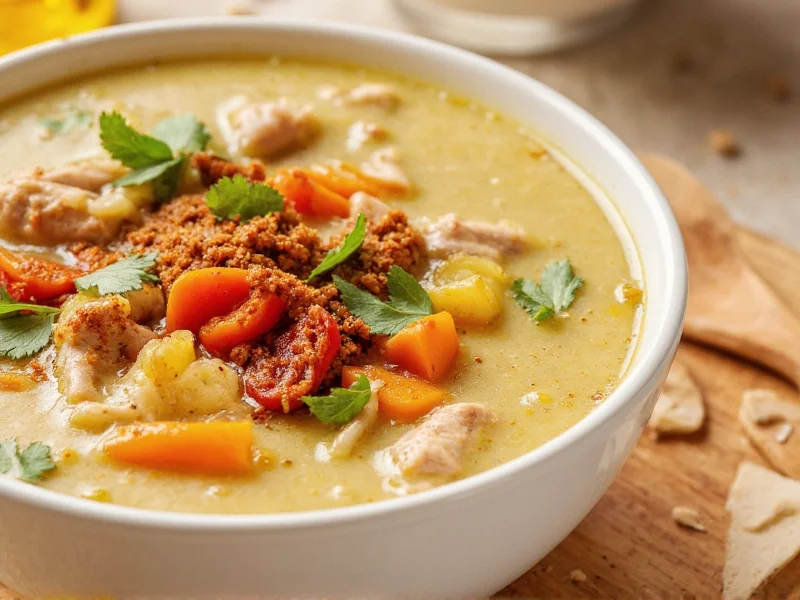
Chicken soup's comforting warmth comes alive with the right spice combinations. While recipes vary across cultures, certain spices consistently enhance this classic dish without overpowering the delicate chicken flavor. Understanding when and how much to use transforms a basic broth into a complex, satisfying meal that warms from within.
Essential Spices for Perfect Chicken Soup
Creating exceptional chicken soup relies on balancing foundational spices with complementary flavors. The following spices form the backbone of most traditional recipes while allowing for creative variations:
Black Pepper
Freshly cracked black pepper adds subtle heat and complexity. Add whole peppercorns early in cooking for a mellow background note, then finish with freshly cracked pepper for brightness. For best spices for homemade chicken soup, never skip this essential ingredient.
Thyme
This versatile herb complements chicken beautifully. Use fresh sprigs tied together for easy removal, or dried thyme added midway through cooking. Thyme's earthy notes enhance the broth's depth without dominating. When considering what spices go well with chicken soup, thyme consistently ranks among the top choices for its balanced flavor profile.
Bay Leaves
A single dried bay leaf added at the beginning infuses the broth with subtle floral notes. Remove before serving as they become bitter when overcooked. This simple addition creates traditional spices in chicken soup recipes found in French, Mediterranean, and American cuisines.
Garlic
Minced garlic added during the last 15 minutes of cooking provides aromatic depth without harshness. For milder flavor, add whole cloves early and remove before serving. Proper garlic usage demonstrates how to season chicken soup properly without overwhelming other ingredients.
Advanced Spice Combinations
Once you've mastered the basics, experiment with these regional variations that create distinctive spice combinations for flavorful chicken broth:
| Flavor Profile | Spice Combination | Cooking Tip |
|---|---|---|
| Classic American | Thyme, rosemary, bay leaf, black pepper | Add herbs in a cheesecloth sachet for easy removal |
| Mediterranean | Oregano, lemon zest, garlic, red pepper flakes | Add lemon zest in last 5 minutes to preserve brightness |
| Asian-Inspired | Ginger, star anise, soy sauce, green onions | Simmer ginger and star anise for 20 minutes before adding chicken |
| Middle Eastern | Cumin, coriander, turmeric, cinnamon stick | Add spices to oil first to bloom flavors before adding liquid |
Timing Matters: When to Add Spices
When to add spices to chicken soup significantly impacts flavor development. Understanding this timing creates superior results:
- Early addition (first 30 minutes): Whole spices like peppercorns, bay leaves, and cinnamon sticks release flavors slowly through extended cooking
- Mid-cooking (30-60 minutes): Dried herbs and hardy spices like thyme, rosemary, and cumin benefit from moderate cooking time
- Final minutes: Delicate fresh herbs (parsley, dill, cilantro) and citrus zest should be added just before serving to preserve their bright flavors
Avoiding Common Spice Mistakes
Even experienced cooks make these errors when preparing healthy spices for immune-boosting chicken soup:
- Over-salting early: Salt concentrates as liquid evaporates. Add salt in stages, tasting before final seasoning
- Burning spices: Toasting spices in oil enhances flavor, but overheating creates bitterness
- Using stale spices: Ground spices lose potency after 6 months. Store in airtight containers away from light
- Adding all spices at once: Different spices require different cooking times to reach optimal flavor release
Dietary Considerations
Adapt your spice selection for special dietary needs while maintaining flavor complexity:
- Low-sodium diets: Increase garlic, lemon zest, and fresh herbs to compensate for reduced salt
- Anti-inflammatory focus: Turmeric with black pepper (enhances curcumin absorption) and ginger provide natural benefits
- Allergy-friendly: Replace common allergens like celery seed with fennel seed for similar flavor without risk
Final Tips for Perfectly Spiced Chicken Soup
Mastering spices chicken soup preparation requires attention to detail. Always taste your broth before serving and adjust seasoning as needed. Remember that flavors continue developing even after cooking stops, so err on the side of slightly under-seasoning. For the most aromatic results, toast whole spices briefly in a dry pan before adding to your soup. This simple technique unlocks deeper flavors that elevate your chicken soup from ordinary to extraordinary.
What is the best spice to add to chicken soup for depth of flavor?
Bay leaves provide exceptional depth when added early in cooking. A single dried bay leaf simmered for 30+ minutes creates a subtle but complex background note that enhances all other flavors without dominating the broth.
Can I use dried herbs instead of fresh in chicken soup?
Yes, but use one-third the amount of dried herbs compared to fresh. Dried thyme, rosemary, and oregano work well when added midway through cooking. Add dried herbs 20-30 minutes before serving to allow proper flavor release.
How do I fix chicken soup that's too spicy?
If your soup becomes too spicy, add acidity (lemon juice or vinegar) or sweetness (a teaspoon of honey) to balance the heat. Dairy like coconut milk or yogurt can also mellow excessive spice. Remember to add these gradually while tasting to avoid overcorrection.
Which spices in chicken soup have health benefits?
Turmeric (with black pepper for absorption), ginger, and garlic offer notable health benefits. These spices contain compounds with anti-inflammatory properties that may support immune function when consumed regularly as part of a balanced diet.
Should I add spices to the oil first when making chicken soup?
For certain spices like cumin, coriander, and turmeric, blooming them in hot oil for 30-60 seconds before adding liquid significantly enhances their flavor. This technique works particularly well for Middle Eastern and Indian-inspired chicken soup variations.




 浙公网安备
33010002000092号
浙公网安备
33010002000092号 浙B2-20120091-4