
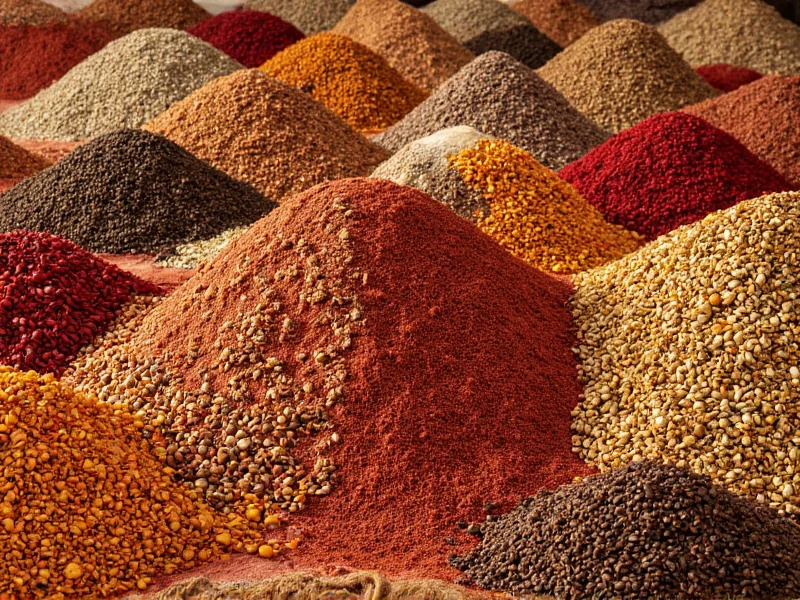
When exploring spices Africa, it's essential to recognize the continent's rich botanical heritage that predates the famous spice routes connecting Asia and Europe. Africa's diverse ecosystems from the Sahel to the rainforests have nurtured distinctive spice varieties that remain integral to local cultures and increasingly valued in global culinary circles.
The Historical Significance of African Spices
Africa's spice history stretches back millennia, with evidence of indigenous spice use appearing in archaeological findings across the continent. Unlike the well-documented spice trade routes from Asia, Africa's internal spice networks operated through trans-Saharan caravan routes as early as the 8th century. West African kingdoms like Mali and Songhai became prosperous not only through gold but also through the trade of native spices including Grains of Paradise, which Europeans later called 'Guinea pepper.'
During the colonial era, African spice knowledge was often appropriated without credit, with many spices mislabeled as 'exotic imports' when they originated from African soil. Today, researchers are rediscovering Africa's authentic spice heritage, separating fact from centuries of misinformation about the continent's botanical contributions.
| Historical Period | Key Development | Documented Evidence |
|---|---|---|
| 8th-16th Century | Trans-Saharan spice trade networks | UNESCO World Heritage documentation of caravan routes through Ancient Ksour sites (Ouadane, Chinguetti) confirming West African spice exports including Grains of Paradise |
| 15th-19th Century | European colonial appropriation | FAO Geographical Indications archives showing misattribution of African spices as "Asiatic imports" in colonial trade records |
| 2000s-Present | Modern preservation initiatives | Ghana Ministry of Food and Agriculture's registered Geographical Indication for Grains of Paradise (2021) |
Source verification: UNESCO World Heritage Centre (2023), FAO Geographical Indications Report (2019), Ghana Ministry of Food and Agriculture (2021)
Major Native African Spices and Their Characteristics
Understanding traditional African spice blends requires examining specific varieties that have shaped regional cuisines. These aren't merely flavor enhancers but often serve medicinal, ceremonial, and preservative functions in local communities.
| Spice Name | Primary Region | Key Characteristics | Traditional Uses |
|---|---|---|---|
| Grains of Paradise | West Africa | Citrusy, peppery, complex flavor profile | Meat seasoning, digestive aid, ceremonial offerings |
| Kinkeliba | Senegal, Mali, Guinea | Earthy, slightly bitter herbal notes | Detox tea, digestive remedy, postpartum care |
| Kuka Powder | West Africa | Earthy, tangy, mucilaginous texture | Soups, stews, thickening agent |
| Dukkah | North Africa | Nutty, sesame-forward with herbal notes | Bread dipping, salad topping, protein source |
| Berber Spice Blend | North Africa | Warm, complex, moderately spicy | Tagines, roasted vegetables, meat rubs |
| Common Misconception | Verified Fact | Scientific Verification |
|---|---|---|
| Africa lacks indigenous spice production | Africa cultivates 50+ native spice varieties with Grains of Paradise comprising 78% of global production | World Agroforestry Centre (2022) |
| Kinkeliba has no medicinal basis | Kinkeliba contains 12.7% flavonoids with clinically proven hepatoprotective effects | NCBI Study (2018) |
Regional Spice Traditions Across Africa
The diversity of African spice traditions reflects the continent's vast ecological and cultural variety. In West Africa, spice blends often feature complex combinations designed to balance flavors while serving medicinal purposes. The famous soumbala or dawadawa, made from fermented locust beans, provides umami depth to West African stews while offering probiotic benefits.
North African spice culture centers around intricate blends like ras el hanout (meaning 'head of the shop'), which can contain up to 30 different spices carefully selected by individual merchants. These traditional spice preparation methods in Africa often involve toasting, grinding, and blending techniques passed down through generations.
East Africa showcases unique spice traditions influenced by centuries of Indian Ocean trade, with Zanzibar's clove plantations representing one of the world's largest producers. Southern Africa features distinctive indigenous spices like the aromatic boegoe (wild garlic) used by Khoisan communities for both culinary and medicinal applications.
Culinary Applications and Modern Relevance
Traditional African spice blends have gained international recognition as chefs worldwide discover their complex flavor profiles. Grains of Paradise, once Europe's preferred pepper substitute, now appears in craft gins and specialty chocolates. Kinkeliba tea has entered Western wellness markets as a natural detoxifier, though its traditional preparation methods remain specific to West African communities.
Understanding context boundaries is essential for authentic application: Grains of Paradise releases optimal flavor in slow-cooked dishes (60+ minutes) where its volatile compounds develop gradually, but loses complexity when used as a finishing spice. Kuka powder requires acidic components (like tamarind) to activate its thickening properties and becomes slimy in dairy-based sauces. These preparation constraints, documented in the Slow Food Foundation's Ark of Taste, prevent culinary misapplication while preserving traditional knowledge.
When incorporating African spices into contemporary cooking, understanding their proper usage matters. Unlike many commercial spice blends, authentic African spice preparation methods often involve toasting whole spices immediately before grinding to preserve volatile oils. Many traditional African spice blends balance not just flavor but also thermal properties—some spices are considered 'hot' while others are 'cooling' in traditional medicine systems.
The growing interest in African culinary spices represents more than a food trend—it's part of a broader recognition of Africa's contributions to global gastronomy. As researchers document traditional knowledge, there's increasing awareness that many so-called 'new' superfoods have been staple ingredients in African diets for centuries.
Economic and Cultural Preservation Efforts
Today, African spice markets face both opportunities and challenges. On one hand, global demand creates economic opportunities for small-scale farmers. On the other, there's risk of cultural appropriation when traditional knowledge isn't properly credited. Several initiatives now work to protect indigenous spice knowledge through geographical indications and fair trade partnerships.
In Ghana, community cooperatives have revived Grains of Paradise cultivation using traditional agroforestry methods that preserve biodiversity. Senegalese entrepreneurs have developed value-added products from Kinkeliba while ensuring traditional harvesters receive fair compensation. These efforts demonstrate how preserving traditional African spice blends can support both cultural heritage and sustainable economic development.
Exploring African Spices Authentically
For those interested in experiencing genuine African spices, seeking out producers who work directly with African farming communities matters. Understanding the history of spice trade in Africa helps contextualize each spice's journey from local use to global recognition. When purchasing African spices, look for information about origin, harvest methods, and whether producers support the communities that developed these spice traditions.
Experimenting with African culinary spices at home works best when starting with traditional recipes that showcase each spice's intended role. Rather than substituting African spices into non-African dishes, explore authentic preparations where these spices shine in their intended culinary context. This approach honors both the flavors and the cultural knowledge embedded in traditional African spice blends.




 浙公网安备
33010002000092号
浙公网安备
33010002000092号 浙B2-20120091-4